

In the gig economy where freelancers thrive, the pursuit of creative projects often goes hand in hand with the challenge of managing cash flow. Imagine this: you’ve just wrapped up a groundbreaking project, poured your heart and soul into every detail, and the excitement of a well-deserved payment is just around the corner. Yet, the wait for money to hit your bank account can feel like an eternity. In a world where every moment counts, how can freelancers ensure that they receive timely payments, allowing their creativity to flourish without the stress of financial uncertainty? In this article, we’ll explore effective strategies to speed up cash flow, from optimizing invoicing processes to leveraging technology and establishing clear communication with clients. Whether you’re a seasoned freelancer or just starting your journey, these practical tips will help you maintain a steady stream of income, empowering you to focus on what you do best—creating.
Table of Contents
- Understanding the Cash Flow Cycle of Freelancing
- Effective Invoicing Strategies for Quick Payments
- Leveraging Payment Platforms for Faster Transactions
- Building Strong Client Relationships to Ensure Timely Payments
- Insights and Conclusions
Understanding the Cash Flow Cycle of Freelancing
The cash flow cycle in freelancing is often characterized by its unpredictable nature, which can be a significant challenge for many independent professionals. Understanding this cycle involves recognizing the various stages that your income goes through from the moment you secure a project to when you finally receive payment. A typical cycle includes finding clients, delivering work, and receiving payment. Each phase can vary in duration, and the discrepancy between when you complete a job and when the client pays can strain your financial stability. Having a clear grasp on these stages enables freelancers to strategically manage their finances, ensuring that they maintain sufficient funds to sustain their operations while waiting for payments.
To address the inherent delays in payment processing, it’s essential to adopt strategies that can expedite your cash flow. Here are a few key practices:
- Set clear payment terms – Clearly outline your terms of payment in contracts, including deadlines and late fees.
- Invoice promptly – Send invoices immediately upon project completion, ensuring all details are accurate to prevent delays.
- Utilize technology – Leverage invoicing software that sends reminders and tracks payments for you.
- Offer incentives – Consider providing discounts for early payments to encourage clients to pay sooner.
- Follow up – Don’t hesitate to send polite reminders if your payment is overdue.
Effective Invoicing Strategies for Quick Payments
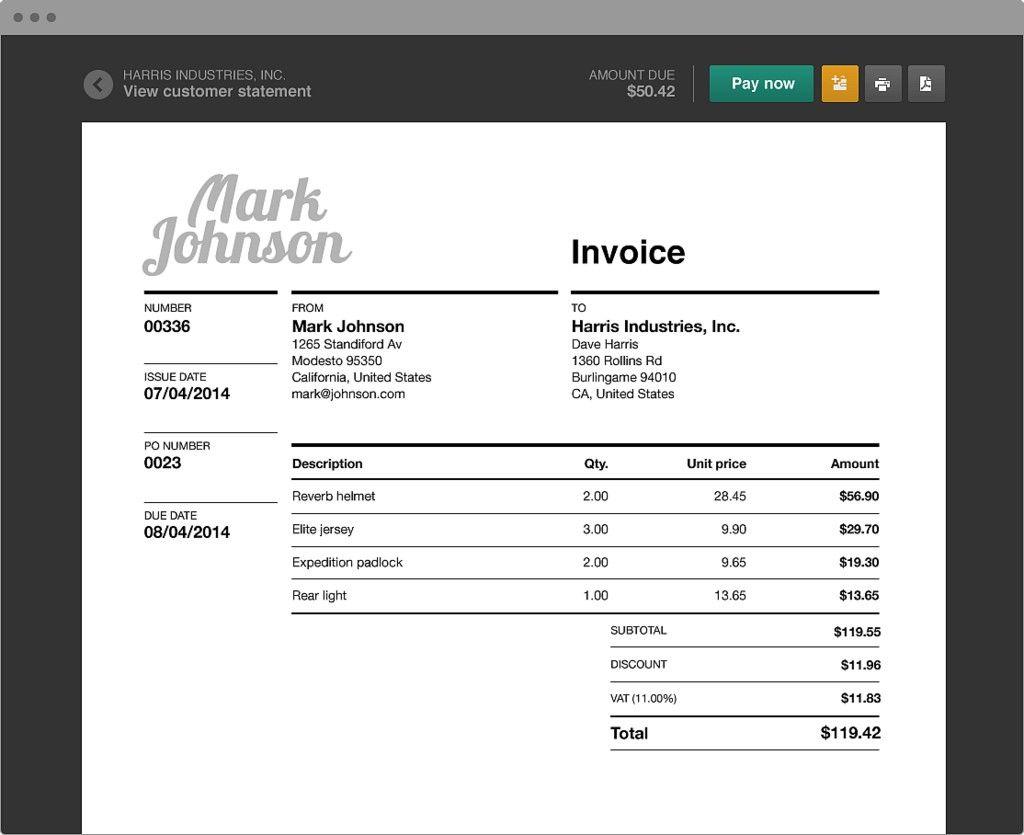
To ensure timely payments, it’s important to implement clear invoicing practices. Start by drafting professional invoices that include all the necessary details such as your business name, contact information, and the payment terms established prior to the project. Offering multiple payment options—like credit card, PayPal, or bank transfers—can enhance convenience for your clients, further expediting the payment process. Additionally, consider setting a specific due date on invoices, which will prompt clients to prioritize your payment within their accounts payable schedule.
Another effective strategy is to maintain open lines of communication. After sending an invoice, don’t hesitate to follow up promptly. A friendly reminder a few days before the invoice is due can keep your services top of mind. You might also want to create a schedule for invoicing that aligns with your workflow, enabling an efficient and consistent billing process. Here’s a simple example of an invoicing frequency schedule:
| Frequency | Ideal For |
|---|---|
| Weekly | Short-term projects |
| Monthly | Ongoing services |
| Upon Completion | One-off projects |
Leveraging Payment Platforms for Faster Transactions
In today’s fast-paced freelancing landscape, using advanced payment platforms can drastically reduce transaction times and improve cash flow. These platforms often feature seamless integration with various banking systems, allowing for faster account verification and fund transfers. By adopting services like PayPal, Stripe, or TransferWise, freelancers can benefit from real-time payments, eliminating the waiting periods traditionally associated with checks or bank transfers. The speed of these transactions enhances your ability to manage multiple projects efficiently and ensures that your financial flows align closely with your operational needs.
Moreover, leveraging mobile payment options can further facilitate quick transactions. Many clients prefer the convenience of using their smartphones to transfer funds instantly, which reduces barriers and speeds up the payment cycle. Consider adopting these strategies to optimize your financial management:
- Automate invoicing through payment platforms to ensure timely requests for payments.
- Utilize recurring payment options for ongoing clients, ensuring consistent cash flow.
- Offer discounts for faster payment methods to encourage clients to prioritize quick transactions.
Building Strong Client Relationships to Ensure Timely Payments
Establishing and nurturing client relationships is essential for freelancers looking to secure prompt payments. Regular communication fosters trust and credibility, making clients more inclined to prioritize your invoices. Consider implementing methods such as:
- Personalized Check-Ins: Touch base with your clients on a regular basis to show genuine interest in their needs and projects.
- Clear Deliverables: Define project milestones and deliverables upfront, ensuring clients understand the value they are receiving.
- Professional Invoicing: Use professional-looking invoices that clearly outline payment terms and methods to avoid any confusion.
- Appreciation: A simple thank-you note after project completion can go a long way in cementing a good relationship.
Creating an open dialog allows you to address any concerns proactively, thereby reducing payment delays. Additionally, establishing a system that tracks and prioritizes client payments can streamline your cash flow. You might consider a simple table to keep your clients organized:
| Client Name | Project | Payment Due Date | Status |
|---|---|---|---|
| Client A | Website Design | 07/15/2023 | Paid |
| Client B | Content Writing | 07/20/2023 | Pending |
| Client C | SEO Services | 07/25/2023 | Paid |
Insights and Conclusions
In the world of freelancing, where every moment counts and every dollar matters, understanding how to accelerate your cash flow can be a game-changer. By implementing the strategies outlined in this article, you not only enhance your financial stability but also gain the freedom to focus on what you love—your craft. As you sharpen your invoicing skills, communicate effectively with clients, and leverage technology, you’ll find that managing your finances can be as satisfying as completing a project on time. So go ahead, put these tips into action, and watch as your cash flow transforms into a steady stream, paving the way for your freelance success. Remember, in the gig economy, it’s not just about earning; it’s about earning smart. Happy freelancing!