

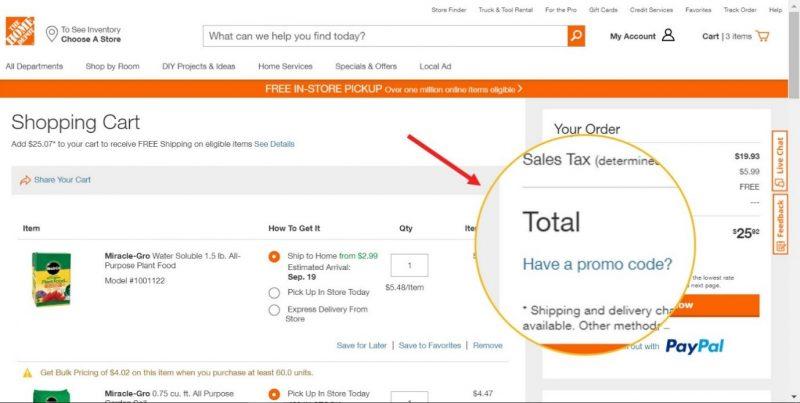
In the fast-paced world of e-commerce, where every second counts, the checkout process can make or break a sale. As online shoppers become increasingly impatient, a clunky or confusing checkout experience can lead to abandoned carts and lost revenue. In this article, we’ll delve into effective strategies for streamlining your e-commerce checkout, ensuring that your customers enjoy a seamless and efficient purchasing journey. From optimizing form fields to incorporating trust signals, we’ll share expert tips and best practices that not only enhance user experience but also boost conversion rates. Join us as we explore how you can transform your checkout process into a powerful tool for success in the competitive online marketplace.
Table of Contents
- Optimize Your Checkout Page Design for Maximum Usability
- Implement Simplified Payment Options to Enhance Customer Experience
- Utilize Trust Signals to Build Credibility and Reduce Abandonment
- Leverage Analytics to Continuously Improve Your Checkout Process
- In Conclusion
Optimize Your Checkout Page Design for Maximum Usability
Designing your checkout page with usability in mind is crucial to reducing cart abandonment and enhancing the customer experience. Focus on creating a clean, streamlined layout that guides users through the purchasing process. Eliminate distractions by removing unnecessary elements and using a simple color palette that highlights call-to-action buttons. Consider using a single-column layout to minimize the cognitive load, allowing shoppers to process information intuitively. Additionally, the use of clear, descriptive headings and labels can significantly improve navigation.
Incorporate essential features that cater to user needs, such as:
- Guest Checkout Options: Allow customers to make purchases without the hassle of account creation.
- Progress Indicators: Show shoppers how many steps are left in the checkout process to manage expectations.
- Autofill Forms: Use autofill for address and payment information to save time and reduce errors.
- Mobile Optimization: Ensure that your checkout page is fully responsive for users on smartphones and tablets.
| Feature | Benefit |
|---|---|
| Guest Checkout | Reduces friction for first-time buyers. |
| Progress Indicators | Improves transparency and reduces anxiety. |
| Autofill Forms | Saves time and minimizes data entry errors. |
| Mobile Optimization | Enhances accessibility for on-the-go shoppers. |
Implement Simplified Payment Options to Enhance Customer Experience
In today’s fast-paced digital landscape, offering simplified payment options is essential to improve customer satisfaction and drive conversions. Customers appreciate a seamless checkout experience that minimizes friction. To achieve this, consider integrating multiple payment methods that cater to diverse preferences. Popular options include:
- Credit and debit cards
- Digital wallets like PayPal, Apple Pay, and Google Pay
- Buy Now, Pay Later services
- Cryptocurrency options
Additionally, displaying security badges and trust signals during checkout can reassure customers about their transaction safety. Streamlining the steps required to complete a purchase not only enhances user experience but also reduces cart abandonment rates. Implementing features such as one-click checkout can further simplify the process, allowing repeat customers to make purchases with minimal effort. A well-structured checkout page might look like this:
| Step | Description |
|---|---|
| Select Payment Method | Choose from various options like credit card or digital wallet. |
| Enter Shipping Details | Fill in shipping information for delivery. |
| Review Order | Confirm items and total cost before completion. |
| Complete Transaction | Final step to authorize payment and receive confirmation. |
Utilize Trust Signals to Build Credibility and Reduce Abandonment
In the competitive landscape of e-commerce, incorporating trust signals is essential to cultivating a sense of security and confidence among your customers. Trust signals can take various forms, but their effectiveness lies in their visibility and relevance. Consider adding elements such as secure payment icons (e.g., SSL certification badges), customer reviews, and guarantee seals prominently on your checkout pages. These components can significantly influence a buyer’s perception and encourage them to complete their purchase rather than abandon their cart.
Additionally, showcasing authentic testimonials and user-generated content can further enhance credibility. Customers are more likely to trust fellow consumers; thus, featuring reviews directly on product pages, along with a clear presentation of your return policy, can effectively reduce barriers to purchase. Here are some specific trust signals to consider:
- Secure payment options – Indicate accepted payment methods that customers recognize and trust.
- Money-back guarantees – Highlight a clear and simple return process to reassure buyers.
- Customer service contact info – Make it easy for customers to reach out with questions or concerns.
- Social proof – Display social media mentions or follower counts to signify your brand’s popularity.
You’re not just selling a product; you’re also selling peace of mind. Implementing these trust signals can turn hesitant visitors into loyal customers. Below is a simple table that illustrates effective trust signals and their potential impact:
| Trust Signal | Impact on Customers |
|---|---|
| Secure Payment Icons | Increases confidence in transaction safety. |
| Customer Reviews | Builds trust through shared experiences. |
| Guarantee Seals | Reduces perceived risk of purchase. |
| Live Chat Support | Provides immediate assistance, enhancing comfort. |
Leverage Analytics to Continuously Improve Your Checkout Process
To enhance the user experience during the checkout process, it is crucial to harness the power of analytics effectively. By utilizing tools such as Google Analytics or specialized e-commerce analytics platforms, you can gain insights into customer behavior patterns. Consider analyzing metrics like cart abandonment rates, conversion rates, and time spent on checkout pages. These data points allow you to identify pain points and optimize the process. Regularly track and review these metrics to discover trends and make informed adjustments that cater to your customers’ needs.
Furthermore, segment your analysis to better understand different customer demographics and behaviors. Implement A/B testing to evaluate variations in your checkout process, comparing user engagement with different layouts or calls to action. Make use of a straightforward table to illustrate possible changes and their impacts:
| Checkout Variant | Conversion Rate | Cart Abandonment Rate |
|---|---|---|
| Original Layout | 65% | 25% |
| Streamlined Form | 75% | 15% |
| One-Page Checkout | 82% | 10% |
Utilizing this analysis, you can pinpoint which strategies yield the best results and refine your checkout process accordingly. Emphasizing customer feedback alongside these metrics can further enhance your understanding of user experience, ensuring your checkout system remains efficient and user-friendly.
In Conclusion
optimizing your e-commerce checkout process is not just a best practise; it’s essential for driving sales and enhancing customer satisfaction. By implementing the strategies outlined in this article—from simplifying the checkout layout to integrating various payment options—you can create a seamless experience that encourages customers to complete their purchases. Remember, each small adjustment can lead to significant improvements in conversion rates and overall customer loyalty.
As e-commerce continues to grow, staying ahead of the competition means continuously evaluating and refining your checkout process. Don’t underestimate the power of a streamlined checkout—it can be the difference between a sale and an abandoned cart. Test, gather feedback, and adapt your approach as needed to ensure that your checkout experience meets the evolving expectations of today’s consumers.
We hope you found these tips helpful and that they inspire you to take action in maximizing your e-commerce potential. For further insights and best practices, be sure to check out our other articles and resources. Here’s to your success in transforming your checkout process into a powerful tool for growth!