

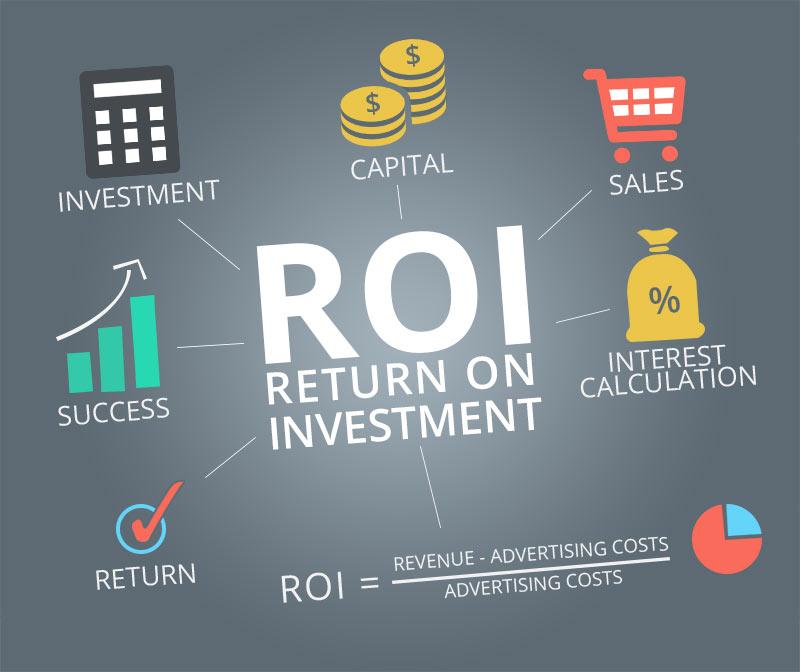
In today’s fast-paced business landscape, every marketing dollar counts. For many organizations, especially startups and small businesses, the challenge of maximizing marketing return on investment (ROI) while operating on a limited budget can feel daunting. However, effective marketing doesn’t always require hefty budgets; it demands creativity, strategy, and a keen understanding of your target audience. In this article, we will explore proven strategies that can help you amplify your marketing efforts and achieve impressive results without breaking the bank. Whether you’re looking to revamp your digital presence or enhance traditional channels, these actionable tips will equip you with the tools you need to make the most out of your marketing investments, driving growth and engagement without compromising your budget. Let’s dive into the world of budget-friendly marketing and discover how to turn limited resources into unlimited potential.
Table of Contents
- Understanding the Key Metrics for Marketing ROI Measurement
- Leveraging Cost-Effective Digital Marketing Channels
- Creating Engaging Content Without Breaking the Bank
- Harnessing Data Analytics for Strategic Decision Making
- To Wrap It Up
Understanding the Key Metrics for Marketing ROI Measurement
To effectively measure the return on investment (ROI) from your marketing efforts, it is crucial to track several key metrics that provide insights into performance and efficiency. Consider focusing on the following essential indicators:
- Customer Acquisition Cost (CAC): The total cost associated with acquiring a new customer, including marketing expenses. Lowering CAC enhances ROI sustainability.
- Conversion Rate: The percentage of visitors who complete a desired action, like making a purchase. This metric demonstrates the effectiveness of your marketing funnel.
- Lifetime Value (LTV): The total revenue expected from a customer over the entire duration of their relationship with your brand. A higher LTV suggests better long-term profitability.
- Return on Advertising Spend (ROAS): A measure of revenue generated for every dollar spent on advertising. A valuable way to assess specific campaign effectiveness.
By systematically analyzing these metrics, marketing teams can make data-driven decisions that align with budget constraints while maximizing value. Additionally, implementing a tracking mechanism is vital for accurate ROI calculations:
| Metric | Formula | Interpretation |
|---|---|---|
| Customer Acquisition Cost | Total Marketing Spend / Number of New Customers | Lower is better; indicates marketing efficiency |
| Conversion Rate | (Total Conversions / Total Visitors) * 100 | Higher is better; shows effectiveness of campaigns |
| Lifetime Value | Avg. Purchase Value x Purchase Frequency x Customer Lifespan | Higher is better; reflects customer loyalty and profitability |
| ROAS | Total Revenue from Ads / Total Ad Spend | Should exceed 1; indicates positive campaign performance |
Leveraging Cost-Effective Digital Marketing Channels
In today’s competitive landscape, finding cost-effective digital marketing channels is essential for maximizing your return on investment without stretching your budget. Utilizing social media platforms such as Facebook, Instagram, and Twitter allows businesses to reach a targeted audience through organic and paid methods. Engaging content such as videos, infographics, and user-generated posts can drive brand awareness and foster community. Consider incorporating email marketing into your strategy; it remains one of the highest-performing channels, providing a direct line of communication with potential and existing customers, while being relatively low-cost.
Another valuable approach is to leverage content marketing, which can include blogs, podcasts, and webinars. These forms of content not only help establish your authority within your industry but also attract organic traffic through SEO. Exploring collaboration with micro-influencers can also provide a cost-efficient way to reach niche markets without the hefty budgets typically reserved for more prominent personalities. To streamline your efforts, consider the following tactics:
- Utilize local SEO to attract nearby customers.
- Implement retargeting ads to re-engage visitors who didn’t convert.
- Participate in online forums related to your industry for brand visibility.
Creating Engaging Content Without Breaking the Bank
Engaging content doesn’t always require a hefty budget; in fact, many impactful strategies can be implemented with little to no financial investment. Start by leveraging user-generated content; encourage your audience to share their experiences with your products or services through social media posts or reviews. This not only increases engagement but also builds a sense of community around your brand. Additionally, consider hosting virtual events or webinars that educate your audience. This allows you to showcase your expertise without the costs associated with physical events. Here are some creative and cost-effective content ideas:
- Blog posts that address trending topics or frequently asked questions.
- Social media challenges that encourage participation and shareability.
- Collaborative content with influencers or other brands within your niche.
Another budget-friendly approach is to repurpose existing content. Take previously successful articles, videos, or infographics and refresh them with updated information or a new perspective. This not only saves time but also allows you to reach new audiences who may have missed the initial content. Consider the following strategies for maximizing your existing resources:
| Content Type | Repurposing Ideas |
|---|---|
| Blog Posts | Turn them into podcasts or video scripts. |
| Webinars | Create short clips for social media. |
| Infographics | Use them in slide presentations or as social media posts. |
Harnessing Data Analytics for Strategic Decision Making
In today’s data-driven landscape, the ability to leverage analytics is paramount for marketers striving to maximize their return on investment (ROI) while adhering to budget constraints. By employing advanced data analytics, businesses can extract valuable insights from customer interactions, online behavior, and market trends. This approach enables marketers to identify high-performing channels, assess customer preferences, and make informed adjustments to their strategies. Leveraging these insights effectively can lead to enhanced targeting and improved engagement, ultimately driving a greater return on every dollar spent.
To implement a data analytics strategy that effectively stretches marketing budgets, consider the following essential tactics:
- Segmentation: Use data to segment your audience based on behaviors and demographics, allowing personalized campaigns.
- Predictive Analytics: Implement tools that forecast future customer behaviors, helping to optimize expenditure in high-potential areas.
- A/B Testing: Regularly test different marketing messages and platforms to identify the most effective methods without overspending.
- Customer Lifetime Value (CLV) Analysis: Focus on retaining high-CLV customers, ensuring long-term profitability.
| Analytics Tool | Purpose | Cost-Effectiveness |
|---|---|---|
| Google Analytics | Website traffic analysis | Free with premium options |
| SEMrush | SEO and competitor analysis | Affordable subscription model |
| HubSpot | Marketing automation | Free tools available |
To Wrap It Up
maximizing your marketing ROI on a budget doesn’t have to feel like an uphill battle. By implementing the strategies discussed—prioritizing data-driven decisions, leveraging the power of social media, adopting cost-effective content marketing, and focusing on customer relationships—you can achieve impressive results without draining your resources. Remember, the key lies in being smart and strategic with your marketing efforts. Monitor your campaigns, adapt based on performance, and always keep your audience at the forefront of your initiatives. With dedication and creativity, you can turn your budgets into impactful outcomes that drive your business forward. Thank you for reading, and here’s to your marketing success!