

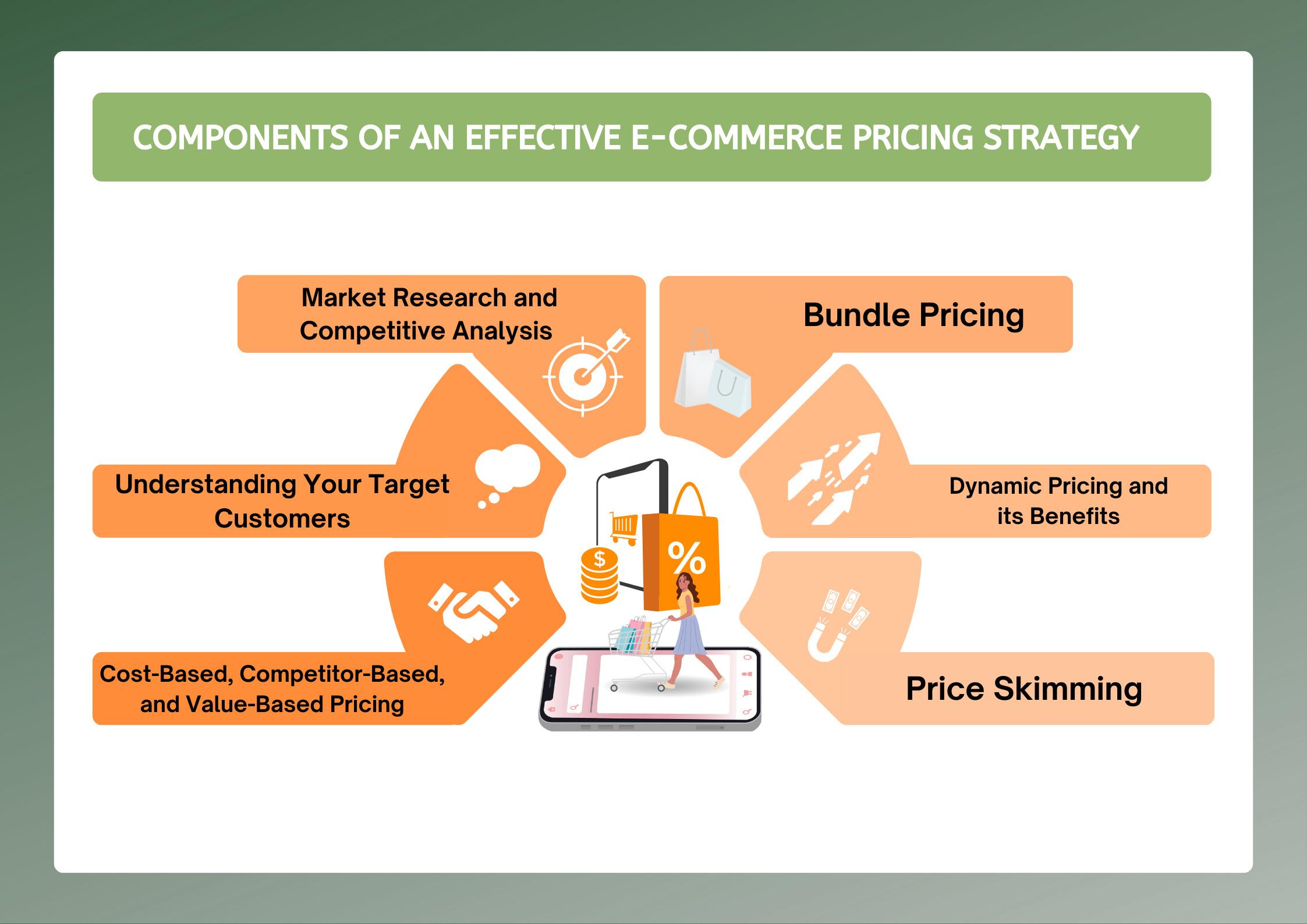
In the fast-paced world of e-commerce, where competition is just a click away, pricing strategy emerges as one of the most critical elements for success. Setting the right price is not just about covering costs; it’s about finding that sweet spot where perceived value meets customer expectations while driving maximum profit. As digital marketplaces evolve and consumer behaviors shift, mastering your pricing strategy has never been more essential. This article will explore proven techniques and innovative approaches that can empower you to optimize your pricing, enhance your competitive edge, and ultimately boost your bottom line. Whether you’re a seasoned entrepreneur or just starting in the e-commerce landscape, understanding the nuances of pricing can transform your business and unlock new avenues for growth. Join us as we dive into the strategies that can help you navigate the complexities of pricing, ensuring your offerings not only attract customers but also drive profitability.
Table of Contents
- Understanding the Psychology of Pricing to Influence Buyer Behavior
- Implementing Dynamic Pricing Techniques for Enhanced Competitiveness
- Utilizing Data Analytics to Optimize Your Pricing Strategy
- Best Practices for Communicating Value to Justify Price Points
- To Wrap It Up
Understanding the Psychology of Pricing to Influence Buyer Behavior
Pricing is not merely a transactional decision; it is a psychological trigger that influences consumer perceptions and purchase behaviors. When setting prices, it’s essential to consider how potential buyers interpret value. Factors such as perceived quality, scarcity, and social proof can significantly impact their decision-making. By utilizing strategies like charm pricing (e.g., pricing items at $9.99 instead of $10) or anchoring (showing the original price alongside a sale price), you can create an illusion of value that nudges consumers toward making a purchase. Understanding these psychological principles enables you to manipulate pricing structures to not only appeal to your target audience but also enhance their sense of urgency and decision satisfaction.
Moreover, exploring various pricing models can further refine your strategy. Consider implementing the following techniques to optimize pricing:
- Tiered Pricing: Different price points for different levels of service or product features, catering to diverse customer segments.
- Dynamic Pricing: Adjusting prices based on demand, competitor pricing, or even time of day can help maximize profits without alienating customers.
- Bundle Pricing: Offering products together at a discounted rate encourages additional purchases while enhancing perceived value.
By systematically experimenting with these approaches and analyzing consumer reactions, you can refine your pricing strategies to not only attract more customers but also boost overall profitability.
Implementing Dynamic Pricing Techniques for Enhanced Competitiveness
Dynamic pricing strategies allow e-commerce businesses to remain agile and responsive to market conditions, enhancing overall competitiveness. These techniques can be implemented through various approaches, ensuring that your pricing reflects real-time demand and customer behavior. Consider the following methods for effective dynamic pricing:
- Algorithmic Pricing: Utilizing advanced algorithms, businesses can analyze market trends, competitor pricing, and customer data to set optimal prices that maximize profit margins.
- Time-Based Pricing: Fluctuating prices based on time, such as offering lower prices during off-peak hours, can help increase sales volume and improve inventory turnover.
- Competitive Analysis: Regularly monitoring competitors’ pricing strategies allows businesses to adjust their prices accordingly, maintaining a competitive edge without sacrificing profit.
Moreover, leveraging technology and data analytics is crucial for successful implementation. Employing tools that track buyer behavior and sales patterns can provide invaluable insights into when and how to adjust prices. A simple table to summarize key dynamic pricing factors might look like this:
| Factor | Importance |
|---|---|
| Market Demand | High |
| Competitor Prices | Medium |
| Time of Day | Low to Medium |
| Customer Behavior | High |
By effectively implementing these dynamic pricing techniques, your e-commerce platform can not only boost profitability but also enhance overall customer satisfaction, as shoppers find value in flexible and fair pricing.
Utilizing Data Analytics to Optimize Your Pricing Strategy
In the highly competitive realm of e-commerce, leveraging data analytics can transform your pricing strategy from guesswork into a finely tuned profit-maximizing engine. By examining customer behavior, market trends, and competitor pricing, businesses can harness insights that lead to strategic pricing decisions. Key elements to focus on include:
- Customer Segmentation: Analyze purchasing patterns to tailor pricing based on different customer segments.
- Dynamically Adjust Prices: Utilize real-time data to modify prices in response to market conditions, demand fluctuations, and inventory levels.
- Competitor Monitoring: Regularly assess competitors’ pricing strategies to stay competitive without eroding profit margins.
Implementing a robust analytics system can help you discover the optimal price point that maximizes sales while maintaining customer satisfaction. Consider utilizing tools that provide insights into price elasticity and customer demand forecasting. Here’s a quick overview of key metrics to track:
| Metric | Description |
|---|---|
| Conversion Rate | Percentage of visitors who make a purchase. |
| Average Order Value | Average amount spent per transaction. |
| Customer Lifetime Value | Projected revenue from a customer over the duration of their relationship with your brand. |
By regularly analyzing these metrics, you can fine-tune your pricing strategy to not only compete but thrive in the digital marketplace. Embracing data-driven decisions can position your e-commerce business for sustained growth and profitability.
Best Practices for Communicating Value to Justify Price Points
Effectively communicating the value of your products is essential to justifying your price points and driving sales in your e-commerce business. Start by highlighting unique features that set your products apart from the competition. Consider showcasing aspects such as high-quality materials, innovative design, or exclusive technology. Use clear, engaging visuals to complement your messaging, as eye-catching images can significantly enhance perceived value. When presenting your products, employ testimonials or case studies that demonstrate real-world benefits, helping potential buyers understand the tangible impact of their investment.
Another effective approach is to utilize comparison tables that succinctly outline what customers receive for different price tiers. This not only clarifies value but also encourages upselling by showing what additional benefits buyers can gain at higher price points. Be sure to include the following elements in your table for better clarity:
| Price Tier | Features Included | Value Proposition |
|---|---|---|
| Basic | Standard Material, Basic Support | Ideal for first-time buyers |
| Pro | High-Quality Material, Extended Warranty | Best value for serious users |
| Premium | Exclusive Design, Full Access to Consultation | Ultimate experience for enthusiasts |
By utilizing these strategies, you can create a compelling narrative around your pricing, making it easier for customers to rationalize their purchases while fostering loyalty and trust in your brand.
To Wrap It Up
Conclusion
In the competitive realm of e-commerce, your pricing strategy can either be your strongest ally or your most significant hurdle. By understanding your costs, analyzing market trends, and leveraging data analytics, you can create a dynamic pricing strategy that not only attracts customers but also maximizes your profits. Remember, success in e-commerce is not solely about setting low prices; it’s about perceived value, strategic positioning, and continuous adaptation to market conditions.
As you embark on this journey to master your e-commerce pricing, keep testing and iterating your strategies. Stay informed about industry shifts and be responsive to your customer base’s evolving needs. With a well-structured pricing model in place, you’ll not only boost your bottom line but also cultivate a loyal customer base that values what you have to offer.
Thank you for joining us in exploring the intricacies of e-commerce pricing. Here’s to elevating your business and achieving the profitability you deserve! If you have any questions or insights about pricing strategies, feel free to share them in the comments below. Happy selling!