

Introduction:
In today’s financial landscape, the pursuit of passive income has become more crucial than ever. Among various investment strategies, dividend stocks stand out as a powerful vehicle for generating consistent income while also building wealth over time. For investors, whether you’re a seasoned veteran or just starting your financial journey, understanding how to effectively navigate the world of dividend stocks can unlock opportunities for financial freedom. This guide aims to provide you with the insights, strategies, and tools needed to master dividend investing, helping you to create a robust portfolio that not only earns but grows over time. We will delve into the fundamentals of dividend stocks, explore key metrics for evaluating potential investments, and share tips for managing your portfolio to optimize returns. Join us as we embark on a journey towards intelligent investing and passive income success through the world of dividend stocks.
Table of Contents
- Understanding Dividend Stocks and Their Importance in Wealth Building
- Evaluating Dividend Yields: Finding the Right Balance Between Risk and Reward
- Strategies for Diversifying Your Dividend Portfolio for Sustainable Income
- Essential Tools and Resources to Monitor and Manage Your Dividend Investments
- In Summary
Understanding Dividend Stocks and Their Importance in Wealth Building
Dividend stocks are a powerful tool in the arsenal of an investor seeking to build wealth over time. These stocks represent shares in a company that return a portion of their profits to shareholders through regular cash payments. This not only provides a steady stream of income, but it also offers the potential for capital appreciation, combining both immediate returns and long-term growth. Understanding how these stocks function can empower investors to make informed decisions that fit their financial goals. Key benefits of dividend stocks include:
- Passive Income: Regular dividend payments provide a source of income without the need to sell shares.
- Inflation Hedge: As companies grow and increase their dividends, investors can maintain their purchasing power.
- Financial Discipline: Companies that regularly pay dividends often demonstrate a commitment to returning value to shareholders, reflecting stable management and a solid operating history.
When assessing dividend stocks for investment, it is essential to consider metrics such as the dividend yield, which indicates how much a company pays in dividends each year relative to its stock price. Additionally, the payout ratio helps investors understand the proportion of earnings that are being distributed as dividends, giving insight into the sustainability of these payments. Below is a simplistic table illustrating key metrics for three notable dividend-paying stocks:
| Company | Dividend Yield (%) | Payout Ratio (%) |
|---|---|---|
| Company A | 4.5 | 60 |
| Company B | 3.8 | 50 |
| Company C | 2.9 | 40 |
Evaluating Dividend Yields: Finding the Right Balance Between Risk and Reward
When evaluating dividend yields, it’s essential to understand that higher yields come with their own set of risks. Companies that offer elevated dividend payouts may be financially strained or could be experiencing a temporary spike in yield due to a declining stock price. Therefore, investors should conduct thorough research to look beyond the surface. Key factors to consider include:
- Dividend History: Analyze past dividend payments and stability over time.
- Payout Ratio: A low payout ratio often indicates financial health, suggesting that the company can sustain dividend payments.
- Industry Standards: Compare dividend yields with industry averages to assess competitiveness.
It’s also critical to find the right balance between risk and reward. High yields can be alluring, but they often reflect underlying issues within the company. In contrast, more established firms may provide lower yields but come with a greater sense of stability and the potential for consistent growth. A strategic approach could involve selecting a mix of dividend stocks with varying yields to tailor your investment portfolio according to your risk appetite. Here’s a table summarizing different types of dividend stocks based on yield and stability:
| Type of Dividend Stock | Yield (%) | Risk Level |
|---|---|---|
| High Yield Stocks | 6 – 10 | High |
| Moderate Yield Stocks | 3 – 5 | Medium |
| Growth Dividend Stocks | 1 – 3 | Low |
Strategies for Diversifying Your Dividend Portfolio for Sustainable Income
To build a resilient dividend portfolio, it is crucial to consider a mix of sectors, as this will help mitigate risks associated with market volatility. By diversifying across different industries, you can ensure that underperformance in one sector may be balanced by gains in another. Some of the sectors to explore include:
- Consumer Staples – Companies that produce essential goods typically provide stable dividends.
- Utilities – These companies often have predictable cash flows, making them reliable dividend payers.
- Technology – Though more volatile, many tech firms are now offering attractive dividends as they grow.
- Healthcare – With steady demand, healthcare stocks can provide strong dividend yields.
Moreover, incorporating dividend-paying stocks from various geographical regions can enhance your portfolio’s stability. International diversification not only exposes you to potentially lucrative markets but also reduces dependence on domestic economic conditions. Here is an example of how you might structure your dividend portfolio with an international outlook:
| Region | Industry | Dividend Yield |
|---|---|---|
| North America | Consumer Goods | 3.5% |
| Europe | Utilities | 4.2% |
| Asia | Technology | 2.8% |
| South America | Healthcare | 5.0% |
Essential Tools and Resources to Monitor and Manage Your Dividend Investments
To effectively monitor and manage your dividend investments, you need to leverage some essential tools and resources that can provide real-time data and insights. One of the most valuable resources is a reliable stock screening tool which allows you to filter stocks based on criteria like dividend yield, payout ratio, and growth rate. Additionally, incorporating financial news platforms can help you stay updated on market trends and company performance. Other recommended resources include:
- Dividend Reinvestment Plans (DRIPs): Platforms that help automate reinvestments to maximize your compounding returns.
- Investment Apps: Mobile applications that provide notifications and easy tracking of your portfolio.
- Financial Blogs and Podcasts: Valuable content from seasoned investors sharing strategies, tips, and analyses.
- Online Brokerage Tools: Advanced features for tracking dividend payouts and creating alerts for changes in dividend announcements.
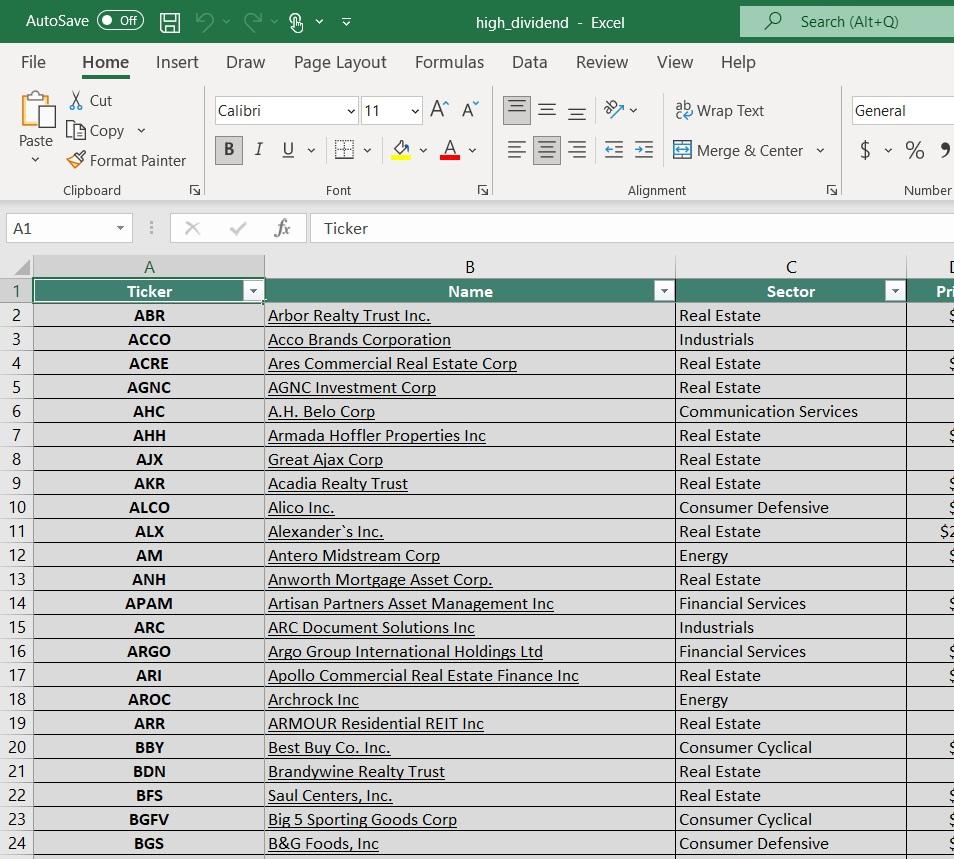
For a more strategic approach, consider utilizing dividend tracking spreadsheets. These can help you visualize your monthly income, monitor payment dates, and calculate your annual dividend income with ease. Here’s a simple template format that you can follow:
| Stock Name | Dividend Yield | Annual Dividend | Payout Date |
|---|---|---|---|
| Company A | 4.5% | $2.00 | March 15 |
| Company B | 3.2% | $1.50 | June 1 |
| Company C | 5.0% | $3.00 | September 10 |
With these tools and resources at your disposal, you will be better equipped to efficiently oversee your dividend investments and make informed decisions that align with your financial goals.
In Summary
mastering dividend stocks is not just about selecting the right companies; it’s about adopting a mindset geared towards long-term financial growth and stability. By embracing the principles outlined in this guide, you are well on your way to creating a reliable source of passive income that can enhance your financial journey.
Remember, the key to success lies in diligent research, disciplined investing, and a well-structured portfolio that aligns with your financial goals. Whether you’re a seasoned investor or just starting out, the world of dividend stocks offers endless opportunities for wealth accumulation and financial independence.
As you navigate your investment journey, stay patient and informed, and don’t hesitate to revisit the fundamentals of dividend investing as market conditions evolve. With the right strategies, you can make your money work for you, ensuring that you reap the benefits of your investments for years to come.
Thank you for joining us on this exploration of dividend stocks. We hope you found this guide invaluable as you embark on your path to passive income. Happy investing!