

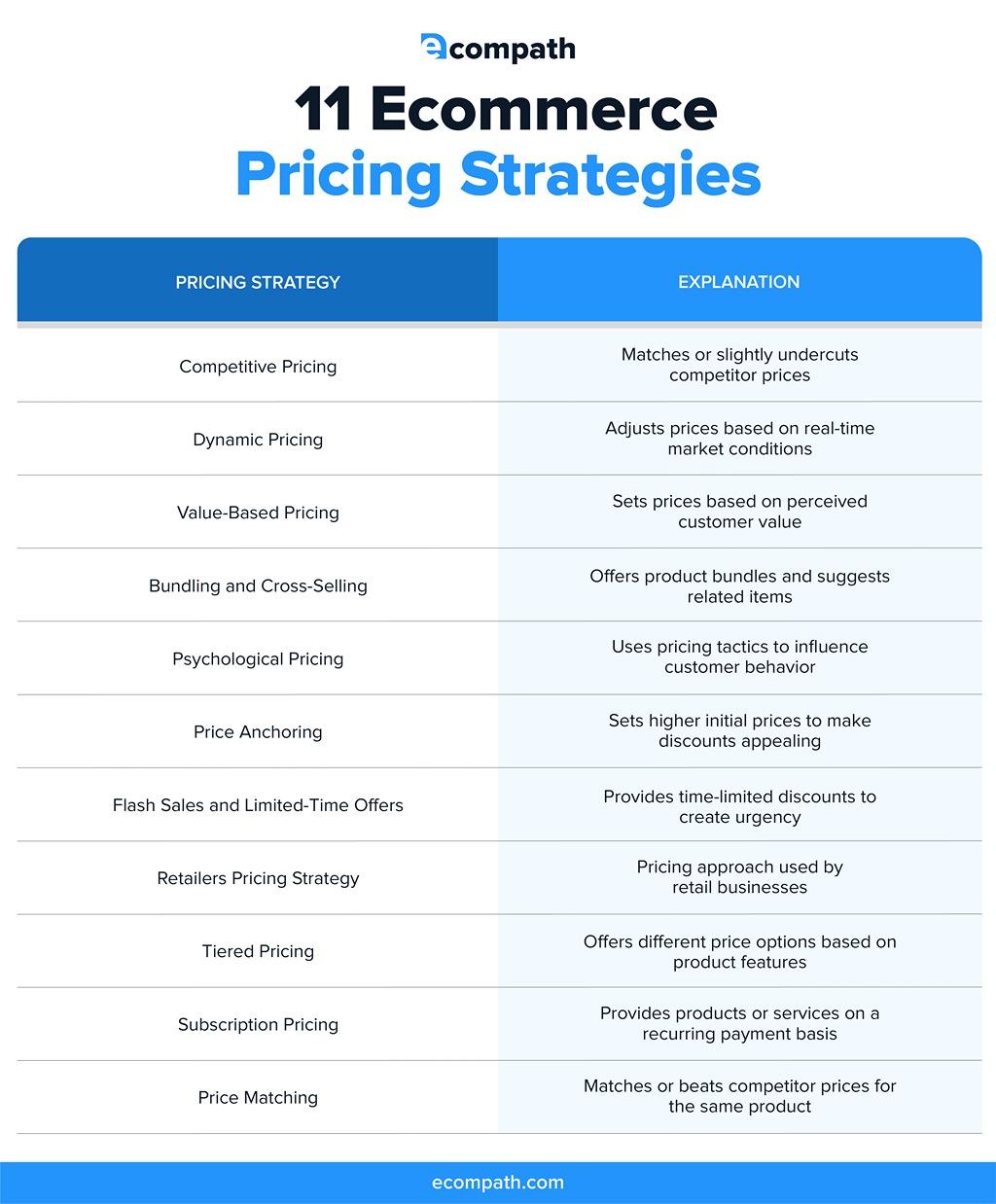
In the rapidly evolving landscape of e-commerce, where competition is fierce and consumer choices are abundant, mastering your pricing strategy is not just an option—it’s a necessity. The right pricing can be the defining factor that elevates your online store from obscurity to prominence, driving sales and enhancing customer loyalty. This article delves into the intricacies of crafting an effective pricing strategy, exploring various approaches, the psychology behind consumer behaviour, and the tools you can leverage to ensure your prices not only attract but also retain customers. Whether you’re a seasoned e-commerce entrepreneur or just starting out, understanding the nuances of pricing could be the key to unlocking your business’s full potential. Join us as we navigate the art and science of pricing in the digital marketplace, equipping you with the insights needed to thrive in this competitive arena.
Table of Contents
- Understanding Market Dynamics and Consumer Behavior
- Exploring Different Pricing Models to Enhance Profitability
- Implementing Psychological Pricing Strategies for Increased Sales
- Analyzing Competitor Pricing to Stay Ahead in the Market
- Future Outlook
Understanding Market Dynamics and Consumer Behavior
To effectively navigate the competitive landscape of e-commerce, it’s essential to recognize the delicate interplay between market dynamics and consumer behaviour. This involves understanding the factors that drive demand and influence purchasing decisions. Key elements include:
- Market Trends: Stay informed about emerging trends that are shaping consumer preferences.
- Seasonality: Identify seasonal fluctuations that might affect the purchasing patterns in your niche.
- Competitive Landscape: Analyze competitors to gauge their pricing strategies and customer engagement tactics.
- Customer Feedback: Leverage reviews and feedback to understand consumer sentiment and adjust offerings accordingly.
Understanding these factors allows businesses to anticipate and respond to shifts in consumer behaviour effectively. By employing a data-driven approach, e-commerce professionals can refine their pricing strategies to align with market expectations. Consider implementing tools such as:
| Tool | Purpose |
|---|---|
| Google Trends | Analyze search trends and consumer interests over time. |
| SurveyMonkey | Gather direct consumer feedback on preferences and pricing. |
| SEMrush | Examine competitor pricing and marketing strategies. |
By utilizing these tools, e-commerce businesses can gain valuable insights that empower them to craft a pricing strategy that not only stands out but also resonates with their target audience.
Exploring Different Pricing Models to Enhance Profitability
Pricing models are crucial in determining how your e-commerce business can enhance profitability and remain competitive in the ever-evolving marketplace. By examining various approaches, you can uncover which pricing strategy aligns best with your business goals. Here are some popular pricing models to consider:
- Cost-Plus Pricing: This straightforward method involves adding a standard markup to the cost of producing goods. While simple, it may not always align with market demand.
- Value-Based Pricing: Set prices based on the perceived value your products deliver to customers, rather than solely on cost. This can lead to higher profit margins if executed well.
- Dynamic Pricing: Adapt your pricing in real time based on demand, competition, and customer behaviour. This strategy is prevalent in industries like travel and events.
- Subscription Pricing: Implement a recurring price model for access to products or services, thereby ensuring a steady revenue stream.
To better illustrate how different pricing strategies can impact profitability, consider the following table showcasing hypothetical profit margins:
| Pricing Model | Estimated Profit Margin |
|---|---|
| Cost-Plus Pricing | 20% |
| Value-Based Pricing | 35% |
| Dynamic Pricing | 25% |
| Subscription Pricing | 30% |
Once you identify a suitable pricing model, testing and iterating based on customer feedback and market trends will be essential. Regularly reviewing your pricing strategy ensures that it adapts to changing consumer preferences and helps maintain a competitive edge.
Implementing Psychological Pricing Strategies for Increased Sales
Psychological pricing strategies can play a crucial role in enhancing your e-commerce sales. By tailoring your prices to appeal to consumers’ emotions and perceptions, you can create a sense of value that encourages purchases. Incorporate techniques such as charm pricing, where prices end in .99 or .95, to make items appear less expensive than they actually are. Consider using anchoring, where you display a higher original price next to a discounted price, highlighting the savings and making the offer more attractive. Additionally, offering bundled pricing for related products not only boosts the perceived value but also enhances the overall shopping experience.
Another effective approach is to leverage scarcity and urgency in your pricing strategy. By implementing limited-time offers or exclusive discounts, you create a fear of missing out (FOMO) that can drive customers to act quickly. Here are some quick tips to keep in mind:
- Highlight discounts clearly: Use striking visuals to make promotions stand out.
- Utilize tiered pricing: Encourage bulk purchases by discounting larger quantities.
- Implement loyalty discounts: Reward repeat customers with special pricing to increase retention.
| Strategy | Effectiveness | Example |
|---|---|---|
| Charm Pricing | High | $19.99 vs. $20.00 |
| Anchoring | Moderate | Original: $50.00, Sale: $30.00 |
| Scarcity/Urgency | Very High | Only 3 items left! |
Analyzing Competitor Pricing to Stay Ahead in the Market
Understanding your competitors’ pricing strategies is essential for maintaining a competitive edge in the e-commerce landscape. To effectively analyze their pricing, consider these key aspects:
- Price Points: Identify the price ranges your competitors are using for similar products.
- Discount Strategies: Examine how often and how deeply they discount items.
- Bundling Offers: Look for any packages or deals that make their products more appealing.
By gathering this data, you can gain insights into market trends and consumer behaviors. For a structured approach, use a comparison table:
| Competitor | Product Price | Discount (%) | Bundle Offers |
|---|---|---|---|
| Competitor A | $49.99 | 10% | Buy 2, get 1 free |
| Competitor B | $45.00 | 15% | 20% off on orders over $100 |
| Competitor C | $50.00 | 5% | Free shipping on orders over $75 |
This table helps visualize how your pricing compares while allowing you to strategize effectively. By utilizing these insights, you can adjust your own pricing model to not only reflect market conditions but also to emphasize your unique value proposition.
Future Outlook
mastering e-commerce is not just about having a great product or an attractive online store; it’s also about strategically crafting your pricing strategy to drive sales and foster customer loyalty. As we’ve discussed, understanding your market, knowing your costs, and keeping an eye on your competitors are essential steps to finding the sweet spot for your pricing.
The tools and tactics we’ve explored—such as dynamic pricing, discount strategies, and psychological pricing techniques—can empower you to create a pricing model that not only maximizes profits but also resonates with your target audience. Remember, pricing is a delicate balance of art and science.
As you refine your approach, stay mindful of your customers’ perceptions and be ready to adapt to changing market conditions. The landscape of e-commerce is ever-evolving, and a robust pricing strategy will serve as your guiding compass to navigate these changes effectively.
Thank you for joining us on this journey to mastering your e-commerce pricing strategy. We encourage you to experiment, analyze, and iterate based on your unique business needs. Success is a continuous journey—so keep pushing the envelope and striving for excellence. Happy selling!