

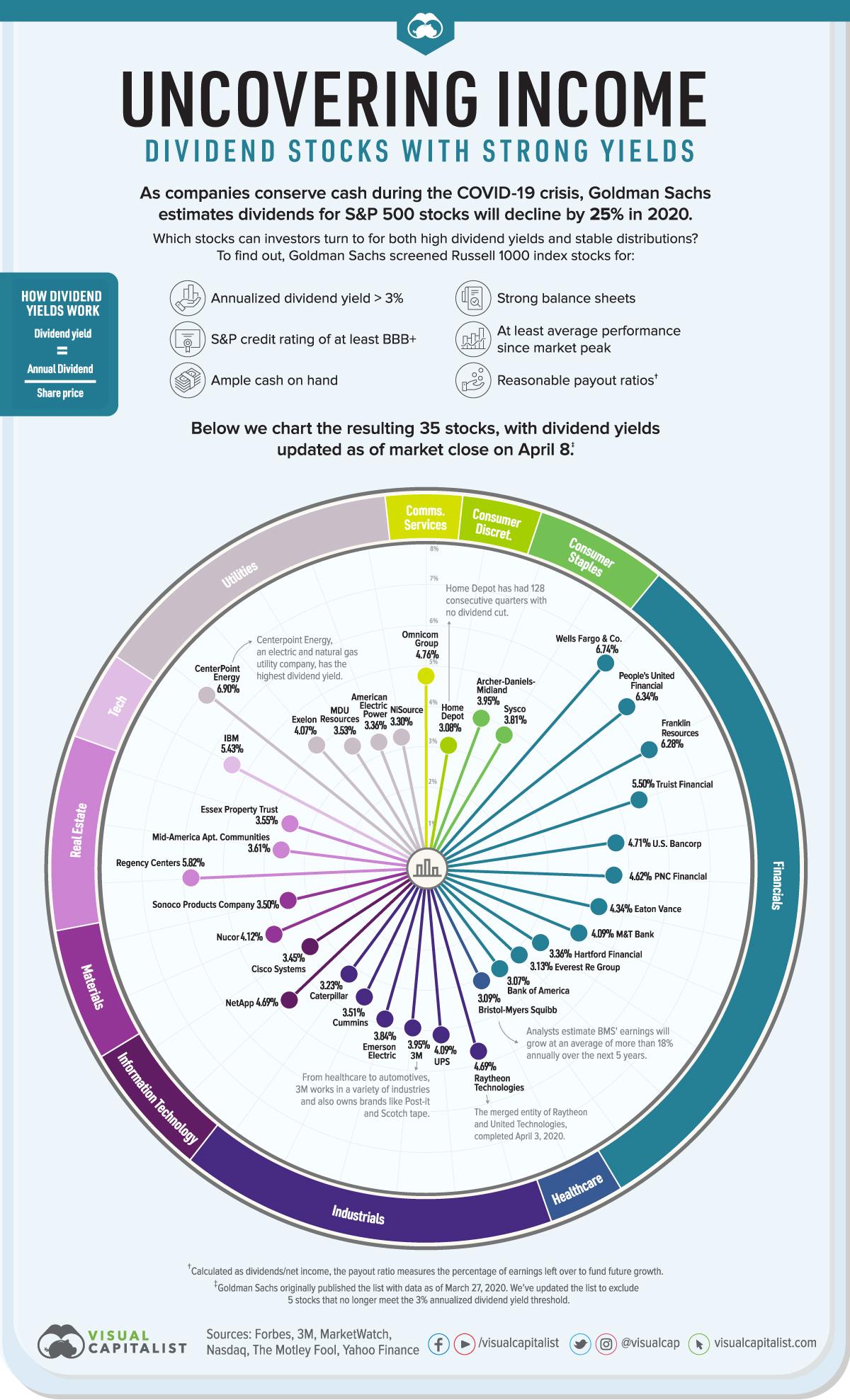
In today’s fast-paced financial landscape, the quest for passive income has never been more relevant. Whether you’re looking to supplement your salary, achieve financial independence, or simply make your money work harder for you, dividend stocks offer a promising avenue for investors. Unlike other forms of investments that demand constant monitoring and active management, dividend stocks provide a unique combination of stability and income potential, allowing you to potentially reap the rewards without the daily grind. In this guide, we’ll delve into the essentials of mastering passive income through dividend stocks—exploring what they are, how to choose the right ones, and strategies for building a robust portfolio. Whether you’re a seasoned investor or just starting out, this article aims to equip you with the knowledge and insights you need to harness the power of dividend investing and set the stage for a financially secure future. Let’s embark on this journey towards financial freedom together!
Table of Contents
- Understanding Dividend Stocks and Their Appeal
- Key Strategies for Selecting High-Quality Dividend Investments
- Building a Diversified Dividend Portfolio for Steady Cash Flow
- Monitoring and Growing Your Dividend Income Over Time
- In Conclusion
Understanding Dividend Stocks and Their Appeal
Dividend stocks represent an attractive investment option for those looking to generate passive income while potentially benefiting from capital appreciation. These stocks are shares in companies that distribute a portion of their earnings back to shareholders in the form of dividends, usually on a quarterly basis. Investing in dividend-paying stocks can provide a reliable income stream, which is particularly appealing for retirees or individuals seeking supplementary income without the need to sell off their equity holdings. The allure of steady cash flows, combined with the possibility of stock price increases, makes these investments compelling for both new and seasoned investors.
When evaluating dividend stocks, it is essential to consider several key factors that can significantly impact their overall appeal and performance. The dividend yield is a crucial metric, calculated by dividing the annual dividend payment by the stock price. A higher yield may signal an attractive investment, but it is equally important to assess the dividend payout ratio, which reflects the proportion of earnings paid as dividends. Investors should also pay attention to the company’s dividend history, consistency, and the overall financial health of the business, which can provide insights into its ability to maintain or increase distributions over time.
| Key Metrics | What to Consider |
|---|---|
| Dividend Yield | Assess the ratio of dividend payouts to stock price. |
| Payout Ratio | Understand how much of earnings are returned to shareholders. |
| Dividend History | Look for a track record of consistent or increasing dividends. |
| Company Financials | Evaluate overall profitability and cash flow strength. |
Key Strategies for Selecting High-Quality Dividend Investments
Choosing high-quality dividend investments is crucial for generating a sustainable passive income. Begin by analyzing a company’s dividend history to identify its track record in rewarding shareholders. Look for organizations that have consistently increased their dividends over several years, preferably those with a history of sustaining payments through various economic cycles. Additionally, evaluate the dividend payout ratio, which indicates how much of the company’s earnings are distributed as dividends. A lower ratio often signals more room for growth and stability, meaning dividends are less likely to be cut during downturns.
Another essential factor to consider is the company’s overall financial health. Examine key metrics, such as earnings growth, debt levels, and cash flow. A strong cash flow indicates that the company has ample funds to cover its dividend obligations. Furthermore, examine industry trends and competition to ensure the business remains viable. Diversifying your portfolio by including stocks from different sectors can help mitigate risks while maximizing returns. The following table summarizes the key aspects to focus on when assessing dividend stocks:
| Criteria | Focus Area |
|---|---|
| Dividend History | Track record of increases |
| Payout Ratio | Percentage of earnings paid out |
| Financial Health | Cash flow, earnings growth, debt levels |
| Industry Trends | Market position and competition |
| Portfolio Diversity | Inclusion of multiple sectors |
Building a Diversified Dividend Portfolio for Steady Cash Flow
Creating a diversified dividend portfolio is essential for anyone looking to generate steady cash flow over time. To start, consider including a variety of sectors and industries to mitigate risks associated with market fluctuations. High-yield dividend stocks from established companies, such as utilities and consumer staples, can provide stability. Additionally, aiming for a mix of growth-oriented stocks along with reliable dividend payers allows you to capture both income and capital appreciation. Keeping an eye on companies with a strong history of dividend growth can provide a buffer against inflation and market volatility, ensuring your cash flow remains robust.
For an effective allocation, here are some categories to consider while building your portfolio:
- Utilities: Offer steady dividends and are less susceptible to economic downturns.
- Consumer Discretionary: Companies in this sector often perform well in a growing economy.
- Technology: Look for established tech companies that provide dividends while still investing in growth.
- REITs: Real Estate Investment Trusts can provide significant yields and diversification through real estate exposure.
Below is a simple table summarizing a sample diversified dividend portfolio:
| Sector | Company | Dividend Yield (%) |
|---|---|---|
| Utilities | NextEra Energy | 2.4 |
| Consumer Discretionary | Home Depot | 2.3 |
| Technology | Apple | 0.6 |
| REITs | American Tower | 2.0 |
By analyzing and carefully selecting stocks from these categories, you can create a balanced portfolio that not only provides reliable dividends but also positions you for long-term financial success.
Monitoring and Growing Your Dividend Income Over Time
To effectively monitor your dividend income, it’s essential to keep track of your investments regularly. Create a structured portfolio review schedule—monthly or quarterly—where you assess the performance of your dividend stocks. During these reviews, focus on key metrics such as dividend yield, payout ratio, and dividend growth rate. By identifying stocks that deliver consistently or are trending upwards, you can make informed decisions about whether to hold, sell, or reinvest into additional shares. Tools like stock screening software can simplify this process by providing insights into dividend histories and company fundamentals.
As you grow your dividend income, consider implementing a strategy known as dividend reinvestment. This involves using dividends earned to purchase more shares of the same stock or other dividend-generating assets. The power of compound interest becomes evident over time, as reinvested dividends can lead to exponential growth in income. Additionally, aim to diversify your holdings across various sectors to mitigate risk while maximizing potential returns. Here’s a quick snapshot of essential diversifying sectors:
| Sector | Examples of Dividend Stocks |
|---|---|
| Technology | Apple, Microsoft |
| Consumer Goods | Procter & Gamble, Coca-Cola |
| Utilities | Duke Energy, NextEra Energy |
| Healthcare | Johnson & Johnson, Pfizer |
In Conclusion
As we draw this comprehensive guide to mastering passive income through dividend stocks to a close, it’s essential to reflect on the vast opportunities that lie ahead. By implementing the strategies outlined in this article, you can not only enhance your financial literacy but also set the foundation for a sustainable income stream that works for you.
Remember, investing in dividend stocks is not just about generating income; it’s about choosing companies with solid fundamentals and a commitment to returning value to their shareholders. As the market evolves, so too should your investment strategy. Take the time to research, analyze, and continually educate yourself on the shifting landscape of dividend investing.
Ultimately, the journey towards financial independence through passive income is a marathon, not a sprint. By cultivating patience and adopting a long-term mindset, you can reap the rewards of your investments for years to come. So, whether you’re just starting out or looking to refine your current strategy, embrace the potential of dividend stocks and take confident steps towards a more prosperous financial future.
Thank you for joining us on this journey. If you found this guide helpful, be sure to share it with others who may benefit from it, and feel free to leave your comments or questions below. Here’s to your investment success!