

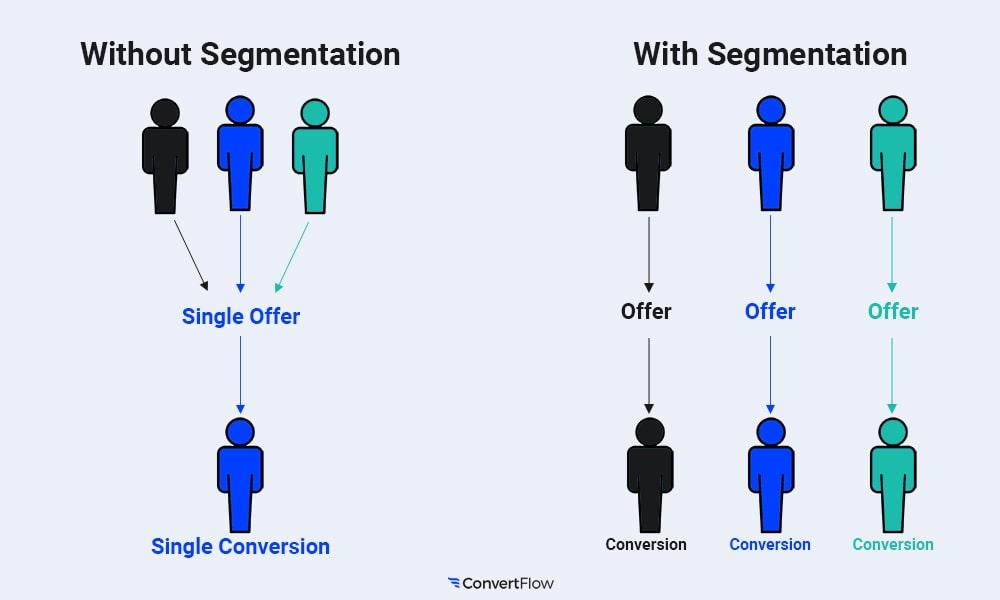
In today’s hyper-connected world, understanding your audience is more critical than ever. With a myriad of platforms and an overwhelming amount of data at our fingertips, the true challenge lies not just in reaching potential customers, but in connecting with them on a meaningful level. This is where audience segmentation comes into play. By effectively categorizing your audience into distinct groups based on their behaviors, preferences, and demographics, you can tailor your marketing strategies to resonate more deeply with each segment. In this article, we will explore the art of mastering audience segmentation, uncover its powerful impact on your marketing efforts, and provide actionable insights to help you create targeted campaigns that not only capture attention but also drive engagement and conversions. Join us as we delve into the nuances of segmentation and discover how it can transform your marketing outcomes into something truly remarkable.
Table of Contents
- Understanding the Fundamentals of Audience Segmentation
- Identifying Key Demographics for Targeted Campaigns
- Leveraging Data Analytics to Refine Your Segmentation Strategy
- Creating Tailored Marketing Messages that Resonate with Each Segment
- Final Thoughts
Understanding the Fundamentals of Audience Segmentation
Audience segmentation is the process of categorizing potential customers based on specific characteristics and behaviors, allowing marketers to tailor their messages and strategies effectively. By understanding the diverse needs of your audience, you can create personalized marketing campaigns that resonate on a deeper level. Key factors to consider when segmenting your audience include:
- Demographics: Age, gender, income, and education level.
- Psychographics: Interests, values, and lifestyles.
- Geographics: Location and regional differences.
- Behavioral data: Purchasing habits, brand loyalty, and product usage.
Once you’ve established your segments, it’s crucial to analyze the data to identify patterns and trends that can guide your marketing strategies. Utilizing tools like customer surveys and analytics platforms can enhance your understanding of audience preferences and facilitate more effective segmentation. To illustrate the impact of segmentation on marketing success, consider the following table that highlights potential marketing strategies for different audience segments:
| Segment Type | Marketing Strategy |
|---|---|
| Young Professionals | Social media advertising with influencer partnerships. |
| Families | Email campaigns offering family-oriented discounts. |
| Health Enthusiasts | Content marketing focused on wellness tips and product benefits. |
| Budget-Conscious Shoppers | Promotional campaigns highlighting sales and budget-friendly options. |
Identifying Key Demographics for Targeted Campaigns
Understanding your audience is paramount in crafting effective marketing campaigns. By pinpointing specific demographics, you can tailor your messaging and offerings to resonate more deeply with potential customers. Consider categorizing your audience based on several key factors, such as:
- Age: Different age groups often have distinct preferences and purchasing behaviors.
- Gender: Tailoring campaigns to gender-specific interests can significantly boost engagement.
- Location: Geographic trends influence buying decisions, so regional marketing can enhance relevance.
- Income Level: Understanding the economic status of your audience allows for appropriate product placement.
- Interests and Hobbies: Aligning campaigns with consumer interests can create a stronger connection.
To effectively categorize your audience, you could utilize data analytics tools and market research. A simple table can delineate potential demographic segments to enhance clarity and strategizing:
| Demographic Factor | Specifics |
|---|---|
| Age Group | 18-24, 25-34, 35-44 |
| Gender | Male, Female, Non-binary |
| Income | Low, Middle, High |
| Interests | Fashion, Technology, Health |
By leveraging the insights gained from these demographic analyses, marketers can optimize their campaigns for maximum impact, ensuring that each message reaches the right audience at the right time.
Leveraging Data Analytics to Refine Your Segmentation Strategy
In today’s fast-paced digital landscape, the ability to fine-tune your audience segmentation strategy is essential for achieving marketing success. By employing data analytics, brands can uncover invaluable insights that drive their decision-making processes. These insights enable marketers to develop a more granular understanding of their audience, breaking down complex data sets into actionable segments. With tools like predictive analytics and customer lifetime value estimations, businesses can segment their audience based on behavior, preferences, and purchase history, allowing for hyper-targeted campaigns that resonate deeply with each group.
To effectively leverage data analytics, consider focusing on key metrics that inform your segmentation strategy. Analyze factors such as demographics, geographical data, and psychographics to create a well-rounded picture of your audience. By synthesizing this information, you can build dynamic audience profiles that evolve with changing consumer trends. Here’s a quick overview of essential metrics that should guide your strategy:
| Metric | Description | Benefit |
|---|---|---|
| Engagement Rate | Measures how actively customers interact with your brand. | Identifies high-value segments for focused outreach. |
| Churn Rate | Percentage of customers who stop using your product or service. | Pinpoints at-risk segments for retention efforts. |
| Conversion Rate | The percentage of users who complete the desired action. | Helps evaluate the effectiveness of marketing strategies. |
Creating Tailored Marketing Messages that Resonate with Each Segment
To create marketing messages that resonate deeply with different segments of your audience, it’s essential to first understand their unique characteristics and preferences. Start by identifying key segments through data analysis and customer insights—social media behavior, purchase history, and demographic factors can all offer valuable clues. From this foundation, you can craft messages that speak directly to each group’s needs and interests. For instance, the following strategies can enhance the effectiveness of your communication:
- Personalization: Use personalized greetings and tailored content that aligns with individual preferences.
- Relevant Solutions: Highlight how your product or service addresses specific pain points for each segment.
- Clear Calls to Action: Encourage engagement by making your calls to action unmistakable and relevant to each audience group.
Furthermore, employing visualization techniques can help clarify your messages. Consider utilizing tables to illustrate comparisons, features, or benefits tailored to each segment. Here’s a simple example:
| Audience Segment | Key Message | Preferred Channel |
|---|---|---|
| Tech Enthusiasts | Discover the latest innovations! | Email Newsletters |
| Parents | Make family time special with our products! | Social Media Ads |
| Seniors | Easy solutions for daily comfort. | Direct Mail |
By adopting this segmented approach, your marketing efforts can achieve greater impact, driving higher engagement and conversion rates across diverse audiences.
Final Thoughts
mastering audience segmentation is not just a strategy; it’s a fundamental shift in how we think about marketing. By diving deep into the diverse needs, preferences, and behaviors of your audience, you can create tailored experiences that resonate powerfully and drive measurable results. As we’ve explored throughout this article, effective segmentation allows brands to optimize their messaging, enhance customer satisfaction, and ultimately increase their return on investment.
Remember, the journey of audience segmentation is ongoing. Continually analyze data, stay abreast of market trends, and be willing to adapt your strategies to meet your audience where they are. The effort you put into understanding your customers now will pay dividends in the long run, leading to stronger relationships and sustained success.
So, whether you’re just beginning your segmentation journey or looking to refine your existing strategies, the key is to embrace a mindset of curiosity and flexibility. By doing so, you’ll not only master the art of audience segmentation but also elevate your marketing efforts to truly impactful heights. Happy segmenting!