

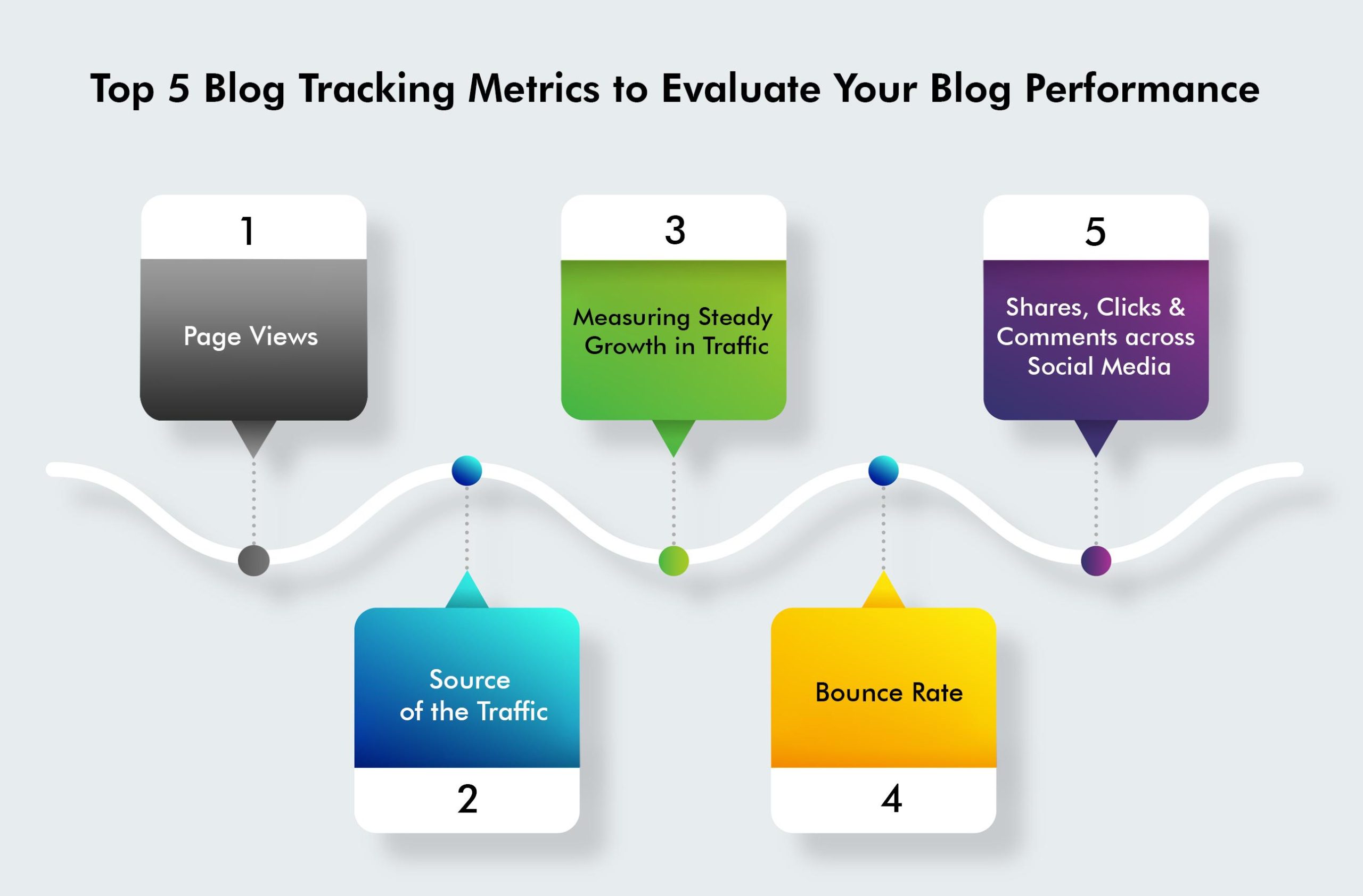
Introduction: Measuring Success in the Blogosphere
In the dynamic world of blogging, success isn’t just about crafting compelling narratives or showcasing stunning visuals; it’s also about understanding the metrics that define your performance. Whether you’re a seasoned blogger or just starting your digital journey, effectively tracking your blog’s performance is crucial for sustained growth and engagement. But with the plethora of data available, what metrics should you focus on to truly gauge your blog’s impact? In this article, we will explore the essential metrics that every blogger should monitor, providing you with the tools to not only assess your current standing but also refine your strategies for future success. By understanding these key indicators, you can unlock valuable insights that will help you foster a thriving community, enhance your content strategy, and ultimately achieve your blogging goals. Let’s dive into the world of blog performance metrics and discover how they can help you turn your passion into a powerful platform.
Table of Contents
- Understanding Traffic Sources for Comprehensive Audience Insights
- Analyzing Engagement Metrics to Enhance Reader Interaction
- Optimizing Content Performance through Conversion Rate Tracking
- Utilizing SEO Metrics to Boost Discoverability and Reach
- Insights and Conclusions
Understanding Traffic Sources for Comprehensive Audience Insights
Understanding where your traffic originates is crucial for shaping your content strategy and tailoring it to meet your audience’s needs. By diving into your traffic sources, you can uncover which platforms are driving visitors to your blog. The primary source types include:
- Organic search: Visitors who find your content via search engines.
- Direct traffic: Users who enter your URL directly into their browser.
- Referral traffic: Individuals arriving from links on other websites.
- Social media: Traffic generated from platforms like Facebook, Twitter, and Instagram.
- Email marketing: Readers arriving via links in your newsletters and campaigns.
Gathering insights from these traffic sources allows for informed decision-making about where to focus your promotional efforts. You can leverage analytics tools to examine key metrics that shed light on user behavior across different channels. Consider tracking:
| Metric | Description |
|---|---|
| Traffic Volume | Total visits from each source. |
| Bounce Rate | Percentage of visitors who leave after viewing one page. |
| Average Session Duration | Time users spend on your blog. |
| Conversion Rate | Percentage of visitors completing a desired action. |
Analyzing Engagement Metrics to Enhance Reader Interaction
Understanding your readers’ behavior and preferences through engagement metrics is crucial for improving blog interaction. Key indicators such as time on page, bounce rate, and scroll depth offer insights that help tailor content to meet audience needs. By analyzing these metrics, you’ll discover what resonates with your readers and what falls flat. For instance, a high bounce rate may indicate that your title is misleading or that your content doesn’t provide immediate value, while a long time on page typically signals well-engaged readers. Utilizing tools like Google Analytics will allow you to gain a deeper grasp of these statistics.
To effectively enhance reader engagement, consider regularly measuring metrics such as comments per post, social shares, and return visitors. These factors not only reflect current reader interest but also forecast the potential for a loyal audience. To simplify tracking, create a table for clarity that summarizes your findings over a period. A straightforward representation can make it easier for you to identify trends and adjust your content strategy accordingly. Here’s an example:
| Metric | Current Month | Last Month | Change |
|---|---|---|---|
| Comments | 45 | 30 | +15 |
| Social Shares | 200 | 150 | +50 |
| Return Visitors | 1,500 | 1,200 | +300 |
By making engagement metrics a regular part of your content evaluation, you position yourself to make informed decisions that enhance reader interaction and satisfaction.
Optimizing Content Performance through Conversion Rate Tracking
To truly enhance your blog’s effectiveness, focusing on conversion rate tracking can be a game changer. By analyzing how many visitors to your site eventually take a desired action—such as signing up for a newsletter, downloading an e-book, or making a purchase—you can gain valuable insights into what resonates with your audience. This process not only highlights the strengths of your content but also reveals areas for improvement. You can segment your data based on traffic sources, content type, and user demographics to better understand which factors are influencing conversions.
Implementing conversion tracking requires a strategic approach. Start by defining clear goals for each piece of content and utilize tools like Google Analytics and conversion tracking plugins to measure performance. Analyze the following key elements:
- Click-through Rates (CTR) – Understand how compelling your calls to action are.
- Time on Page – Gauge visitor engagement and interest in your content.
- Bounce Rates – Identify potential issues if visitors leave quickly without interaction.
- User feedback – Collect qualitative data through surveys to ascertain reader sentiment.
By regularly reviewing this data and translating it into actionable insights, you can refine your content strategy, ensuring that each post not only attracts readers but also effectively encourages them to engage with your blog on a deeper level.
Utilizing SEO Metrics to Boost Discoverability and Reach
Understanding and leveraging SEO metrics can significantly enhance your blog’s visibility and audience engagement. By focusing on key indicators, you can identify areas that require improvement and target your content to match user intent more effectively. Some of the essential metrics to monitor include:
- Organic Traffic: The number of visitors arriving at your blog through search engines.
- Keyword Rankings: Tracking the position of your target keywords in search engine results pages (SERPs).
- Bounce Rate: The percentage of visitors who leave your site after viewing only one page.
- Click-Through Rate (CTR): The ratio of users who click on your link when it appears in search results.
By analyzing these metrics, you can boost your content strategy, ensuring it aligns with what your audience is searching for. For instance, if you notice a high bounce rate, it may signify that your content isn’t engaging enough or doesn’t meet the expectations set by the search results. Adjusting your titles, improving content quality, and optimizing for user experience can lead to higher retention and more shares, further increasing your blog’s reach.
| Metric | Importance |
|---|---|
| Organic Traffic | Indicates the effectiveness of your SEO efforts. |
| Keyword Rankings | Helps to identify which terms are driving traffic. |
| Bounce Rate | Signals content relevancy and engagement. |
| Click-Through Rate | Measures the appeal of your title and meta descriptions. |
Insights and Conclusions
tracking the right metrics is essential for gauging the success of your blog and making informed decisions to boost its performance. By focusing on key indicators like traffic sources, engagement rates, and audience demographics, you can gain valuable insights that will help you refine your content strategy, enhance user experience, and ultimately grow your readership. Remember, the world of blogging is ever-evolving, so staying informed about the latest tools and trends will keep you ahead of the curve.
As you embark on this journey of continuous improvement, don’t hesitate to regularly review your metrics and adjust your approach as needed. Celebrate your successes, learn from your challenges, and remain committed to providing value to your audience. With a strategic focus on these essential metrics, you’ll not only track your blog’s performance effectively but also lay a strong foundation for long-term success. Happy blogging!