

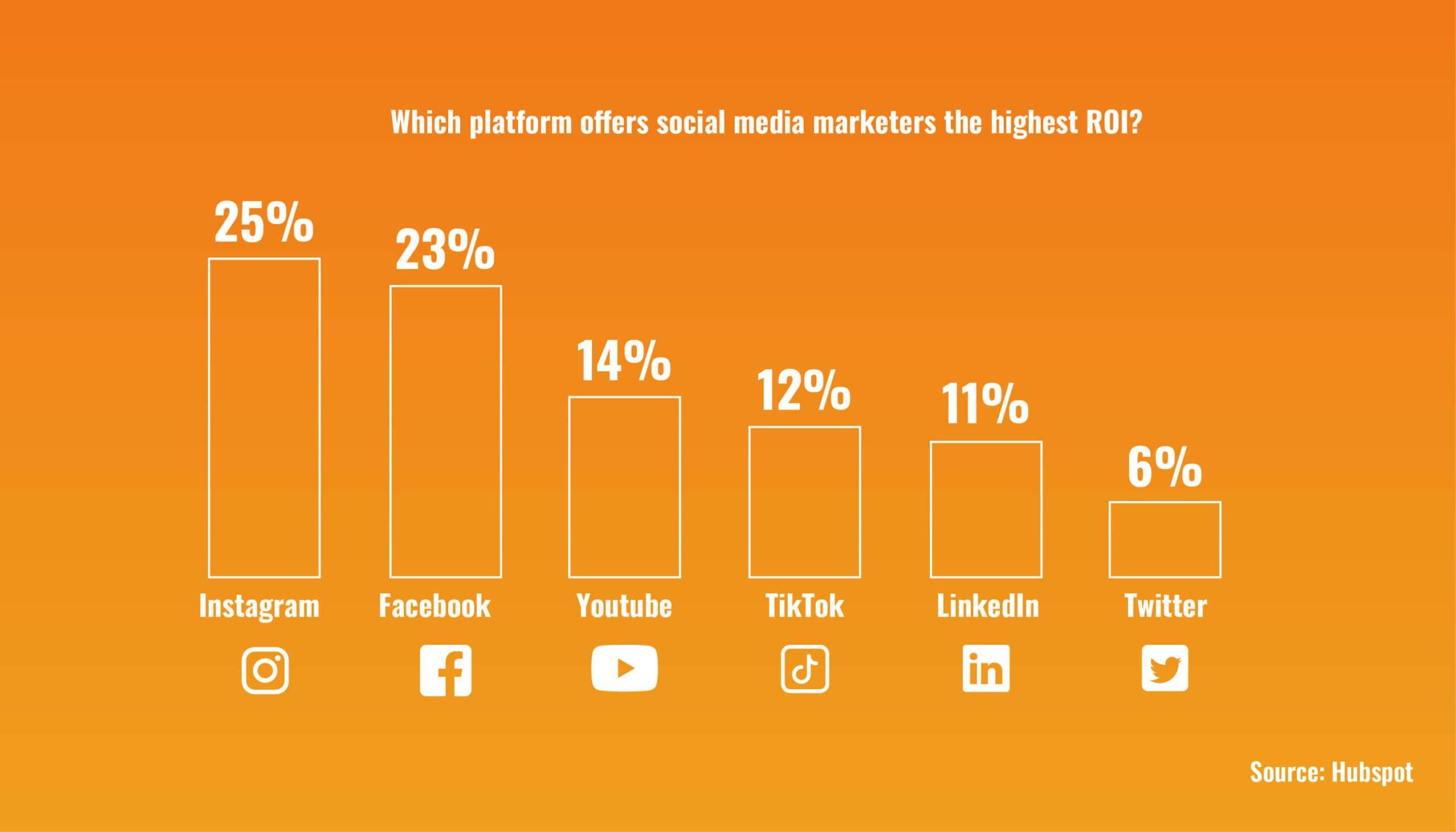
In today’s digital landscape, social media is not just a platform for brand visibility; it has evolved into a powerful tool that can drive sales, cultivate customer relationships, and ultimately impact the bottom line. However, despite the growing significance of social media in business strategies, many organizations still struggle to quantify its return on investment (ROI). How do you determine if the time and resources spent on social platforms are paying off? In this article, we’ll delve into effective methodologies and metrics for measuring social media ROI, providing you with the insights needed to unlock the true potential of your online efforts. From understanding the various types of ROI—both qualitative and quantitative—to leveraging analytics tools that can provide clarity, we’ll equip you with the knowledge to navigate the intricate world of social media performance. Join us as we explore how to transform social media initiatives from mere engagement metrics into tangible business results.
Table of Contents
- Understanding the Key Metrics for Social Media ROI Evaluation
- Aligning Business Goals with Social Media Strategies
- Utilizing Analytics Tools for Accurate ROI Measurement
- Implementing Best Practices for Continuous Improvement in ROI
- The Way Forward
Understanding the Key Metrics for Social Media ROI Evaluation
When evaluating the effectiveness of social media efforts, it’s crucial to focus on the key metrics that will provide insight into return on investment (ROI). Understanding these metrics allows businesses to make informed decisions and enhances their strategies. Key performance indicators (KPIs) such as engagement rate, conversion rate, and reach should be at the forefront of any analysis. By assessing how well content resonates with audiences and correlates with lead generation or sales, organizations can pinpoint which platforms are yielding the best results and where to allocate resources effectively.
To break it down further, here are some metrics to monitor:
- Engagement Rate: Measures interactions (likes, shares, comments) relative to total followers.
- Conversion Rate: Percentage of users who take a desired action after engaging with content.
- Reach: Total number of unique users who have seen your content.
Using these metrics, businesses can compile comprehensive reports that visualize performance across different social media channels. The following table summarizes how each metric contributes to a holistic view of social media success:
| Metric | Definition | Importance |
|---|---|---|
| Engagement Rate | Interactions per post vs. followers | Indicates audience interest |
| Conversion Rate | Actions taken after engagement | Measures effectiveness of campaigns |
| Reach | Unique viewers reached | Shows potential audience size |
Aligning Business Goals with Social Media Strategies
To effectively measure the return on investment (ROI) from social media efforts, businesses must first define clear objectives that align with their broader business goals. This might involve setting specific targets such as increasing brand awareness, driving website traffic, or generating leads. Creating a strategic roadmap not only provides clarity but also guides the content creation process to ensure that each post, tweet, or story contributes to the overarching mission of the organization.
Once objectives are established, leveraging analytics tools can provide critical insights into performance. By tracking key performance indicators (KPIs) such as engagement rates, conversion rates, and audience reach, businesses can gauge the success of their initiatives. Here are some fundamental points to consider when analyzing social media performance:
- Engagement Rates: Measure likes, shares, and comments to assess audience interaction.
- Traffic Conversion: Analyze the amount of traffic generated from social platforms to your website.
- Customer Acquisition Cost (CAC): Calculate your spending on social media relative to the number of new customers acquired.
| Social Media Platform | Primary Objective | Key Metric |
|---|---|---|
| Brand Awareness | Reach | |
| Engagement | Likes & Comments | |
| Lead Generation | InMail Responses |
Utilizing Analytics Tools for Accurate ROI Measurement
In today’s data-driven world, leveraging analytics tools is essential for dissecting the complexities of social media ROI. By employing robust analytics platforms, businesses can turn raw engagement data into insightful metrics that illuminate their performance. Key benefits of these tools include:
- Real-Time Tracking: Monitor social media campaigns as they unfold, allowing for timely adjustments and optimizations.
- Customer Insights: Gain a deeper understanding of your audience’s behavior, preferences, and engagement patterns.
- Cost Analysis: Measure the expenses associated with each campaign against the resulting revenue to determine profitability.
Utilizing these tools effectively involves setting clear KPIs that align with business objectives. This structured approach permits marketers to gauge performance accurately and supports data-driven decision-making. A simple comparative table can help illustrate ROI across various platforms:
| Social Media Platform | Investment ($) | Return ($) | ROI (%) |
|---|---|---|---|
| 500 | 1500 | 200 | |
| 400 | 1200 | 200 | |
| 300 | 900 | 200 |
Implementing Best Practices for Continuous Improvement in ROI
To foster an environment where continuous improvement thrives, organizations must first establish a robust framework for measuring social media ROI. This involves defining clear objectives that align with business goals and identifying key performance indicators (KPIs) to monitor progress. By implementing strategies such as regular data analysis and leveraging analytics tools, businesses can assess real-time performance metrics. This proactive approach not only helps track success but also uncovers areas for enhancement. Furthermore, creating a feedback loop where insights from data inform future campaigns ensures that social media strategies evolve in response to changing market dynamics.
Incorporating best practices in ROI measurement requires a commitment to iterative testing and optimization. Businesses can adopt methodologies like A/B testing to compare the effectiveness of different social media campaigns. In addition, establishing a regular review process for evaluating campaign outcomes allows organizations to shift resources toward the most effective initiatives swiftly. Consider the following essential practices:
- Regularly update KPIs to reflect changing business priorities
- Utilize customer feedback to fine-tune content strategy
- Document lessons learned to guide future campaigns
- Emphasize collaboration between marketing and sales teams
| Best Practice | Description | Impact on ROI |
|---|---|---|
| Define Objectives | Align social media goals with business targets. | Increases focus and efficiency. |
| Analytics Tools | Leverage tools for real-time data insights. | Enhances data-driven decision-making. |
| A/B Testing | Test variations of campaigns. | Optimizes performance through experimentation. |
The Way Forward
measuring the return on investment (ROI) of social media is not just a theoretical exercise; it’s an essential practice that empowers businesses to make informed decisions and strategically drive their marketing efforts. By establishing clear objectives, utilizing the right metrics, and leveraging advanced analytics tools, organizations can effectively unlock the true potential of their social media initiatives.
As the digital landscape continues to evolve, staying ahead of the curve requires adaptability and a commitment to refining your measurement strategies. Remember, success on social media isn’t just about the number of likes or shares; it’s about the impact on your bottom line and fostering meaningful connections with your audience.
We encourage you to adopt a metrics-driven approach and continuously evaluate the effectiveness of your social media efforts. After all, the insights you gain today will shape your strategies for tomorrow. Keep experimenting, stay engaged, and watch as your social media ROI transforms into a powerful driver of growth and success for your brand. Thank you for joining us on this journey to unlocking social media success!