

Unlocking E-Commerce Success: A Step-by-Step Guide to Setting Up Payment Gateways
In today’s digital era, establishing a robust online presence is pivotal for any business looking to thrive. As the backbone of e-commerce transactions, payment gateways play a vital role in facilitating smooth, secure, and efficient monetary exchanges between merchants and customers. However, navigating the myriad of options and technical requirements can be daunting, especially for novice entrepreneurs. This guide aims to demystify the process of setting up payment gateways for your e-commerce platform, providing you with a clear, step-by-step approach to integrating this crucial component. Whether you’re launching a new online store or seeking to optimize an existing setup, understanding the intricacies of payment processing will empower you to enhance customer experience while bolstering your bottom line. Let’s dive into the essentials of payment gateway integration and pave the way for your e-commerce success!
Table of Contents
- Understanding Payment Gateways and Their Importance in E-Commerce
- Selecting the Right Payment Gateway for Your Business Needs
- Step-by-Step Process for Integrating Payment Gateways into Your Online Store
- Ensuring Security and Compliance: Best Practices for Payment Processing
- Future Outlook
Understanding Payment Gateways and Their Importance in E-Commerce
In the realm of e-commerce, a payment gateway serves as the pivotal bridge between a customer’s bank and the merchant’s account. This technology facilitates seamless online transactions by encrypting sensitive information, such as credit card details, ensuring that this data is transmitted securely. The importance of having a reliable payment gateway cannot be overstated, as it not only helps to enhance customer trust but also directly impacts conversion rates. Businesses that offer a simplified and secure checkout experience often see a significant decrease in cart abandonment rates, leading to enhanced sales performance.
Furthermore, there is a wide array of payment gateways available, each offering unique features and functionalities tailored to meet varying business needs. When selecting a gateway, consider the following key factors:
- Transaction Fees: Understand the pricing model, as some gateways charge per transaction while others might impose monthly fees.
- Payment Options: Ensure the gateway supports multiple payment methods, including credit and debit cards, e-wallets, and even cryptocurrencies.
- Integration Options: Look for a gateway that seamlessly integrates with your existing e-commerce platform.
- Customer Support: Reliable support is crucial in resolving payment issues quickly to minimize disruptions to your business.
Selecting the Right Payment Gateway for Your Business Needs
Choosing a payment gateway is a crucial decision that can significantly impact your e-commerce operations. As you navigate this process, consider the following key factors in selecting the right option for your business:
- Fees and Costs: Examine transaction fees, monthly fees, and any additional charges that may apply. This will help you understand the overall cost structure.
- Supported Payment Methods: Ensure the gateway supports various payment options, including credit/debit cards and digital wallets, to cater to different customer preferences.
- Transaction Speed: Look for gateways that process transactions quickly and efficiently, as this can enhance customer satisfaction.
- Integration Options: Check how easily the payment gateway integrates with your existing e-commerce platform and other tools you use.
- Security Features: Prioritize gateways that offer robust security measures such as encryption and fraud detection to protect your business and customers.
Furthermore, it’s beneficial to compare payment gateways side-by-side to assess their advantages and potential drawbacks effectively. Using a table can simplify this analysis:
| Payment Gateway | Transaction Fee | Setup Time | Customer Support |
|---|---|---|---|
| Gateway A | 2.9% + $0.30 | Instant | 24/7 Support |
| Gateway B | 2.5% + $0.20 | 1-2 Days | Email Support |
| Gateway C | 3.1% + $0.25 | Instant | Phone and Chat Support |
This systematic approach will not only give you clarity on your choices but will also empower you to make an informed decision that aligns with your business strategy and enhances your customers’ experience.
Step-by-Step Process for Integrating Payment Gateways into Your Online Store
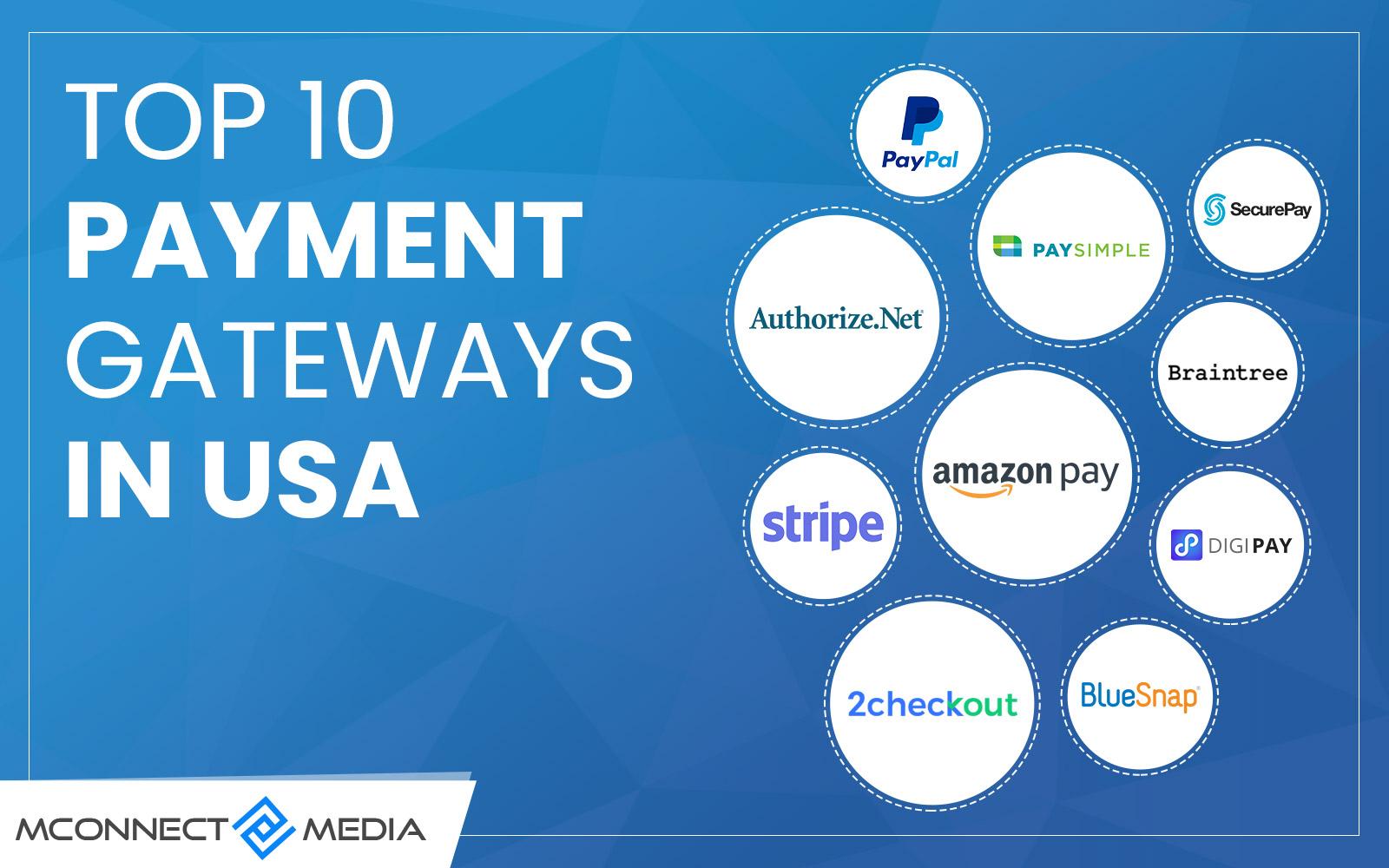
Integrating a payment gateway into your online store is a vital step for enabling seamless transactions. Begin by researching various payment gateway options to determine which best aligns with your business model and target audience. Consider factors such as transaction fees, payment methods accepted, and security features. Popular payment gateways include PayPal, Stripe, and Square. Once you’ve chosen a suitable provider, create an account with them to access the necessary API keys and credentials required for integration.
Next, it’s time to implement the payment gateway into your e-commerce platform. Most platforms offer built-in support or plugins for popular payment gateways. Depending on your chosen platform, you may need to perform the following steps:
- Navigate to the payment settings section of your online store.
- Enter the API keys and any other required credentials from your payment gateway.
- Configure additional settings such as currency and transaction notifications.
- Test the payment process using sandbox mode to ensure everything works smoothly.
it’s crucial to monitor the transactions to maintain a smooth workflow. Set up reports through your payment gateway dashboard to track sales and analyze customer behavior. Keep your payment system updated to reflect the latest security standards and customer preferences, ensuring a reliable shopping experience that encourages repeat business.
Ensuring Security and Compliance: Best Practices for Payment Processing
When setting up a payment gateway for your e-commerce business, prioritizing security and compliance is essential to protect sensitive customer data and maintain trust. Implementing robust security measures not only safeguards transactions but also enhances your brand’s reputation. Consider the following best practices to ensure a secure processing environment:
- Utilize SSL Certificates: Secure your website with an SSL certificate to encrypt data transferred between your servers and customers.
- Choose PCI-DSS Compliant Gateways: Partner with payment processors that meet PCI-DSS standards, ensuring adherence to industry security regulations.
- Enable 2-Factor Authentication: Require users to verify their identity through a second authentication factor to add an extra layer of protection.
- Conduct Regular Security Audits: Schedule periodic reviews of your security infrastructure to identify and address vulnerabilities promptly.
Additionally, incorporating compliance measures is crucial in mitigating risks associated with payment processing. Stay informed about regulatory changes and implement policies that reflect current laws relevant to your operation. Key compliance practices include:
| Compliance Area | Description |
|---|---|
| Data Protection | Ensure adherence to GDPR and other data protection regulations to handle customer data responsibly. |
| Fraud Detection | Implement strategies and tools to recognize fraudulent activities and protect your payment gateway. |
| Transaction Monitoring | Establish policies for ongoing monitoring of transactions to swiftly identify suspicious behavior. |
Future Outlook
setting up payment gateways for your e-commerce business doesn’t have to be a daunting task. By following this step-by-step guide, you’ve learned how to navigate the critical stages of selecting, integrating, and optimizing your payment solutions. Remember, a well-functioning payment system not only enhances the shopping experience but also builds trust with your customers, paving the way for higher conversion rates and repeat business.
Taking the time to research and implement the right payment gateway can significantly impact your e-commerce success. Whether you choose a popular platform or a niche solution, the goal remains the same: to provide a seamless, secure, and customer-friendly experience.
By staying informed about the latest payment technologies and evolving consumer preferences, you can ensure that your e-commerce business remains competitive in an ever-changing landscape. So, take action today, implement these steps, and watch as your online sales thrive.
Thank you for joining us on this journey. If you have any questions or would like to share your own experiences with payment gateways, please leave a comment below. Happy selling!