

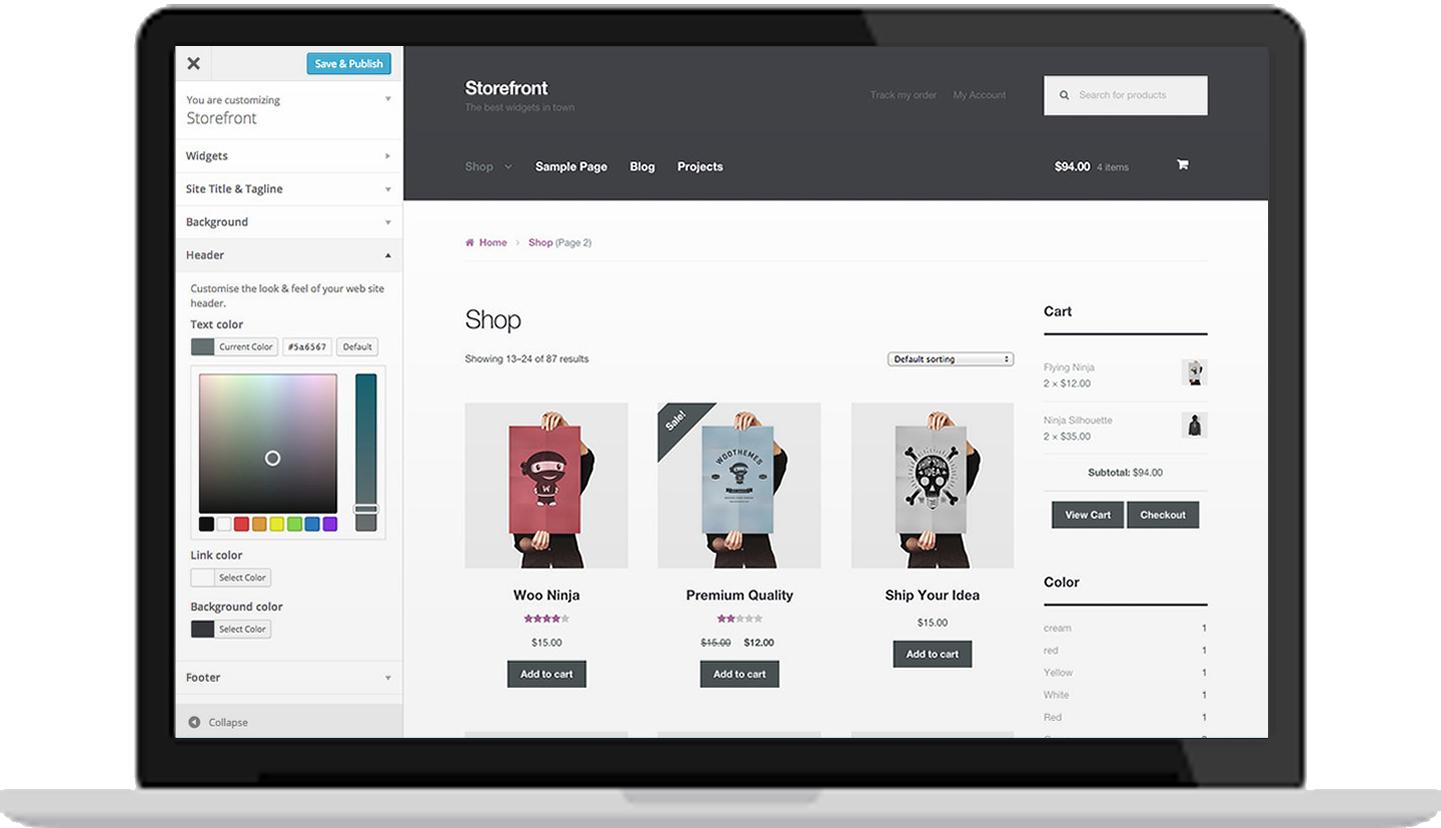
Introduction: Crafting Your WooCommerce Store – A Step-by-Step Guide
In today’s digital age, establishing an online presence is not just a luxury—it’s a necessity for any business aiming to thrive in the competitive marketplace. WooCommerce, a powerful plugin for WordPress, offers entrepreneurs and small business owners the tools they need to create a robust e-commerce store tailored to their unique needs. Whether you’re looking to sell handmade crafts, digital downloads, or a diverse range of products, WooCommerce provides an intuitive platform to help you turn your vision into reality.
In this comprehensive guide, we will walk you through the essential steps to craft an effective WooCommerce store from scratch. From selecting the right hosting provider and configuring your site to designing an engaging storefront and optimizing for conversions, our step-by-step approach ensures that you can navigate the often overwhelming world of e-commerce with confidence. Get ready to explore actionable insights and best practices that will empower you to launch a successful online store and attract customers to your brand. Let’s dive in!
Table of Contents
- Understanding the Essential Components of a Successful WooCommerce Store
- Setting Up Your WooCommerce Storefront for Maximum Appeal
- Optimizing Product Listings to Drive Sales and Engage Customers
- Implementing Effective Payment and Shipping Solutions for Your E-Commerce Business
- Wrapping Up
Understanding the Essential Components of a Successful WooCommerce Store
Creating a successful WooCommerce store requires understanding several key components that work together to drive sales and enhance user experience. First and foremost, product selection is crucial; offering a well-curated range of items that resonate with your target audience can set your store apart. Additionally, visual appeal plays a vital role—high-quality images and clean design help instill trust and attract customers. It is also essential to incorporate user-friendly navigation that allows visitors to easily browse categories, filter products, and reach the checkout process seamlessly.
Another fundamental aspect is customer engagement. Integrating features like customer reviews, wish lists, and personalized recommendations can create a more interactive shopping environment. Moreover, attention should be paid to payment gateways: supporting multiple secure options (like credit cards, PayPal, and digital wallets) can significantly improve conversion rates. mobile optimization cannot be overlooked. With an increasing number of consumers shopping via smartphones, it’s imperative that your WooCommerce store is fully-responsive and provides a consistent shopping experience across all devices.
Setting Up Your WooCommerce Storefront for Maximum Appeal
Creating an inviting WooCommerce storefront starts with a clean, user-friendly layout. Consider utilizing a minimalistic design that allows your products to shine while avoiding clutter. Here are some key elements to focus on for an appealing storefront:
- High-Quality Images: Use professional images for your products to enhance visual appeal.
- Consistent Branding: Maintain a cohesive color scheme and typography that reflects your brand identity.
- Easy Navigation: Implement intuitive menus and filters to help customers find products quickly.
Next, optimize your storefront’s functionality to drive customer engagement and sales. Implementing specific strategies can significantly enhance the user experience. Consider the following:
- Product Information: Provide detailed descriptions and specifications for each product.
- Customer Reviews: Allow users to leave reviews to build trust and community.
- Promotions and Discounts: Showcase any sales or limited-time offers prominently on your homepage.
| Strategy | Benefit |
|---|---|
| High-Quality Images | Increases visual appeal and customer interest |
| Easy Navigation | Improves user experience and reduces bounce rates |
| Customer Reviews | Builds trust and encourages purchases |
Optimizing Product Listings to Drive Sales and Engage Customers
Creating compelling product listings is essential for enhancing visibility and appealing to potential buyers. Start by incorporating high-quality images that showcase your products from multiple angles. Customers are likely to make purchasing decisions based on visual appeal, so investing in professional photography can pay off. Additionally, writing engaging and informative product descriptions is key. Focus on the benefits and features that differentiate your products, using keywords that align with what your target audience is searching for. Remember to utilize bullet points to ensure information is digestible and inviting.
Further optimize your listings by strategically applying SEO techniques. Use a combination of short-tail and long-tail keywords in your titles, descriptions, and meta tags. This can help increase organic traffic to your store. Another effective tactic is to encourage customer reviews, as social proof can significantly sway potential buyers. Consider implementing a rating system and incentivizing feedback with discounts. A well-structured product listing not only drives sales but also fosters a stronger connection with customers, encouraging repeat business and brand loyalty.
Implementing Effective Payment and Shipping Solutions for Your E-Commerce Business
To ensure a seamless shopping experience for your customers, selecting the right payment gateways is crucial. Consider integrating multiple payment options to cater to various user preferences, including credit and debit cards, PayPal, and even local payment methods. Here are some popular payment gateways you might want to explore:
- Stripe – Known for its developer-friendly API.
- PayPal – A trusted name in online payments.
- Square – Ideal for businesses that also have brick-and-mortar stores.
- Authorize.Net – Offers a wide range of payment services.
Once your payment gateways are set up, it’s time to focus on shipping solutions. Efficient shipping is a cornerstone of customer satisfaction and can influence purchasing decisions. Utilize a combination of methods, such as flat rate shipping, free shipping over a threshold, or real-time carrier rates. To illustrate your options, consider the following shipping strategies:
| Shipping Method | Pros | Cons |
|---|---|---|
| Flat Rate | Simplicity for customers | May not reflect actual shipping costs |
| Free Shipping | Increases conversion rates | Impact on profit margins |
| Real-time Rates | Accurate pricing | Potential complexity at checkout |
Wrapping Up
As we conclude our step-by-step guide to crafting your WooCommerce store, we hope you feel empowered and ready to embark on your e-commerce journey. Building a successful online store requires not only the right tools but also a strategic approach to design, functionality, and customer engagement. By following the steps we’ve outlined, you’re well on your way to creating a streamlined, attractive, and user-friendly shopping experience for your customers.
Remember, the world of e-commerce is ever-evolving, so staying updated on the latest trends and best practices will help you remain competitive. Don’t hesitate to explore additional plugins and themes that can enhance your store or reach out to the WooCommerce community for support and inspiration.
With determination and creativity, your WooCommerce store can become a thriving business that not only meets the needs of your customers but also reflects your unique vision. Now, it’s time to put your knowledge into action—launch your store, engage with your audience, and watch your business grow. Happy selling!