

Introduction
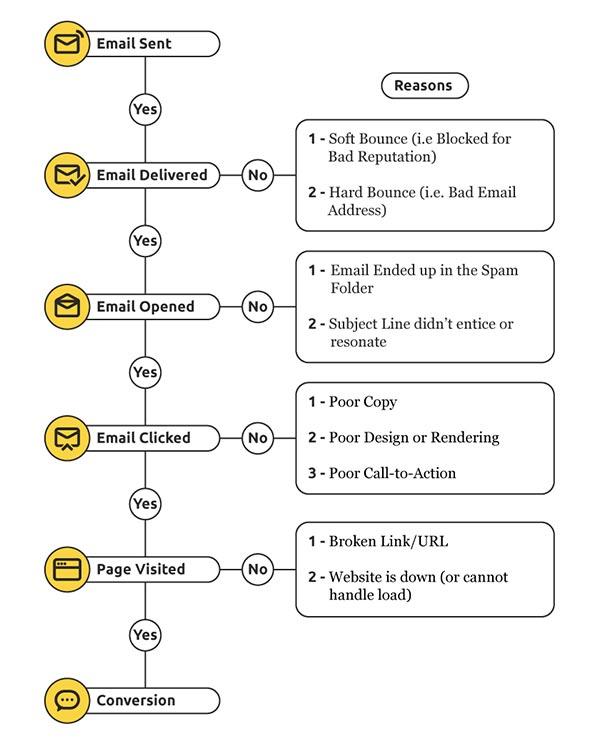
In today’s digital landscape, email remains one of the most powerful communication tools—whether for personal use or business outreach. However, the persistent menace of the spam folder looms over this versatile medium, threatening to derail your carefully crafted messages before they even reach the intended recipient. With inboxes overflowing and filters becoming ever more sophisticated, ensuring that your emails land in the primary folder is more crucial than ever. In this article, we’ll explore proven strategies to enhance your email deliverability, cut through the noise, and maintain a strong connection with your audience. Whether you’re a marketer, small business owner, or simply looking to improve your personal correspondence, our comprehensive tips will help you navigate the complexities of email communication and keep your message front and center. Let’s dive into the essential practices that will safeguard your emails from being relegated to the dreaded spam folder.
Table of Contents
- Best Practices for Creating Spam-Free Email Content
- The Importance of Authentication Methods for Deliverability
- Building a Quality Subscriber List to Enhance Engagement
- Monitoring and Analyzing Deliverability Metrics for Continuous Improvement
- Key Takeaways
Best Practices for Creating Spam-Free Email Content
Creating content that avoids the spam folder requires a mix of thoughtful practices and an understanding of email marketing fundamentals. Focus on crafting a clear and engaging subject line that accurately reflects the content of your email. Misleading subject lines can trigger spam filters and diminish trust with your audience. Additionally, ensure that your content is valuable and relevant to your recipients. Offering insights, exclusive promotions, or helpful information maintains engagement and encourages your audience to look forward to your emails instead of marking them as spam.
Furthermore, adherence to a clean list hygiene can significantly impact your email deliverability. Consider the following best practices:
- Regularly update your mailing lists to remove inactive subscribers.
- Implement double opt-in methods to confirm email addresses.
- A/B testing on different subject lines and content can help identify what resonates best with your audience.
Another important element is the technical aspect of your emails. Ensure that your emails are properly authenticated with SPF, DKIM, and DMARC records. These protocols help validate your identity to email servers, bolstering your credibility and reducing the chances of being flagged.
The Importance of Authentication Methods for Deliverability
When it comes to email deliverability, authentication methods play a crucial role in ensuring your messages not only reach the inbox but are also deemed trustworthy by email service providers. Implementing protocols such as SPF (Sender Policy Framework), DKIM (DomainKeys Identified Mail), and DMARC (Domain-based Message Authentication, Reporting, and Conformance) can significantly reduce the chances of your emails being mistaken for spam. These methods verify that your email is coming from a legitimate source, protecting both your brand’s reputation and your subscribers from potential phishing attempts.
Incorporating these authentication techniques can also enhance your sender reputation, which is a key factor for inbox placement. The table below summarizes the main benefits of each authentication method:
| Authentication Method | Benefits |
|---|---|
| SPF | Prevents spoofing by specifying which IP addresses are allowed to send emails on behalf of your domain. |
| DKIM | Assigns a digital signature to your email, proving its authenticity and integrity during transit. |
| DMARC | Provides a policy for handling emails that fail SPF or DKIM checks, improving communication with receiving domains. |
Building a Quality Subscriber List to Enhance Engagement
Creating a robust subscriber list is crucial to improving email engagement and ensuring your messages reach the inbox rather than the spam folder. Focus on quality over quantity by implementing strategies that attract genuinely interested subscribers. Consider the following tactics:
- Opt-in Forms: Utilize strategically placed opt-in forms on your website and blog. Aim for clear and compelling calls-to-action that highlight the benefits of subscribing.
- Incentives: Offer valuable incentives, such as exclusive content, discounts, or free resources, to entice users to join your email list.
- Segmentation: Segment your audience based on interests or behaviors to tailor content that resonates with them, increasing engagement and reducing unsubscribe rates.
Additionally, it’s essential to maintain the health of your subscriber list through regular cleanup. Periodically remove inactive subscribers and consider re-engagement campaigns for those who may have drifted away. By focusing on an engaged audience, you enhance your reputation with email service providers, which reduces the likelihood of your emails being marked as spam. Here’s a simple table illustrating subscriber list health metrics to monitor:
| Metric | Recommended Value |
|---|---|
| Open Rate | Above 20% |
| Click-Through Rate | Above 2% |
| Unsubscribe Rate | Below 1% |
Monitoring and Analyzing Deliverability Metrics for Continuous Improvement
To ensure your emails consistently land in the inbox, you must monitor and analyse deliverability metrics regularly. Key performance indicators such as open rates, click-through rates, and bounce rates give you valuable insights into how your emails are performing and whether adjustments are needed. By closely tracking these metrics, you can identify patterns or issues that might indicate problems with your email sending practices. Consider employing tools that offer real-time analytics, allowing you to react swiftly to any missteps. Maintaining a healthy sender score is paramount; therefore, consistently reviewing your performance metrics is essential for long-term success.
Additionally, segmenting your audience can significantly enhance your email effectiveness. By analyzing engagement metrics across different segments, you can tailor your content and strategies to specific groups. Here are some effective strategies to help optimize your deliverability metrics:
- Regularly Clean Your Email List: Remove inactive subscribers to improve engagement rates.
- Test Subject Lines: Use A/B testing to determine which subject lines yield better open rates.
- Monitor Bounce Rates: Address hard bounces immediately to avoid impacting your sender reputation.
- Evaluate Spam Complaints: Analyze feedback to reduce complaints and ensure relevant content.
| Metric | Ideal Range | Action |
|---|---|---|
| Open Rate | 20% – 30% | Refine subject lines and preview text |
| Click-Through Rate | 2% – 5% | Enhance content relevance and CTAs |
| Bounce Rate | Below 2% | Regularly clean the email list |
| Unsubscribe Rate | Below 0.5% | Evaluate content and frequency |
Key Takeaways
navigating the complex world of email marketing can often feel like walking a tightrope, but by employing the proven strategies outlined in this article, you can significantly enhance your chances of reaching your audience’s inbox. From optimizing your subject lines to maintaining a clean email list and adhering to best practices in content creation, every step you take plays a crucial role in ensuring your messages land where they belong – in your subscribers’ primary folders.
Remember, the key to successful email communication lies in building trust and providing value to your recipients. By prioritizing a positive user experience and staying informed about the ever-evolving email landscape, you can keep your emails out of the spam folder and foster a more engaged and responsive audience. Embrace these strategies, monitor your results, and continue to refine your approach for optimal effectiveness.
Thank you for joining us on this journey to better email practices. We wish you success in all your future email campaigns! Stay tuned for more insights and tips that can help elevate your marketing efforts. Happy emailing!