

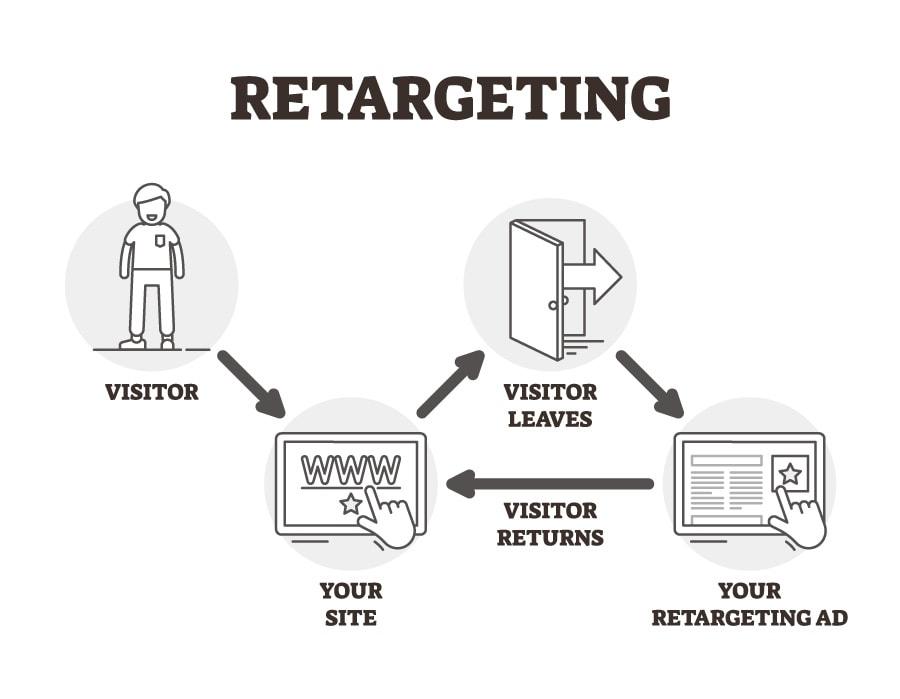
In the competitive landscape of digital marketing, capturing a user’s attention is only the first step on the journey to conversion. With average online conversion rates hovering around 2-3%, marketers face the ongoing challenge of engaging those who have shown interest but haven’t taken the final leap to purchase. Enter retargeting ads—a powerful tool designed to re-engage potential customers by reminding them of the products or services they previously viewed. But how do you ensure that these ads not only reach your audience but also compel them to return and convert? In this article, we will explore effective strategies for maximizing conversions through targeted retargeting ads, equipping you with actionable insights to enhance your marketing performance and ultimately drive your business growth. Whether you’re a seasoned marketer or just beginning to explore the realm of retargeting, understanding these strategies will help you turn potential lost sales into loyal customers. Let’s dive in!
Table of Contents
- Understanding the Retargeting Funnel and Its Importance
- Crafting Compelling Ad Creatives to Capture Attention
- Segmenting Your Audience for Targeted Retargeting Campaigns
- Analyzing Performance Metrics to Optimize Retargeting Efforts
- In Retrospect
Understanding the Retargeting Funnel and Its Importance
In the digital marketing landscape, a well-structured retargeting funnel is crucial for capturing potential customers who have engaged with your brand but didn’t convert. This funnel acts as a framework that guides users through their decision-making journey. It typically consists of several stages, including awareness, consideration, and decision. Each stage utilizes tailored ad content to provide value and reiterate your brand’s relevance, ensuring that the audience remains engaged and moves closer to conversion.
Implementing a retargeting funnel not only boosts brand visibility but also enhances trust and familiarity among potential customers. By employing strategies such as dynamic product ads or personalized messaging, you can effectively address their specific needs and objections. Consider these essential elements of your retargeting strategy:
- Segmentation: Divide your audience based on behaviour to send relevant messages.
- Frequency Cap: Set limits to avoid overwhelming users with too many ads.
- A/B Testing: Test different creatives to find what resonates best with your audience.
Crafting Compelling Ad Creatives to Capture Attention
To stand out in a crowded digital landscape, your ad creatives must be visually striking and emotionally engaging. Consider incorporating vibrant colors, bold typography, and high-quality images that resonate with your target audience. Utilize striking visuals that not only attract clicks but also align with your brand message. In addition, infusing a sense of urgency or exclusivity in your design can prompt quicker user reactions. Experiment with elements such as:
- Eye-catching graphics
- Clear call-to-action buttons
- Testimonials or customer reviews
Moreover, storytelling can significantly enhance the impact of your creatives. Rather than merely showcasing a product, narrate a compelling story that connects with the viewer, making them more likely to engage. Use concise, persuasive language that evokes emotions and drives action. A well-structured layout can also make a difference; consider using a simple table to showcase key features or benefits of your offer:
| Feature | Benefit |
|---|---|
| Speed | Instant access to offers |
| Convenience | Shop from anywhere, anytime |
| Exclusive Deals | Save more with targeted offers |
Segmenting Your Audience for Targeted Retargeting Campaigns
Understanding your audience is vital for the success of your retargeting campaigns. By segmenting your audience, you can tailor your ads to meet their specific needs and preferences. Consider dividing your audience into categories such as:
- Engaged Visitors: Users who have shown interest by visiting your site multiple times.
- Cart Abandoners: Those who added items to their cart but didn’t complete the purchase.
- Long-term Customers: Individuals who made previous purchases and are likely to respond to loyalty offers.
- New Visitors: Users visiting your site for the first time, who may need more education about your brand.
Once you’ve segmented your audience, implement tailored messaging that speaks directly to each group. For example, cart abandoners may respond better to reminders or discounts that encourage them to complete their purchases. On the other hand, long-term customers might be more inclined to engage with ads promoting exclusive deals or new product launches. You can also use the following table to visualize and strategize your messaging approach:
| Audience Segment | Ad Messaging Strategy | Recommended Offers |
|---|---|---|
| Engaged Visitors | Highlight key product features or benefits | Free trials or demos |
| Cart Abandoners | Send reminders with limited-time discounts | 10-20% off their cart value |
| Long-term Customers | Encourage repeat purchases with loyalty rewards | Exclusive early access or special discounts |
| New Visitors | Educate about products and brand values | Introductory offers or bundles |
Analyzing Performance Metrics to Optimize Retargeting Efforts
To effectively enhance retargeting campaigns, it’s crucial to analyze key performance metrics that reflect user engagement and conversion pathways. Focus on metrics such as click-through rates (CTR), conversion rates, and return on ad spend (ROAS), which provide valuable insights into how well your ads resonate with your target audience. By segmenting your audience based on their interactions—such as time spent on the site, pages viewed, and past purchase behaviour—you can tailor your messaging to appeal to specific groups. This helps in presenting relevant offers, thus increasing the likelihood of conversion.
Additionally, employing A/B testing for different ad creatives and landing pages can further hone your strategies. Track metrics like bounce rate and average session duration to assess the quality of user engagement post-click. Consider the table below, which illustrates optimal performance benchmarks for various industries, allowing you to set realistic goals and identify areas that require improvement:
| Industry | CTR (%) | Conversion Rate (%) | ROAS |
|---|---|---|---|
| eCommerce | 2.5 | 3.2 | 4.5 |
| Travel | 3.0 | 2.8 | 5.0 |
| Finance | 1.8 | 1.5 | 3.5 |
| Tech | 2.2 | 2.0 | 4.0 |
In Retrospect
effective retargeting can be a game-changer for maximizing conversions and driving meaningful engagement with your audience. By harnessing the power of personalized messaging, strategic audience segmentation, and data-driven insights, brands can craft retargeting campaigns that not only capture attention but also resonate with potential customers on a deeper level. As the digital landscape continues to evolve, staying ahead of the curve with innovative retargeting strategies will be essential to maintaining a competitive edge.
Remember, the goal is not just to bring users back to your site, but to create a seamless experience that nurtures relationships and fosters loyalty. With the right approaches, your retargeting ads can do more than just remind customers of products; they can tell a story, address pain points, and ultimately guide users through a journey that leads to conversions.
As you implement these strategies, continue to analyze and optimize your campaigns to ensure they align with consumer behaviour and preferences. The future of retargeting is bright, and with diligence and creativity, you can unlock its full potential. Now is the time to take action and transform those warm leads into loyal customers. Happy retargeting!