

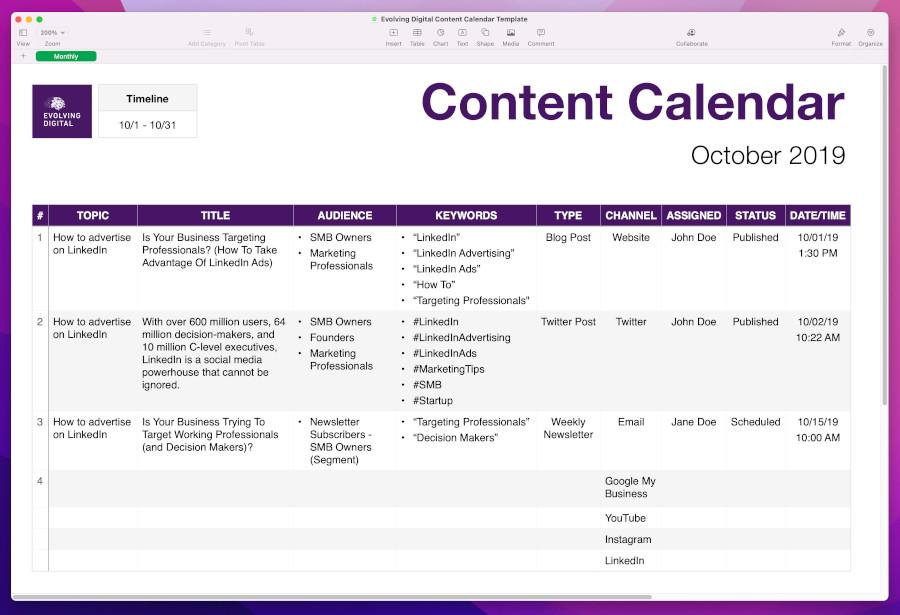
In the fast-paced world of digital content creation, a well-organized blog can set you apart from the competition and position you as a leading voice in your niche. Yet, many aspiring bloggers find themselves struggling to consistently produce high-quality content that resonates with their audience. The secret to unlocking your blog’s full potential lies in the power of a content calendar. This strategic tool not only helps you plan your posts effectively but also ensures that your message remains cohesive and timely. In this comprehensive guide, we’ll walk you through the steps to master your blog by creating and implementing a content calendar that aligns with your goals, maximizes engagement, and keeps your creative juices flowing. Whether you’re just starting out or looking to refine your existing strategy, our step-by-step approach will equip you with the insights and tools you need to elevate your blogging game and connect with your readers like never before. Let’s dive in!
Table of Contents
- Understanding the Importance of a Content Calendar for Blogging Success
- Key Components of an Effective Content Calendar
- Crafting Engaging Content Ideas: Strategies and Tips
- Maximizing Productivity with Your Content Calendar
- To Conclude
Understanding the Importance of a Content Calendar for Blogging Success
In the fast-paced world of blogging, a content calendar serves as your roadmap to success. It not only helps streamline your writing process but also ensures that you stay consistent and relevant in your niche. A well-structured calendar allows you to plan upcoming topics, deadlines, and promotional strategies, which can significantly enhance your blog’s overall performance. By overseeing your content schedule visually, you can identify gaps, avoid redundancy, and strategically align with seasonal trends or important dates in your industry.
Moreover, utilizing a content calendar promotes collaboration if you’re working with a team. With designated responsibilities and deadlines clearly displayed, team members can contribute cohesively without miscommunication. Here are some key benefits of maintaining a content calendar:
- Content Variety: Plan diverse topics to engage different segments of your audience.
- Consistent Posting: Maintain a steady flow of content to keep readers engaged.
- Time Management: Allocate dedicated time for research and writing, avoiding last-minute scrambles.
- Performance Tracking: Analyze which topics resonate most, informing future content decisions.
By establishing a routine with your calendar, you empower yourself to create high-quality, engaging posts that resonate with your audience. Let’s take a quick look at a sample monthly content calendar layout:
| Week | Blog Post Title | Target Audience | Promotion Date |
|---|---|---|---|
| 1 | 5 Tips for Beginner Bloggers | New Bloggers | First Monday |
| 2 | SEO Strategies for Better Visibility | Veteran Bloggers | Second Monday |
| 3 | Content Marketing Trends in 2024 | Marketing Professionals | Third Monday |
| 4 | Interview with a Successful Blogger | All Readers | Fourth Monday |
Key Components of an Effective Content Calendar
To craft a content calendar that serves as a backbone for your blog, start by defining your goals. Establish what you aim to achieve—whether it’s increasing traffic, boosting engagement, or promoting a product. Clarifying these objectives will guide your content creation and help align your themes and topics. Consider also your target audience: understanding their preferences and needs enables you to tailor content that resonates deeply. Assess the content types you plan to produce, such as blog posts, videos, or infographics, and decide how often each type will be published.
Another essential component is maintaining flexibility in your calendar. While having scheduled posts is vital, allow room for spontaneity to capture trending topics or evolving events that might interest your audience. Utilize a colour-coding system or tags to easily differentiate between content types and themes. Here’s a simple table that can help illustrate this categorization:
| Content Type | Frequency | Notes |
|---|---|---|
| Blog Posts | 2x per week | Focus on SEO-friendly topics |
| Videos | 1x every two weeks | Use blog content as a script |
| Infographics | 1x per month | Summarize key blog topics |
Crafting Engaging Content Ideas: Strategies and Tips
Generating fresh and captivating content ideas is essential for maintaining an engaging blog. Start by tapping into trending topics by leveraging tools such as Google Trends and social media platforms. Additionally, consider the following strategies to spark your creativity:
- Audience Engagement: Interact with your audience through polls and comments to discover their preferences.
- Competitor Analysis: Review similar blogs to identify gaps in content that you can fill.
- Seasonal Themes: Align your content with holidays, seasons, or current events to remain relevant.
- Personal Experiences: Share anecdotes or lessons learned from your own journey to create relatable content.
Utilizing a content calendar can streamline the process of generating ideas while ensuring a consistent flow of content. Structure your calendar by categories and themes to maintain variety and interest. Here’s a simple example of how to organize your content calendar:
| Week | Content Theme | Post Type | Publishing Date |
|---|---|---|---|
| 1 | Productivity Tips | Listicle | Monday |
| 2 | SEO Strategies | How-To Guide | Wednesday |
| 3 | Behind the Scenes | Personal Story | Friday |
Maximizing Productivity with Your Content Calendar
Creating and maintaining an effective content calendar can significantly enhance your productivity. With a well-structured calendar, you can plan your themes, topics, and posting schedules in advance, enabling you to allocate time efficiently for research, writing, and editing. This proactive approach helps minimize last-minute rushes, ensuring each piece of content is thoroughly crafted and aligned with your overall strategy. By categorizing your content types, such as blogs, videos, or social media posts, you can balance various formats and engage your audience through diverse channels.
To make the most of your content calendar, consider implementing the following strategies:
- Set clear goals: Define what you want to achieve with each piece of content, whether it’s increasing engagement or driving traffic.
- Incorporate deadlines: Assign specific dates for content creation and publication to keep you on track.
- Review regularly: Assess your content’s performance and adjust your calendar accordingly to reflect your audience’s preferences.
- Collaborate: If you work with a team, ensure everyone has access to the calendar and their responsibilities are clearly outlined.
Here’s an example table to illustrate how you can use a content calendar to track your posts:
| Date | Topic | Content Type | Status |
|---|---|---|---|
| March 5, 2023 | Maximizing Productivity | Blog Post | Draft |
| March 12, 2023 | Social Media Engagement Techniques | Video | Planned |
| March 19, 2023 | Email Marketing Best Practices | Blog Post | Published |
To Conclude
mastering your blog through an effective content calendar is not just a strategic move; it’s a foundational step towards achieving your blogging goals. By diligently planning your content, you open the door to consistent engagement, higher quality posts, and a more organized workflow. Whether you’re a brand-new blogger or a seasoned pro looking to refine your process, adopting a content calendar can transform how you approach your writing and your audience.
Remember, the key to success lies in flexibility and regular evaluation of your calendar. Adjust your topics based on reader feedback, seasonal trends, or emerging industry news to keep your content fresh and relevant. Embrace the planning phase, and allow it to enhance your creativity rather than stifle it.
Thank you for joining us on this journey to mastering your blog. We hope this guide has provided you with the tools and insights necessary to take your content to the next level. Start crafting your content calendar today, and watch as your blog flourishes! Happy blogging!