

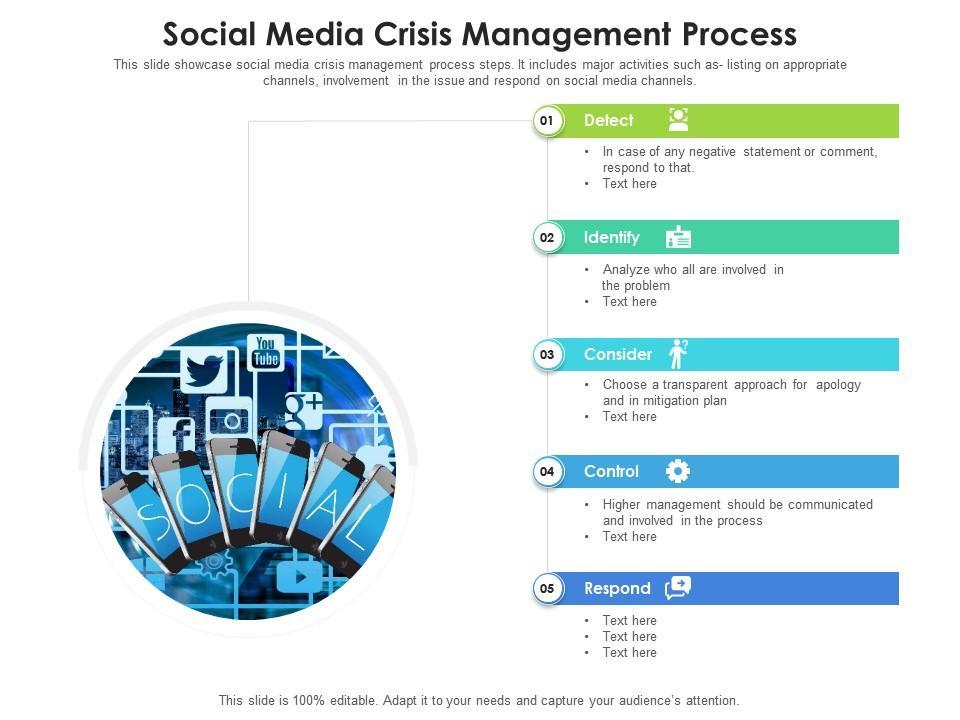
In today’s hyper-connected world, social media has become a double-edged sword for brands and organizations. On one hand, it offers unprecedented opportunities for engagement, storytelling, and community building; on the other, it poses significant risks when crises strike. A single misstep or unforeseen event can escalate quickly, drawing attention and scrutiny from the public and media alike. This is why mastering social media isn’t just about crafting enticing posts or amassing followers—it’s about preparing for the unexpected. In this article, we will delve into the essentials of crafting a robust crisis management plan specifically tailored for social media. We’ll explore best practices, real-world case studies, and practical strategies that will empower you to navigate turbulent times with confidence, ensuring that your brand emerges resilient and trustworthy in the eyes of your audience. Whether you are a seasoned marketer or a newcomer to the digital landscape, understanding the dynamics of crisis communication on social media is crucial in today’s fast-paced environment. Let’s dive in and equip ourselves with the tools to face crises head-on, turning potential pitfalls into opportunities for growth and connection.
Table of Contents
- Understanding the Social Media Landscape in Crisis Situations
- Identifying Potential Crises and Developing Preemptive Strategies
- Crafting Your Communication Plan: Key Messages and Channels
- Measuring Success and Adapting Your Strategy for Future Incidents
- To Wrap It Up
Understanding the Social Media Landscape in Crisis Situations
In today’s fast-paced digital world, the role of social media in crisis situations cannot be overstated. With millions of users engaged on platforms like Twitter, Facebook, and Instagram, timely and transparent communication during a crisis has become essential. Organizations must recognize that misinformation can spread rapidly, and public sentiment can shift in an instant. This reality necessitates a proactive approach where brands anticipate potential crises and prepare their response strategies accordingly. A well-crafted playbook can help to ensure that messages are clear, coherent, and consistent across all channels.
To effectively navigate the complex social media landscape during crises, organizations should focus on several key strategies:
- Monitoring: Utilize tools to track mentions and sentiment across platforms.
- Engagement: Respond promptly to inquiries and concerns with empathy and transparency.
- Content Strategy: Develop pre-approved messaging scenarios to maintain clarity and reduce reaction time.
- Assessment: After the crisis, analyze the response to refine future strategies.
| Platform | Best Use | Monitoring Tool |
|---|---|---|
| Real-time updates | TweetDeck | |
| Engaging with community | Hootsuite | |
| Visual storytelling | Sprout Social |
Identifying Potential Crises and Developing Preemptive Strategies
In today’s fast-paced digital landscape, organizations must remain vigilant in identifying potential crises before they escalate. This involves conducting a thorough assessment of your brand’s online presence, engaging with your audience, and monitoring conversations that could spark public backlash. Effective crisis identification entails:
- Regularly monitoring social media channels for emerging trends and sentiments.
- Establishing clear communication lines with stakeholders to gauge mood and feedback.
- Utilizing analytical tools to track mentions of your brand across various platforms.
Once potential crises are identified, the next step is designing proactive strategies to mitigate their impact. Preemptive measures can significantly reduce negative fallout and maintain your brand’s reputation. Consider implementing:
| Strategy | Description |
|---|---|
| Preparedness Training | Conduct regular crisis simulation exercises to empower your team. |
| Clear Guidelines | Develop a comprehensive crisis communication plan with defined roles. |
| Engagement Protocols | Establish guidelines for timely and authentic engagement during a crisis. |
Crafting Your Communication Plan: Key Messages and Channels
To effectively navigate a crisis, it’s essential to develop key messages that resonate with your audience and align with your organizational values. These messages should be clear, concise, and consistent across all platforms. Consider the following points while crafting your core messages:
- Transparency: Be open about what is happening to build trust.
- Empathy: Acknowledge the feelings and concerns of your audience.
- Action: Clearly communicate the steps your organization is taking to address the crisis.
Equally important is selecting the right channels for dissemination. Each platform serves a unique purpose and reaches different segments of your audience. Utilize a diverse mix of channels, such as:
- Social Media: Quick updates and real-time engagement.
- Email: Detailed communication to stakeholders.
- Press Releases: Formal announcements to media outlets.
To visualize your communication approach, consider the table below that highlights channel effectiveness:
| Channel | Effectiveness | Best For |
|---|---|---|
| Social Media | High | Real-time updates |
| Moderate | Targeted outreach | |
| Website | High | Centralized information |
| Press Releases | Moderate | Official statements |
Measuring Success and Adapting Your Strategy for Future Incidents
Assessing the effectiveness of your crisis management strategy is essential for continuous improvement. By setting clear, measurable goals, you can evaluate how well your plans performed during an incident. Consider assembling a team to review metrics such as response time, audience engagement, sentiment analysis, and reach. Notable metrics to track include:
- Engagement Rate: Analyze likes, shares, comments, and interactions across platforms.
- Response Time: Measure the time taken to respond to inquiries and comments during a crisis.
- Sentiment Analysis: Assess the tone of social media conversations around your brand pre- and post-incident.
Once you’ve gathered the data, it’s time to adapt your strategy. Identifying patterns and trends will allow you to understand what worked and what didn’t, leading to refinements in your approach. Engage with your team and stakeholders to discuss findings and develop action points. Consider organizing a post-incident review meeting to address key takeaways. Here’s a simple outline for reference:
| Area of Focus | Findings | Action Points |
|---|---|---|
| Response Strategies | Too slow to engage | Improve monitoring tools |
| Content Effectiveness | Higher engagement on visuals | Incorporate more multimedia |
| Platform Performance | Twitter had the most mentions | Enhance Twitter specific strategies |
To Wrap It Up
mastering social media during a crisis is not just about damage control; it’s about seizing an opportunity to build trust and transparency with your audience. A well-crafted crisis management plan can position your brand as a leader in crisis communication and can minimize the impact of unexpected challenges.
As you develop your strategy, remember that preparation is key. Stay proactive by continuously monitoring your social media channels, engaging with your audience, and refining your plan based on real-time feedback and evolving trends. By fostering strong relationships and maintaining an open dialog, you can mitigate potential fallout and emerge from a crisis not only unscathed but strengthened.
Don’t wait for a crisis to strike; take charge of your narrative today. Start crafting your crisis management plan, and ensure that when the unexpected occurs, you’re ready to respond swiftly and effectively. After all, in the world of social media, your reputation can change in a heartbeat—make sure that you’re equipped to navigate those turbulent waters with confidence and grace. Thank you for joining us on this journey to enhance your social media mastery. Stay vigilant and stay connected!