

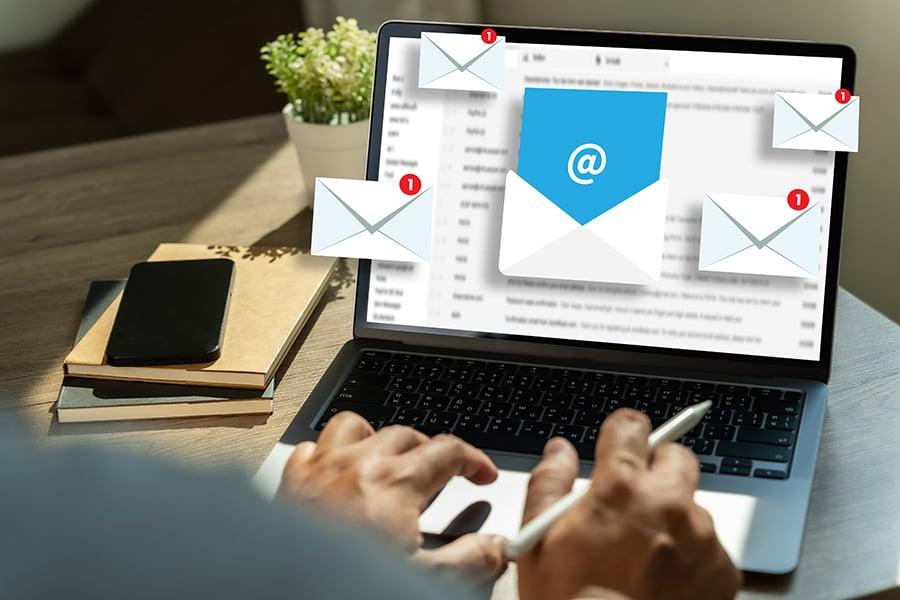
In today’s digitally-driven world, effective communication is the cornerstone of any successful e-commerce strategy. While social media and online ads have their place, email marketing remains one of the most powerful tools in your arsenal. With an impressive return on investment and the ability to cultivate meaningful relationships with your customers, mastering email marketing can transform how you engage with your audience and drive sales.
In this comprehensive guide, we will delve into the essentials of email marketing for e-commerce, offering insights and strategies to refine your approach. From building a targeted email list to crafting compelling content that converts, we’ll explore the best practices that can elevate your email campaigns and enhance customer loyalty. Whether you’re a seasoned marketer looking to fine-tune your tactics or a newcomer eager to make your mark, understanding the nuances of email marketing is key to achieving e-commerce success. Let’s unlock the potential of your email strategy and set your brand on the path to growth!
Table of Contents
- Understanding Your Audience and Crafting Targeted Campaigns
- Building an Engaging Email List: Strategies for Growth
- Creating Compelling Content That Drives Conversions
- Analyzing Performance Metrics to Optimize Email Marketing Efforts
- Insights and Conclusions
Understanding Your Audience and Crafting Targeted Campaigns
To effectively engage your audience, it’s crucial to gather insights into their preferences, behaviors, and pain points. Utilize tools such as surveys, analytics, and social listening to build a comprehensive profile of your customers. This information will help you identify segments within your audience, allowing for the creation of tailored messages that resonate deeply. Consider categorizing your audiences based on factors such as:
- Demographics: Age, gender, location
- Purchase behavior: Frequency, average order value
- Engagement level: Open rates, click-through rates
Once you’ve segmented your audience, it’s time to craft campaigns that speak directly to each group’s interests and needs. Develop targeted email content that incorporates personalized subject lines, dynamic product recommendations, and exclusive offers aimed at specific segments. A well-structured email should include:
| Element | Description |
|---|---|
| Subject Line | Catchy and personalized to grab attention |
| Body Content | Relevant information and storytelling tailored to the audience |
| Call to Action | Clear guidance on the next steps you want the recipient to take |
Building an Engaging Email List: Strategies for Growth
To cultivate a robust email list, it’s paramount to adopt strategies that resonate with your audience and incentivize them to subscribe. Start by offering value-driven content that encourages visitors to share their email addresses. This could be in the form of exclusive discounts, early access to new products, or informative content tailored to their interests. Additionally, leveraging social proof can significantly enhance subscription rates; featuring testimonials or success stories can build trust and entice potential subscribers to join your list. Consider the following strategies:
- Create High-Value Lead Magnets: Offer free guides, eBooks, or checklists relevant to your products.
- Use Pop-Up Forms Wisely: Implement timed or exit-intent pop-ups that present an enticing offer just as users are about to leave your site.
- Host Contests and Giveaways: Encourage users to enter competitions by providing their email addresses, increasing engagement while expanding your list.
Moreover, maintaining a growing email list requires nurturing and engaging your subscribers post-signup. Establishing a welcome email series can effectively set the tone for your relationship, ensuring new subscribers feel appreciated and informed. Segmenting your list based on user preferences, behaviors, or purchase history allows for personalized content, leading to higher open and conversion rates. Consider implementing an editorial calendar that includes:
| Content Type | Frequency | Purpose |
|---|---|---|
| Welcome Emails | 1 per new signup | Establish connection and share value prospects. |
| Product Updates | Weekly | Keep subscribers informed about new arrivals and promotions. |
| Engaging Newsletters | Bi-weekly | Provide tips, stories, and relevant content to maintain interest. |
Creating Compelling Content That Drives Conversions
When it comes to email marketing, crafting content that resonates with your audience is crucial for enhancing conversions. Focus on value-driven messages that speak directly to your customers’ needs and preferences. Begin by segmenting your email list based on demographics, purchase history, and engagement levels. This allows you to create tailored content that feels personal and relevant. Use compelling subject lines that pique curiosity and create urgency, encouraging recipients to open your emails. Incorporating high-quality visuals and concise, impactful copy can also help convey your messages more effectively.
Furthermore, consider integrating calls-to-action (CTAs) that are clear and enticing. Here are some strategies to implement successful CTAs:
- Use action-oriented language like “Shop Now” or “Get Your Discount”
- Highlight limited-time offers to create a sense of urgency
- Position CTAs strategically within the email for maximum visibility
To further enhance your email marketing effectiveness, keep track of key metrics such as open rates and conversion rates. Ensure you test different content formats and layouts, and don’t shy away from using A/B testing to refine your approach. Consistent analysis will help you understand what resonates best with your audience and ultimately lead to improved sales and customer loyalty.
Analyzing Performance Metrics to Optimize Email Marketing Efforts
To enhance your email marketing strategy effectively, it is crucial to evaluate key performance metrics systematically. By focusing on essential KPIs, you can gain insights into user engagement and campaign success. Consider analyzing metrics such as:
- Open rates: Measure the percentage of recipients who open your emails.
- Click-through rates (CTR): Determine how many recipients clicked on the call-to-action links.
- Conversion rates: Assess the percentage of users who completed a desired action after clicking through your email.
- Bounce rates: Monitor the number of emails that could not be delivered.
- Unsubscribe rates: Track how many users opted out of your mailing list.
Once you’ve gathered this data, take time to segment your audience based on their behavior and preferences. This allows you to craft highly targeted emails that resonate with distinct buyer personas. A simple table can help you visualize your email performance and identify areas for improvement:
| Metrics | Value | Action Required |
|---|---|---|
| Open Rate | 25% | Improve subject lines |
| Click-through Rate | 7% | Optimize content and CTAs |
| Conversion Rate | 2% | Enhance landing page experience |
| Bounce Rate | 1% | Clean email list |
| Unsubscribe Rate | 0.5% | Assess content relevance |
By monitoring these metrics closely and adapting your strategy accordingly, you’ll not only improve your current campaigns but also build a more robust email marketing plan that drives substantial e-commerce success over time.
Insights and Conclusions
mastering email marketing is not just an option for e-commerce success; it’s a necessity. By harnessing the power of targeted campaigns, personalized content, and strategic automation, you can cultivate robust relationships with your customers and drive substantial revenue growth. Remember, effective email marketing goes beyond merely sending promotions—it’s about storytelling, building trust, and delivering real value to your audience.
As you embark on this journey, keep testing and refining your strategies to adapt to the ever-evolving landscape of e-commerce. Stay informed about the latest trends and tools to ensure your email marketing campaigns resonate with your audience and meet their expectations.
By implementing the insights we’ve shared in this guide, you’re not just sending emails; you’re building a sustainable communication channel that can significantly enhance your brand’s visibility and profitability. Start today, and watch as your e-commerce business thrives through the power of email marketing. Happy emailing!