

In the digital age, where communication dynamics evolve faster than ever, email marketing remains a cornerstone strategy for businesses aiming to connect with their audience. However, the effectiveness of your email campaigns hinges on a critical element: your email list. A well-managed list not only enhances engagement but also ensures your messages reach the right people at the right time. Yet, many organizations grapple with the challenges of maintaining an organized and responsive email database. In this article, we will explore essential strategies for mastering email list management, focusing on both engagement techniques and cleanliness practices. Whether you’re just starting out or looking to refine your existing processes, these tips will help you cultivate a thriving email audience that drives results and fosters meaningful connections. Join us as we delve into the art and science of effective email list management and transform your email marketing efforts.
Table of Contents
- Strategies for Building a Quality Email List that Lasts
- Best Practices for Segmenting Your Audience to Maximize Engagement
- Effective Techniques for Maintaining List Cleanliness and Reducing Bounce Rates
- Utilizing Analytics to Drive Email Campaign Success and Optimize Engagement
- The Way Forward
Strategies for Building a Quality Email List that Lasts
Building a quality email list requires a thoughtful approach that prioritizes engagement and trust. Start by offering incentives that resonate with your target audience, such as exclusive content, discounts, or early access to new products. This encourages potential subscribers to willingly share their information. Additionally, ensure that your sign-up forms are easily accessible and user-friendly, minimizing the friction for users who wish to subscribe. Consider integrating these forms into high-traffic areas of your website, such as your homepage, blog posts, or even through pop-ups that offer immediate value.
Regularly cleaning your email list is just as crucial as building it. Implement a strategy to promptly remove inactive subscribers, as keeping them can skew your metrics and reduce your overall engagement rates. Here are some best practices for maintaining a robust list:
- Regularly segment your audience based on interactions and preferences.
- Run periodic re-engagement campaigns to win back dormant subscribers.
- Utilize double opt-in methods to ensure that subscribers genuinely want to hear from you.
Make it a habit to analyze your email performance metrics; this includes open rates, click-through rates, and unsubscribe rates. This data will not only inform your email strategy but will also help you refine your targeting and content delivery.
Best Practices for Segmenting Your Audience to Maximize Engagement
To enhance engagement through your email marketing efforts, it’s crucial to segment your audience effectively. This tailored approach allows you to address the unique interests and behaviors of different groups within your subscriber list. Consider segmenting based on attributes such as:
- Demographics: Age, gender, location, and income level can significantly influence purchasing behavior.
- Behavioral Data: Engage users based on their past interactions, including email opens, clicks, and purchase history.
- Purchase Cycle: Identify where subscribers are in their buying journey to send the most relevant messages.
Additionally, leveraging dynamic content in your emails can further increase relevance and engagement. By utilizing an email service provider that allows for dynamic segments, you can personalize emails in real-time based on individual subscriber characteristics. The following table illustrates effective segmentation strategies alongside their engagement benefits:
| Segmentation Strategy | Engagement Benefit |
|---|---|
| Location-based Segmentation | Increased relevance with local offers and events. |
| Interest-based Segmentation | Higher open rates by targeting specific themes and products. |
| Frequency Segmentation | Optimized sending schedule to match user engagement patterns. |
Effective Techniques for Maintaining List Cleanliness and Reducing Bounce Rates
Keeping your email list clean is crucial for enhancing engagement and reducing bounce rates. One of the most effective techniques is to implement a double opt-in process. This method requires subscribers to confirm their email address after signing up, ensuring that they genuinely want to receive your content. Additionally, regularly evaluating your list is essential. Identify and remove inactive subscribers who haven’t opened emails in the past six months. This not only improves your metrics but also helps maintain a healthy sender reputation.
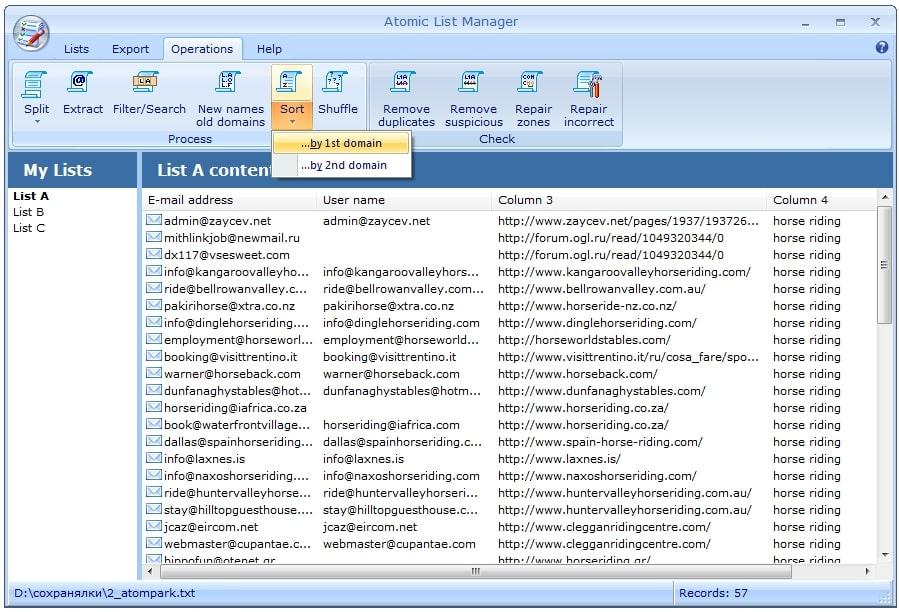
Another strategy to consider is segmenting your list based on user behavior and preferences. By tailoring your emails to specific groups within your audience, you can significantly increase open rates and engagement. Utilizing cleaning tools can also automate the process of validating email addresses, catching typos or invalid domains before they become a problem. Here’s a quick comparison of some popular email verification tools:
| Tool | Features | Pricing |
|---|---|---|
| NeverBounce | Real-time verification, API integration | Pay-as-you-go |
| ZeroBounce | Email appending, list cleaning | Subscription-based |
| Hunter | Email finder, verification tool | Free tier available |
Utilizing Analytics to Drive Email Campaign Success and Optimize Engagement
In today’s competitive landscape, harnessing the power of analytics is pivotal for maximizing the effectiveness of your email campaigns. By diving into metrics such as open rates, click-through rates, and conversion rates, you can identify what resonates with your audience and refine your strategies accordingly. Segmentation is key; by categorizing your email list based on user behavior or demographics, you can tailor your messages for higher relevance. Additionally, A/B testing your subject lines and content can provide insights into consumer preferences, allowing you to optimize each campaign for better results.
Furthermore, consistent analysis enables you to monitor engagement trends and pinpoint potential issues early on. Consider implementing tools that track engagement over time, enabling you to adjust your strategies proactively. Data-driven decisions can facilitate better list management practices, such as regularly cleaning your list based on engagement metrics. Below is a simple structure to help track your engagement metrics:
| Email Campaign | Open Rate (%) | Click-Through Rate (%) | Conversion Rate (%) |
|---|---|---|---|
| Campaign A | 25% | 10% | 2% |
| Campaign B | 30% | 15% | 3% |
| Campaign C | 27% | 12% | 2.5% |
The Way Forward
effective email list management is not just a matter of organization; it’s a strategic imperative that directly impacts your engagement rates and overall marketing success. By implementing the tips we’ve discussed—such as regular list cleaning, segmenting your audience, and personalizing your communications—you’ll not only foster stronger relationships with your subscribers but also enhance your overall campaign performance. Remember, a clean and engaging email list is the foundation of a successful email marketing strategy.
As you incorporate these best practices into your routine, keep in mind that the landscape of digital communication is ever-evolving. Stay adaptable, continually refine your approach based on insights and feedback, and don’t hesitate to experiment with new techniques. Your subscribers will appreciate the effort, and you’ll see the positive results reflected in your metrics.
Thank you for joining us on this journey to mastering email list management. Here’s to building a clean, engaged, and thriving subscriber base that helps your business grow! If you have any questions or would like to share your own tips, feel free to leave a comment below or reach out to us. Happy emailing!