

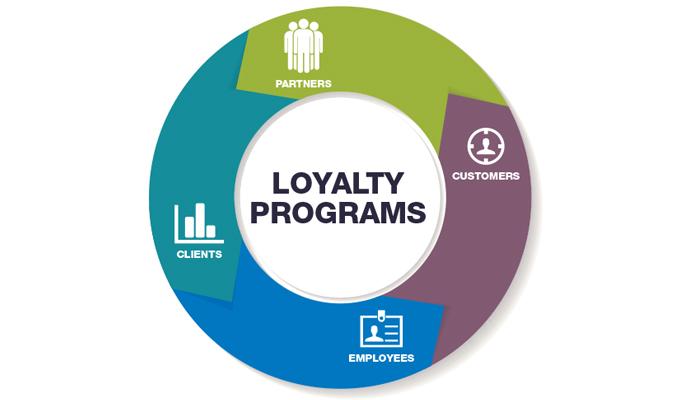
In today’s hyper-competitive online marketplace, maintaining customer loyalty is more crucial than ever. With countless options at consumers’ fingertips, it can be challenging for e-commerce businesses to stand out and foster lasting relationships with their customers. Enter loyalty programs – a powerful tool that not only drives repeat purchases but also transforms casual shoppers into devoted brand advocates. In this comprehensive guide, we will explore the intricacies of effectively designing and implementing loyalty programs that resonate with your audience. From understanding consumer psychology to leveraging technology for personalized experiences, join us as we delve into the strategies that can elevate your e-commerce business and keep your customers coming back for more. Whether you’re a seasoned entrepreneur or just starting your online venture, mastering the art of loyalty programs is key to unlocking sustainable growth and success in the digital realm.
Table of Contents
- Understanding Customer Behavior to Tailor Loyalty Programs
- Key Elements of Successful Loyalty Programs
- Implementing Technology for Seamless Customer Experiences
- Measuring the Impact of Loyalty Initiatives on Revenue and Retention
- In Summary
Understanding Customer Behavior to Tailor Loyalty Programs
To create loyalty programs that resonate with your customers, it’s essential to analyze their behavior and preferences meticulously. Understanding what drives customers to engage, purchase, and return to your brand allows you to design programs that are not only appealing but also relevant. By evaluating data such as shopping patterns, purchase frequency, and product preferences, businesses can personalize their offerings. For instance, consider segmenting your customer base into groups based on their shopping habits, such as:
- Frequent Buyers: Those who make regular purchases.
- Occasional Shoppers: Customers who buy but not consistently.
- High-Value Customers: Individuals who spend more than average.
Once you’ve identified these segments, tailor your loyalty programs accordingly. Offering personalized rewards, such as exclusive discounts, early access to sales, or points on future purchases, motivates different types of customers to engage with your brand on a deeper level. The effectiveness of loyalty programs can be enhanced further by employing a reward structure that aligns with customer behavior. A straightforward reward table can help clarify the benefits:
| Customer Segment | Suggested Reward |
|---|---|
| Frequent Buyers | 5% off each purchase |
| Occasional Shoppers | 10% off on 3rd purchase |
| High-Value Customers | Exclusive invites to VIP sales |
Key Elements of Successful Loyalty Programs
Successful loyalty programs thrive on a foundation built upon customer understanding and engagement. Businesses must invest time in analyzing customer behavior, preferences, and feedback to tailor their offerings effectively. With the right data, brands can craft personalized experiences that resonate with their audience. Incorporating elements such as gamification can further enhance engagement, encouraging customers to interact more frequently and earn rewards in fun, meaningful ways. Moreover, establishing a clear value proposition assures customers that their participation translates into tangible benefits, reinforcing their commitment to the program.
The structure of rewards is equally crucial; businesses should design a tiered system that incentivizes loyalty and fosters long-term relationships. For instance, customers should receive escalating rewards that entice them to spend more over time. The following table illustrates an example of a tiered rewards structure that a brand might employ:
| Tier | Spending Requirement | Rewards |
|---|---|---|
| Bronze | $0 – $199 | 5% off every purchase |
| Silver | $200 – $499 | 10% off + birthday gift |
| Gold | $500+ | 15% off + exclusive early access to sales |
In addition, communication plays a pivotal role in maintaining customer relationships. Regular updates via email, social media, or mobile notifications about rewards status and upcoming promotions keep customers engaged. Offering exclusive member-only content or sneak peeks of new products can deepen this relationship, ensuring that customers feel valued and connected to the brand.
Implementing Technology for Seamless Customer Experiences
In today’s rapidly evolving e-commerce landscape, leveraging the right technology is paramount for creating exceptional customer experiences. Personalization is key; utilizing advanced data analytics allows businesses to tailor offers and recommendations to individual preferences. By deploying AI-driven chatbots, companies can provide instant customer support, addressing inquiries at any time and enhancing user satisfaction. Furthermore, integrating multi-channel communication ensures that customers can interact seamlessly across various platforms, whether it’s through email, social media, or live chat. This connectivity empowers brands to foster loyalty and enhance the overall shopping journey.
Additionally, investing in robust loyalty program software can transform how businesses engage with their customers. Through the implementation of reward systems, companies can encourage repeat purchases and deepen customer relationships. Features like tiered membership levels and bonus rewards for specific behaviors create motivation for customers to return. To further illustrate the effectiveness of technology in customer loyalty programs, consider the following aspects:
| Benefit | Impact |
|---|---|
| Enhanced Data Insights | Allows for tailored marketing strategies |
| Automated Communication | Ensures timely updates and reminders |
| Mobile Accessibility | Facilitates on-the-go engagement |
By prioritizing these technological enhancements, brands can not only streamline their operations but also ensure that customer experiences remain at the forefront. The shift towards digital solutions is not just about keeping pace with competitors—it’s about reimagining customer engagement and building meaningful connections that drive loyalty and growth.
Measuring the Impact of Loyalty Initiatives on Revenue and Retention
In the quest to boost both revenue and customer retention, measuring the impact of loyalty initiatives is crucial. Data-driven insights allow e-commerce businesses to tailor their strategies effectively. Key metrics to monitor include:
- Customer Lifetime Value (CLV): Understanding how much revenue a customer generates over time helps in assessing the long-term effectiveness of loyalty programs.
- Repeat Purchase Rate (RPR): This metric indicates the percentage of customers who make consecutive purchases, reflecting loyalty.
- Churn Rate: Analyzing the rate at which customers stop engaging reveals the success of retention efforts.
- Average Order Value (AOV): Increases in AOV after implementing loyalty initiatives can signify a successful program.
Utilizing a structured approach to analyze these metrics can unlock insights about the customer journey and loyalty program effectiveness. Consider employing a table to track the data over specific periods:
| Metric | Before Loyalty Program | After Loyalty Program | Percentage Change |
|---|---|---|---|
| Customer Lifetime Value | $120 | $175 | 46% |
| Repeat Purchase Rate | 30% | 50% | 67% |
| Churn Rate | 20% | 12% | 40% |
| Average Order Value | $30 | $45 | 50% |
By continually refining these measurements, e-commerce platforms can optimize their loyalty strategies, ensuring they not only retain customers but also enhance their overall financial performance.
In Summary
mastering e-commerce is as much about securing sales as it is about nurturing enduring relationships with your customers. Effective loyalty programs can be the catalyst for cultivating brand loyalty, encouraging repeat business, and ultimately driving long-term growth. By understanding your customers’ needs and tailoring rewards that resonate with them, you not only enhance their shopping experience but also create a community around your brand.
As you implement and refine your loyalty strategies, remember that flexibility and adaptability are key. The e-commerce landscape is ever-evolving, and staying attuned to both market trends and customer feedback will empower you to make informed decisions that elevate your program. So take the leap, invest in the loyalty of your customers, and watch as your e-commerce business flourishes.
Thank you for reading our guide. We hope it has provided you with valuable insights and actionable strategies to develop a loyalty program that sets you apart in the competitive e-commerce market. Here’s to building lasting connections and driving success together!