

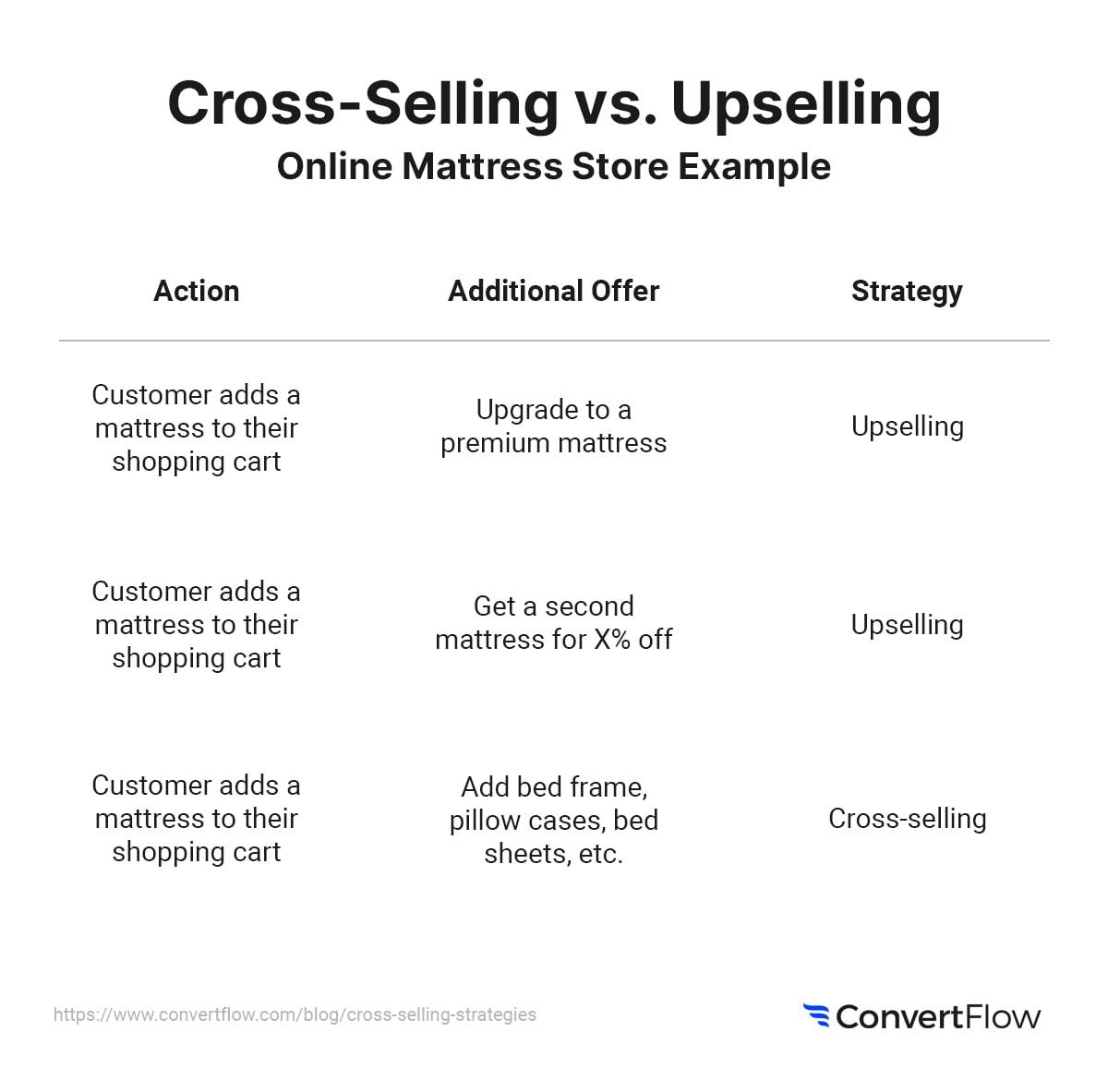
In the competitive world of e-commerce, maximizing revenue isn’t just about attracting new customers; it’s equally about leveraging existing relationships to drive sales. This is where the art of cross-selling and upselling comes into play. These strategic techniques not only enhance the shopping experience for your customers but also create significant opportunities for increasing average order value and boosting loyalty. In this article, we’ll delve into proven cross-selling and upselling strategies that can transform your online store. By understanding customer behavior and utilizing tailored approaches, you can effectively cultivate a shopping environment that encourages shoppers to discover more value within their purchases. Whether you’re a seasoned e-commerce pro or just starting your online journey, mastering these techniques will be pivotal in paving the way for sustainable growth and success. Let’s explore how you can seamlessly integrate these strategies into your sales process and watch your revenue soar.
Table of Contents
- Understanding the Psychology Behind Cross-Selling and Upselling Techniques
- Crafting Personalized Shopping Experiences to Enhance Sales
- Leveraging Data Analytics for Targeted Recommendations
- Implementing Effective Communication Strategies to Drive Conversions
- In Conclusion
Understanding the Psychology Behind Cross-Selling and Upselling Techniques
Understanding the motivations and behaviors of customers is crucial for successfully implementing cross-selling and upselling strategies. Psychological principles play a significant role in influencing purchasing decisions. For instance, the concept of reciprocity suggests that customers are more likely to purchase additional items when they feel they’ve received value in some form, such as a special offer or personalized suggestion. Additionally, the scarcity principle indicates that when customers perceive a product as limited or exclusive, they may be more inclined to act quickly, reducing their sensitivity to price and increasing the likelihood of an upsell.
Moreover, utilizing social proof can enhance the effectiveness of these sales techniques. By showcasing customer reviews or demonstrating that a product is popular among other buyers, e-commerce sites can instill a sense of trust and urgency in potential customers. Incorporating elements such as:
- Bundle Deals: Offering relevant products together at a discount.
- Personalized Recommendations: Using AI to suggest items based on browsing history.
- Limited-Time Offers: Highlighting time-sensitive deals to create urgency.
By understanding these psychological triggers, e-commerce businesses can tailor their cross-selling and upselling approaches to meet customer needs more effectively, ultimately driving higher conversion rates and enhancing overall customer satisfaction.
Crafting Personalized Shopping Experiences to Enhance Sales
In the competitive landscape of e-commerce, creating personalized shopping experiences is essential for driving higher sales. By leveraging customer data and analytics, businesses can tailor recommendations and promotions that resonate with individual preferences. Here are some effective strategies:
- Behavior Tracking: Monitor customers’ browsing and purchase history to understand their preferences.
- Dynamic Product Recommendations: Use algorithms to suggest products based on past purchases or similar customer behavior.
- Personalized Emails: Send targeted email campaigns featuring products that align with customers’ interests.
Additionally, implementing a seamless shopping journey can enhance the effectiveness of these personalized approaches. For instance, incorporating an intuitive interface that highlights relevant cross-sells and upsells at strategic touchpoints can significantly improve conversion rates. Consider the following structure:
| Touchpoint | Cross-Selling Example | Upselling Example |
|---|---|---|
| Product Page | Related Accessories | Premium Version |
| Shopping Cart | Buy Together Deal | Upgraded Model |
| Post-Purchase Email | Suggested Add-Ons | Welcome Package |
Leveraging Data Analytics for Targeted Recommendations
In today’s competitive e-commerce landscape, harnessing the power of data analytics is crucial for creating personalized customer experiences. By analyzing purchasing behavior, browsing patterns, and demographic information, businesses can segment their audience effectively and tailor their offerings. This data-driven approach allows companies to deliver targeted recommendations that resonate with individual customers, enhancing engagement and boosting conversion rates. For instance, businesses can employ predictive analytics to identify which products are likely to appeal to specific customer segments, thus optimizing cross-selling and upselling opportunities.
To implement a successful data analytics strategy, consider focusing on the following areas:
- Customer Segmentation: Analyze customer data to group audiences by preferences, behaviors, or purchase history.
- Behavioral Insights: Utilize tools to track user interactions and identify patterns that indicate interest in specific products.
- A/B Testing: Experiment with different product recommendations to determine which strategies yield the highest conversion rates.
Here’s a simple representation of how targeted recommendations can significantly enhance sales:
| Recommendation Type | Impact on Sales |
|---|---|
| Cross-Selling | Increase average order value by 10-30% |
| Upselling | Boost customer loyalty by enhancing perceived value |
Implementing Effective Communication Strategies to Drive Conversions
Effective communication is the cornerstone of successful cross-selling and upselling in the e-commerce landscape. By clearly articulating the value of additional products or upgrades, businesses can enhance customer experiences and drive conversions. This can be achieved through several tactics, including:
- Personalized Recommendations: Use data-driven insights to offer tailored suggestions based on individual shopping behaviors.
- Use of Visuals: Incorporate high-quality images and engaging videos to showcase additional products and their benefits.
- Timely Messaging: Implement pop-ups or site banners that highlight relevant products at the right moment in the customer journey.
Another crucial element is the clarity and simplicity of your messaging. Ensure that customers can easily understand the advantages of the suggested items. This can be effectively achieved through:
- Simple Language: Avoid jargon; use straightforward terms that resonate with shoppers.
- Clear Call to Action: Use prominent buttons that encourage customers to explore additional options.
- Social Proof: Feature customer reviews or testimonials that emphasize the positive impact of upsells and cross-sells.
In Conclusion
mastering cross-selling and upselling strategies in e-commerce is not just about driving sales; it’s about creating a personalized shopping experience that adds real value to your customers. By understanding their needs and preferences, you can not only boost your average order value but also enhance customer satisfaction and loyalty. Implementing these strategies takes time, effort, and a willingness to adapt, but the potential rewards make it well worth it.
As you refine your approach, remember to keep the lines of communication open with your customers, utilize data analytics to inform your decisions, and continuously test and tweak your strategies for optimal results. With the right mindset and techniques in place, you’ll transform your e-commerce platform into a thriving marketplace that keeps customers coming back for more.
So, are you ready to elevate your cross-selling and upselling game? Dive into these strategies, experiment with innovative ideas, and watch your business flourish. Happy selling!