

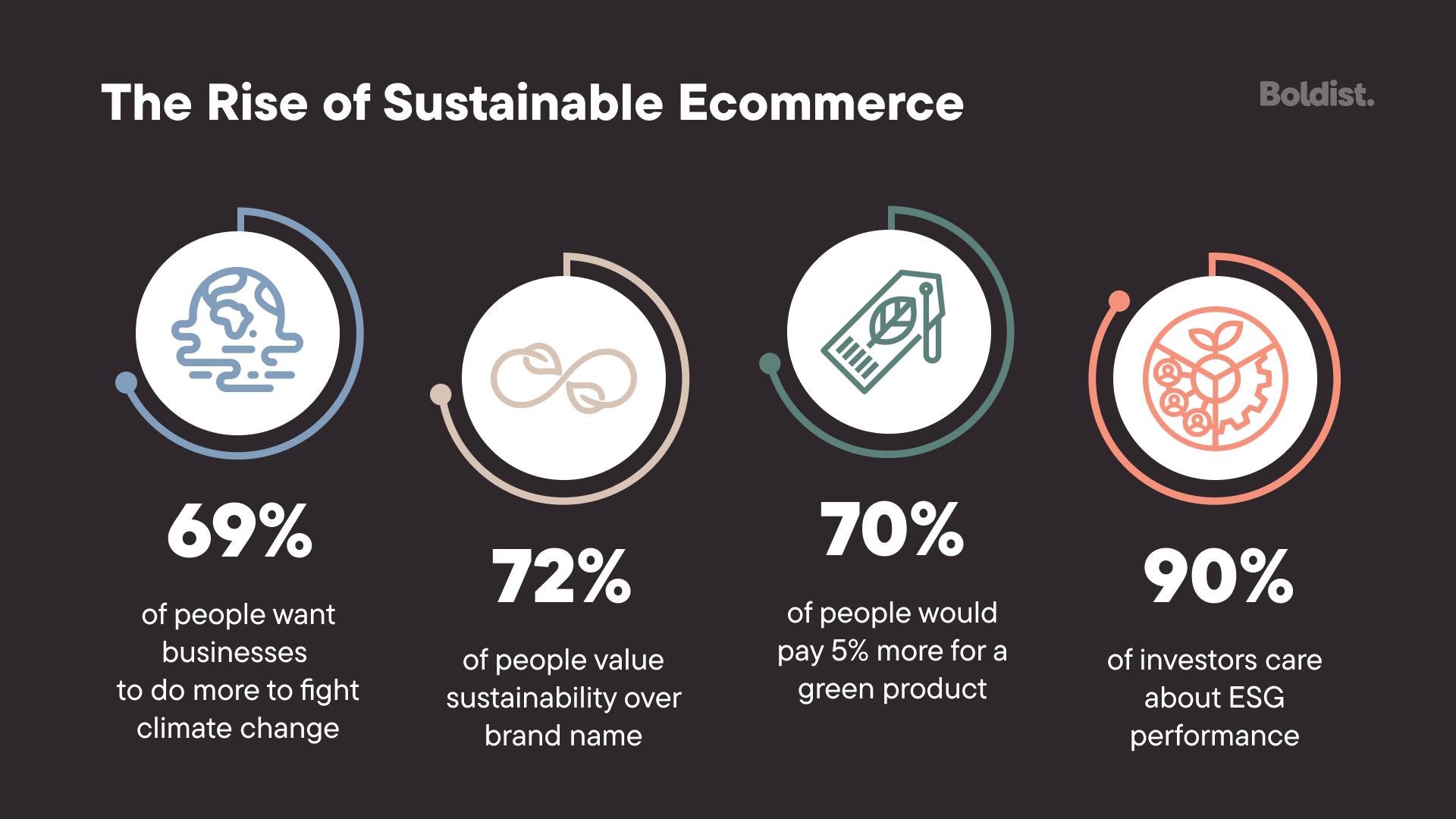
In an era where consumer consciousness is increasingly aligned with environmental responsibility, e-commerce businesses have a unique opportunity to stand out by integrating sustainability into their core operations. The convergence of digital commerce and eco-friendly practices not only bolsters brand loyalty but also meets the growing demand for products and services that prioritize our planet’s well-being. In this article, we will explore actionable tips for incorporating sustainable practices into your e-commerce strategy, ultimately paving the way for success in a competitive marketplace. Whether you are a seasoned entrepreneur or just starting, embracing sustainability can enhance your brand image, attract a thoughtful clientele, and contribute to a healthier planet—all while driving your bottom line. Let’s dive into the essential steps that can help you turn your e-commerce venture into a green success story.
Table of Contents
- Understanding the Importance of Sustainability in E-Commerce
- Implementing Eco-Friendly Packaging Solutions
- Optimizing Your Supply Chain for Sustainable Practices
- Engaging Customers with Transparency and Green Initiatives
- Future Outlook
Understanding the Importance of Sustainability in E-Commerce
As e-commerce continues to dominate the retail landscape, integrating sustainability has become more than just a trend; it’s an essential aspect of business strategy. Consumers are increasingly making conscious choices, favoring brands that prioritize eco-friendly practices and transparency. By aligning your operations with sustainable principles, you not only meet the growing demand for responsible consumption but also enhance your brand’s reputation and customer loyalty. Sustainable practices can lead to reduced waste, lower costs through efficient resource management, and increased market competitiveness.
Implementing sustainable practices in your e-commerce business can be straightforward and rewarding. Here are some key strategies to consider:
- Eco-Friendly Packaging: Opt for biodegradable, recycled, or minimal packaging to lessen your environmental footprint.
- Sustainable Sourcing: Choose suppliers and products that emphasize ethical and sustainable practices.
- Energy Efficiency: Implement energy-saving technologies in your operations to reduce your carbon emissions.
- Carbon Offsetting: Invest in carbon offset projects to compensate for emissions generated through your logistics and supply chain.
By embracing these strategies, you can create a positive impact on the planet while driving your e-commerce success.
Implementing Eco-Friendly Packaging Solutions
In today’s market, leveraging eco-friendly packaging solutions not only enhances your brand’s reputation but also appeals to environmentally conscious consumers. Transitioning to sustainable packaging options can significantly reduce your carbon footprint while delivering an impactful message about your commitment to the planet. Consider implementing the following strategies:
- Biodegradable Materials: Opt for packaging made from materials that naturally decompose, such as plant-based bioplastics or recycled paper.
- Reusable Packaging: Encourage customers to return or reuse packaging by offering incentives, fostering a circular economy.
- Minimalist Design: Focus on reducing excess packaging while maintaining protection and branding to reduce waste.
Furthermore, to track the effectiveness of your eco-friendly initiatives, it’s essential to analyse their impact. A simple metrics table can help visualize your progress toward sustainability goals:
| Metric | Before Implementation | After Implementation |
|---|---|---|
| Total Packaging Waste (lbs) | 500 | 300 |
| Customer Returns | 10% | 5% |
| Customer Satisfaction Rating | 70% | 90% |
By continually assessing these tendencies, businesses can ensure their eco-friendly efforts resonate with customers while undeniably benefiting the environment.
Optimizing Your Supply Chain for Sustainable Practices
To create a supply chain that prioritizes sustainability, begin by assessing your current processes and identifying areas for improvement. This might involve evaluating the sources of your raw materials, transportation methods, and packaging solutions. Aim for eco-friendly suppliers who are committed to sustainable practices and consider adopting local sourcing to reduce transportation emissions. Implementing technology solutions, such as inventory management systems or data analytics, can help streamline logistics and decrease waste, making your operations both efficient and environmentally responsible.
In addition to re-evaluating sourcing and logistics, focus on improving packaging strategies to minimize environmental impact. Consider using biodegradable materials or recyclable packaging solutions that enhance your brand’s eco-friendly image. It’s also beneficial to implement programs that encourage customer participation, such as reusable packaging options or incentives for recycling. To facilitate this, you can create a table for tracking key sustainability metrics, allowing you to measure progress and adjust practices as needed:
| Sustainability Metric | Current Level | Target Level | Action Plan |
|---|---|---|---|
| Percentage of Recycled Packaging | 30% | 70% | Source from eco-friendly suppliers |
| Carbon Emissions (kg/mile) | 0.5 | 0.2 | Optimize transportation routes |
| Waste Generated (kg/month) | 50 | 20 | Implement waste reduction initiatives |
Engaging Customers with Transparency and Green Initiatives
Modern consumers are increasingly drawn to brands that reflect their values, particularly in terms of sustainability and ethical practices. By being open about your sourcing, production processes, and environmental impact, you can build a trusting relationship with your customers. Engage them through transparent communication by sharing insights into your supply chain, sustainability goals, and the eco-friendly materials you use. Highlight your green initiatives in a way that resonates emotionally, perhaps by sharing stories of how your practices benefit local communities or the environment. This approach not only bolsters your brand image but also fosters loyalty among conscious consumers.
To further enhance your connection with customers, consider implementing interactive features that allow them to participate in your sustainability journey. For example, you can introduce a loyalty programme that rewards customers for recycling or a dashboard that tracks the collective impact of your buyers’ sustainable choices. Here are some innovative ideas to engage your audience:
- Eco-Scorecards: Display a rating of products based on their environmental impact.
- Customer Feedback: Encourage reviews that reflect on sustainability.
- DIY Sustainability Kits: Offer customers kits to create their own eco-friendly products.
| Green Initiative | Customer Benefit |
|---|---|
| Carbon Offset Programs | Customers feel their purchases contribute to environmental restoration. |
| Recyclable Packaging | Less waste and encouragement for others to be eco-conscious. |
| Local Sourcing | Support of local economies and reduction in carbon footprint. |
Future Outlook
As we navigate the evolving landscape of e-commerce, integrating sustainability into your business model is no longer just an option; it’s a necessity for long-term success. By adopting eco-friendly practices, from sourcing materials responsibly to optimizing your supply chain, you not only appeal to a growing base of environmentally conscious consumers but also position your brand as a leader in the movement toward a more sustainable future.
Remember, every small change can lead to significant outcomes. Whether it’s improving packaging, enhancing energy efficiency, or considering carbon offset programs, your commitment to sustainability can differentiate your business in a crowded marketplace.
As you implement these tips, keep in mind that transparency and authenticity are key. Share your progress and challenges with your audience; engage them in your journey toward sustainability. This not only fosters trust but also creates a community that values your efforts.
Thank you for joining us on this exploration of sustainable practices in e-commerce. We hope these insights empower you to make informed decisions that not only benefit your business but also contribute positively to our planet. Together, let’s champion a more sustainable e-commerce ecosystem!