

In today’s digital landscape, email marketing remains one of the most powerful tools for businesses to connect with their audience. However, the success of any email campaign hinges on the quality of your email list. An outdated or poorly managed list can lead to low engagement rates, increased bounce rates, and ultimately, a damaged reputation with your email service provider. This is where effective email list management and cleaning come into play. By maintaining a healthy and engaged subscriber list, you not only enhance your marketing efforts but also ensure that your communications reach the right people — those who are genuinely interested in your content. In this article, we’ll explore essential strategies for managing your email list, including best practices for regular cleaning, segmentation tips, and tools that can help streamline the process. Whether you’re a seasoned marketer or just starting your email marketing journey, these tips will empower you to cultivate a robust and responsive email list that drives results.
Table of Contents
- Strategies for Segmentation and Targeting Your Email Audience
- Best Practices for Regularly Cleaning Your Email List
- Techniques for Enhancing Engagement and Reducing Unsubscribes
- Tools and Software to Streamline Email List Management Processes
- In Conclusion
Strategies for Segmentation and Targeting Your Email Audience
Understanding your audience is paramount for effective email marketing. Segmentation allows you to tailor your messages to specific groups based on various criteria. Consider segmenting your list based on factors such as:
- Demographics: Age, gender, location.
- Behavior: Past purchase history, email engagement metrics.
- Preferences: Product preferences, subscription choice.
Utilizing these segments helps you to craft personalized emails that resonate with each group, improving your open and conversion rates. Additionally, targeting involves using the insights from segmentation to create compelling content that speaks directly to the interests and needs of each audience segment. This can be achieved through:
- A/B Testing: Experiment with different subject lines and content styles.
- Dynamic Content: Adjust email body content based on the recipient’s data.
- Tailored Offers: Send exclusive deals based on past interactions.
Best Practices for Regularly Cleaning Your Email List
To maintain a healthy email list, it’s crucial to establish a regular cleaning schedule. Aim to review your subscriber list at least once every few months. Focus on the following aspects to enhance your list’s quality:
- Remove Inactive Subscribers: Identify contacts who haven’t engaged with your emails in the past six months to a year. Consider sending a re-engagement campaign before removing them.
- Verify Email Addresses: Use tools that can validate email addresses upon signup to reduce the chances of false entries and typos.
- Segment Your List: Regularly segment your list based on user behavior, demographics, or preferences to ensure you’re targeting the right audience effectively.
In addition to regular pruning, it’s beneficial to utilize analytics tools to monitor engagement metrics. This can provide insight into which campaigns are resonating with your audience. Key performance indicators you might track include:
| Email Campaign | Open Rate (%) | Click-Through Rate (%) | Unsubscribed Rate (%) |
|---|---|---|---|
| December Holiday Promo | 25 | 10 | 1 |
| Monthly Newsletter | 30 | 15 | 0.5 |
| New Product Launch | 20 | 5 | 3 |
These insights can guide your cleaning efforts by highlighting trends in subscriber engagement, aiding you in making informed decisions about which segments of your list to maintain or prune. Consistent evaluation and adjustment to your strategy will ensure an engaged and thriving email list.
Techniques for Enhancing Engagement and Reducing Unsubscribes
To foster a deeper connection with your audience and enhance engagement, it’s essential to personalize your email campaigns. Segment your email list based on user behavior, preferences, or demographics to send tailored messages that resonate with each group. Use dynamic content that changes based on the recipient’s interests, such as product recommendations or localized offers. This not only boosts open rates but also nurtures a stronger relationship with your subscribers. Additional techniques include:
- Incorporating interactive elements: Include polls, quizzes, or surveys to make emails more engaging and gather valuable feedback.
- Optimizing send times: Test various send times to determine when your audience is most likely to open and interact with your emails.
- Utilizing compelling subject lines: Craft eye-catching subject lines that spark curiosity and encourage opens without resorting to misleading tactics.
Furthermore, to mitigate unsubscribes, provide clear and easy options for subscribers to manage their preferences. This empowers them to choose the types of content they wish to receive, making them less likely to unsubscribe entirely. Regularly clean your email list to remove inactive subscribers, ensuring your audience remains engaged and your metrics remain strong. You might consider implementing a re-engagement campaign where you attempt to win back those who have not interacted with your emails for a while. This could entail:
| Re-engagement Strategies | Expected Outcome |
|---|---|
| Exclusive Offers for Inactive Users | Increase open rates and subscriptions |
| Surveys to Understand Subscriber Preferences | Refined targeting and content relevance |
| Win-Back Campaigns to Rekindle Interest | Improve overall list health and engagement |
Tools and Software to Streamline Email List Management Processes
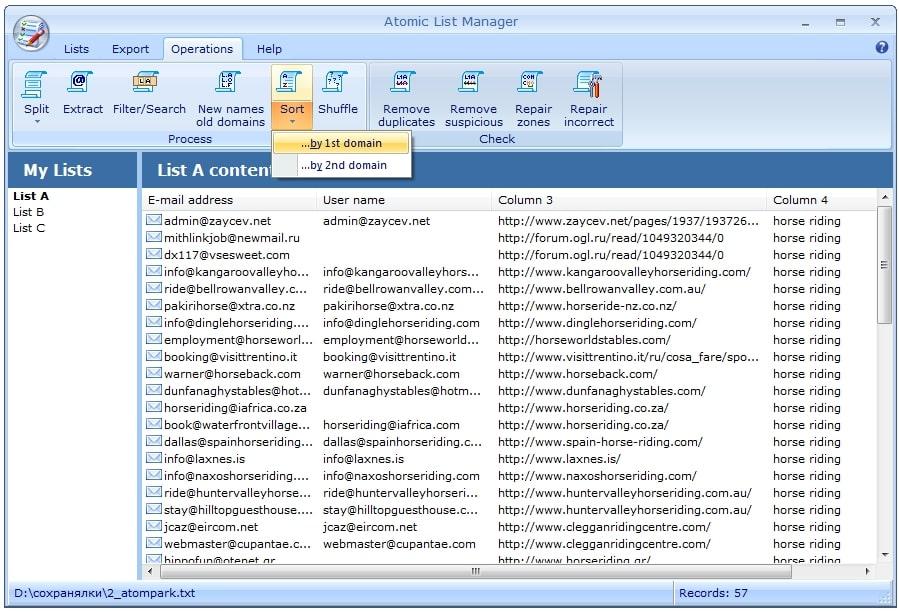
Managing an email list can be a daunting task, but leveraging the right tools and software can simplify the process significantly. Start with email marketing platforms such as Mailchimp or Constant Contact. These platforms offer user-friendly interfaces that allow for easy segmentation, automation, and analytics tracking. Additionally, utilizing list cleaning software like NeverBounce or ZeroBounce ensures that your email addresses are valid and reduces bounce rates, ultimately improving your campaign performance. Here is a quick comparison of some popular email management tools:
| Tool | Features | Best For |
|---|---|---|
| Mailchimp | Segmentation, Analytics, Automation | Beginners and Small Businesses |
| Constant Contact | Email Templates, Event Marketing | Event Organizers |
| NeverBounce | Email Verification, Real-time Clean Up | High-volume Senders |
| ZeroBounce | Data Appending, Email Scoring | Businesses Focused on Quality Leads |
In addition to these primary tools, consider integrating CRM systems like HubSpot or Salesforce, which can maintain customer relations and streamline communication. With these systems, you can segment your audience more effectively, receive detailed insights into customer behavior, and automate follow-up emails tailored to specific segments. Furthermore, utilizing analytics tools such as Google Analytics can provide valuable data on your email campaign performance, helping you to continually improve your strategies. By adopting these technologies, you not only enhance your productivity but also ensure that you are targeting the right audience with the right message.
In Conclusion
As we conclude our exploration of essential tips for effective email list management and cleaning, it’s clear that maintaining a high-quality email list is more than just a marketing task; it’s a pivotal strategy for nurturing relationships and driving engagement with your audience. By implementing the practices outlined in this article, you can ensure your email campaigns not only reach the right people but also resonate with them.
Regularly cleaning your list, segmenting your contacts, and paying attention to metrics will empower you to make informed decisions and enhance your overall email strategy. Remember that a healthy email list is a dynamic entity—one that requires ongoing attention and care.
Whether you’re just starting out or looking to optimize your existing practices, embracing these tips will not only improve your deliverability and open rates but also foster a stronger connection with your subscribers. Ultimately, a well-managed email list is the cornerstone of successful communication, enabling you to deliver value and cultivate loyalty among your audience.
Thank you for joining us in this deep dive into email list management. Stay tuned for more insightful articles aimed at helping you enhance your marketing efforts and achieve your business goals!