

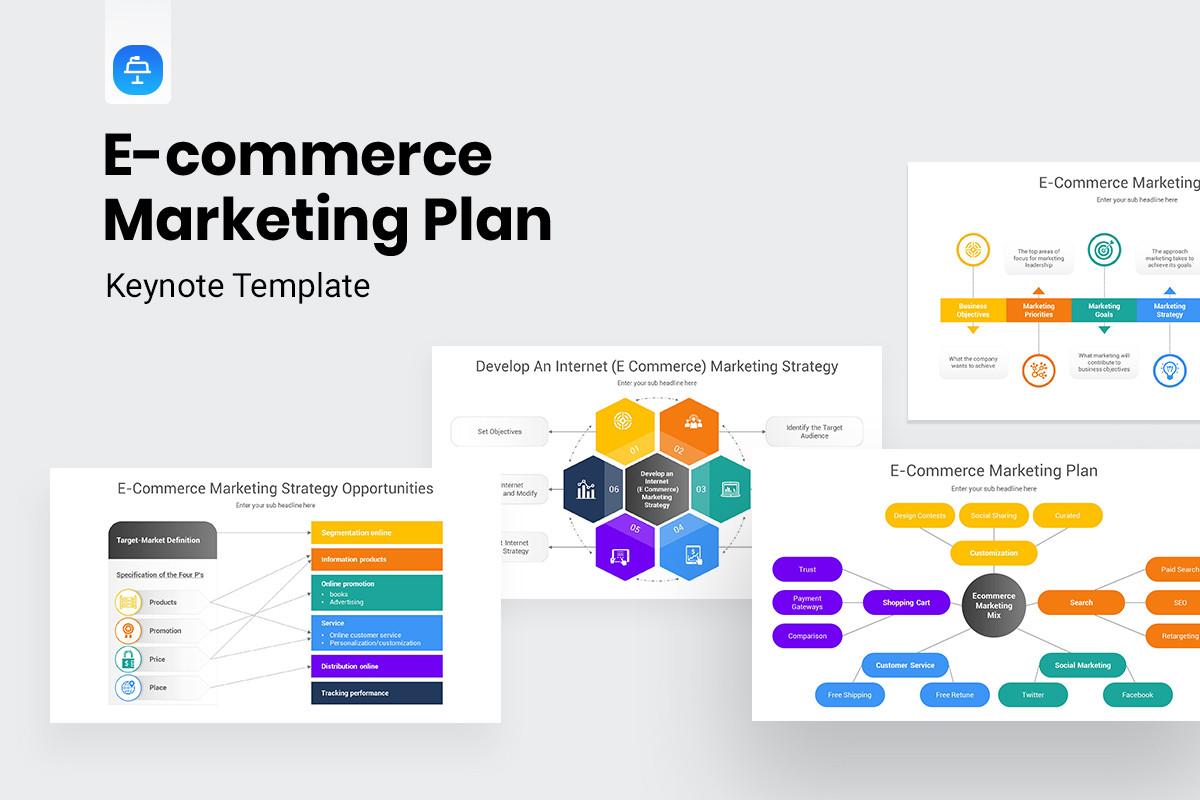
In today’s rapidly evolving digital landscape, the success of an e-commerce business hinges on more than just having quality products or services; it demands a strategic and well-crafted marketing plan. With the rise of online shopping and increasing competition, understanding how to effectively reach and engage your target audience is essential. Whether you’re launching a new online store or looking to refine your existing marketing efforts, a robust e-commerce marketing plan can be the game changer you need. In this article, we will explore the essential steps to crafting a successful e-commerce marketing strategy, equipping you with the tools and insights necessary to drive traffic, boost conversions, and ultimately grow your business. Join us as we delve into the key components that will set your e-commerce venture on the path to success!
Table of Contents
- Identifying Your Target Audience for Maximum Engagement
- Developing a Compelling Value Proposition to Stand Out
- Leveraging Multi-Channel Strategies for Broader Reach
- Measuring Success and Iterating on Your Marketing Efforts
- Insights and Conclusions
Identifying Your Target Audience for Maximum Engagement
Understanding who your potential customers are is crucial for formulating effective marketing strategies that resonate with them. Start by gathering demographic data, such as age, gender, location, and income level. This information lays the groundwork for developing buyer personas—fictional representations of your ideal customers. Craft these personas by incorporating insights from customer surveys, website analytics, and social media interactions. Focus on pinpointing their interests, behaviors, and pain points to tailor your messaging:
- Age group: Identify age brackets to refine product offerings.
- Shopping behavior: Analyze frequency and type of purchases.
- Values and preferences: Understand what influences their buying decisions.
Moreover, leveraging tools like Google Analytics and social media insights can provide deeper understanding and validation of your identified audience segments. Once you’ve established clear customer profiles, segment your marketing campaigns accordingly to enhance engagement rates. This targeted approach helps in creating personalized content, leading to higher conversion rates. Consider using a simple table to visualize how different audience segments respond to various marketing channels:
| Audience Segment | Preferred Channel | Engagement Level |
|---|---|---|
| Millennials | Social Media | High |
| Gen X | Email Marketing | Medium |
| Baby Boomers | Traditional Ads | Low |
Developing a Compelling Value Proposition to Stand Out
In the crowded space of e-commerce, a well-defined value proposition is your beacon, guiding potential customers toward your brand. To differentiate yourself, focus on articulating what makes your offerings unique and beneficial. This involves not only understanding your target audience but also diving deep into your product or service features. Start by exploring and answering these key questions:
- What problems does your product solve?
- What benefits do customers gain by choosing you over competitors?
- How does your brand align with customer values and lifestyle?
Once you have these insights, condense them into a concise statement. A table can help emphasize the key elements that define your unique proposition:
| Feature | Benefit | Competitor Comparison |
|---|---|---|
| Eco-Friendly Packaging | Reduces environmental impact | Not offered by all competitors |
| 24/7 Customer Support | Immediate assistance anytime | Limited availability with others |
| Free Returns | Risk-free shopping experience | Additional costs with many brands |
This structured approach enables you to present a compelling value proposition clearly, making it easier for customers to see why they should choose your business over the competition. By consistently communicating this message across all channels, you create a cohesive brand identity that resonates with your audience and builds trust.
Leveraging Multi-Channel Strategies for Broader Reach
In today’s competitive digital landscape, adopting a multi-channel approach is essential for maximizing your e-commerce marketing efforts. By strategically utilizing various platforms, businesses can engage with diverse audiences and amplify their reach. Effective channels include:
- Social Media: Platforms like Instagram, Facebook, and TikTok allow for visually-driven content that can foster community engagement.
- Email Marketing: Personalized campaigns targeting specific customer segments can drive significant traffic and conversions.
- Content Marketing: Blogs, videos, and infographics can effectively educate and entertain customers while enhancing SEO visibility.
- Marketplace Listings: Leveraging platforms such as Amazon and eBay helps tap into established customer bases and improves product discoverability.
Each channel requires a tailored strategy to resonate with its audience. Organizations should be deliberate in their messaging and branding across platforms to maintain a cohesive identity. This can be supported through:
| Channel | Target Audience | Content Type |
|---|---|---|
| Social Media | Young Adults | Visual & Interactive |
| Retained Customers | Personalized Offers | |
| Blog | Research-Oriented Shoppers | Informative Articles |
| Marketplaces | General Consumers | Product Listings |
By leveraging these multi-channel strategies effectively, e-commerce businesses can not only enhance their visibility but also create a seamless experience that converts visitors into loyal customers. Tailoring your content to each platform will ensure you meet your audience where they are and provide them with meaningful interactions.
Measuring Success and Iterating on Your Marketing Efforts
To effectively measure the success of your marketing strategies, it’s crucial to establish concrete metrics that align with your business goals. Consider tracking indicators such as conversion rates, customer acquisition costs, and return on investment (ROI). These metrics provide valuable insights into how your campaigns are performing. Additionally, utilizing tools such as Google Analytics and social media analytics can help you dissect user engagement and behaviors, allowing for more informed decision-making. To visualize these metrics over time, create a simple dashboard that displays key performance indicators (KPIs) in an easily digestible format.
Once you’ve gathered and analyzed your data, the next step is to iterate on your marketing efforts. This means being open to adjusting your strategies based on real-time feedback and outcomes. Here are a few effective ways to refine your approach:
- A/B Testing: Experiment with different marketing messages and channels to see what resonates best with your audience.
- Customer Feedback: Collect and analyze customer reviews and surveys to identify areas for improvement.
- Content Optimization: Regularly update and optimize your marketing materials, ensuring they align with current trends and consumer preferences.
| Metric | Goal | Current Performance |
|---|---|---|
| Conversion Rate | 5% | 3.5% |
| Customer Acquisition Cost | $20 | $25 |
| Return on Investment | 200% | 150% |
Insights and Conclusions
crafting a successful e-commerce marketing plan is not just a one-time endeavor but an ongoing process that requires dedication, analysis, and flexibility. By following the essential steps we’ve outlined—from understanding your target audience to leveraging the power of analytics—you are setting the foundation for growth and sustainability in today’s competitive digital landscape. Remember, the e-commerce environment is ever-evolving, so always be ready to adapt your strategies to meet changing market demands and consumer behaviors.
As you embark on this journey, keep refining your approach, testing new ideas, and learning from your outcomes. Successful e-commerce marketing is about connecting with your customers, delivering value, and nurturing relationships that turn one-time buyers into loyal advocates. With a robust marketing plan in place, you’ll not only drive traffic to your site but also create a lasting impact that propels your business forward.
Thank you for joining us on this exploration of e-commerce marketing strategies. May your journey toward online success be filled with innovation, growth, and, most importantly, satisfied customers.