

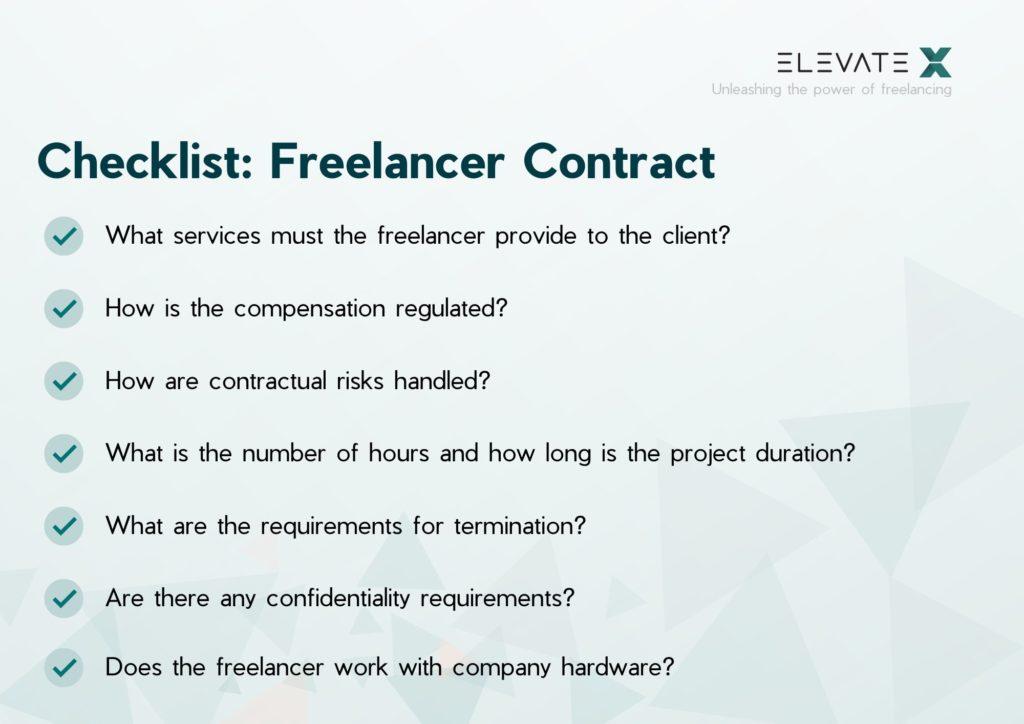
In the dynamic world of freelancing, where creativity meets entrepreneurship, the importance of a well-crafted contract cannot be overstated. A freelance contract serves as the vital foundation for a successful working relationship, safeguarding both the freelancer and the client against misunderstandings and disputes. Yet, despite its significance, many freelancers approach contract creation with uncertainty, unsure of what to include or how to articulate their terms effectively. This article aims to demystify the process of crafting the perfect freelance contract through a step-by-step guide. From defining the scope of work to outlining payment terms and protecting intellectual property, we’ll equip you with the essential tools and insights to draft a contract that not only serves your professional interests but also fosters trust and clarity with your clients. Whether you’re a seasoned freelancer or just starting out, this guide will empower you to navigate the intricacies of contract creation, ensuring that your freelance endeavors are as rewarding and secure as possible.
Table of Contents
- Understanding Essential Contract Elements for Freelancers
- Navigating Payment Terms and Conditions for a Smooth Collaboration
- Incorporating Scope of Work and Deliverables to Avoid Misunderstandings
- Establishing Dispute Resolution and Termination Clauses for Peace of Mind
- Closing Remarks
Understanding Essential Contract Elements for Freelancers
Freelancers often operate in a dynamic environment where clarity is essential for successful collaborations. A well-crafted contract serves not just as a safety net but also as a roadmap for the working relationship. Certain essential elements must be included to ensure both parties have a clear understanding of their obligations and expectations. Key components include:
- Scope of Work: Clearly define the tasks and deliverables expected from the freelancer.
- Payment Terms: Specify the payment amount, schedule, and method to avoid any disputes.
- Deadlines: Establish clear timelines for project milestones and final delivery.
- Ownership Rights: Clarify who holds the intellectual property rights of the work produced.
- Confidentiality Clauses: Protect sensitive information shared between parties.
Including these elements helps in preventing misunderstandings. Another vital aspect is outlining the termination conditions — specifying how and when a contract can be ended. Additionally, consider having a section on dispute resolution that outlines mechanisms for addressing any disagreements that may arise. Presenting this information in a clear and organized manner can be enhanced using a simple table:
| Key Element | Description |
|---|---|
| Scope of Work | Detail the specific tasks required. |
| Payment Terms | Outline amounts, methods, and schedules for payment. |
| Deadlines | Set timelines for deliverables and checking points. |
| Ownership Rights | Define intellectual property ownership of work produced. |
| Confidentiality Clauses | Ensure protection of sensitive information. |
Navigating Payment Terms and Conditions for a Smooth Collaboration
Understanding payment terms and conditions is essential for freelancers and clients alike, as it sets the stage for a successful project from the outset. Having clear terms fosters trust and transparency, ensuring both parties are aligned. Here are several key factors to consider:
- Payment Method: Specify whether payments will be made via bank transfer, PayPal, or other platforms.
- Invoice Schedule: Determine how often you’ll send invoices—weekly, bi-weekly, or monthly.
- Deposit Requirement: Decide if a deposit is needed before work begins, which can mitigate the risk for both parties.
- Late Payment Fees: Define the consequences of delayed payments to encourage promptness.
Additionally, it’s vital to outline the scope of work in relation to payment terms. Each task or deliverable can have associated costs, ensuring clarity on what is included in the payment structure. A potential format for presenting payment milestones could be:
| Milestone | Deliverable | Payment Due |
|---|---|---|
| Initial Setup | Project Proposal | 30% upon approval |
| Phase One | First Draft | 40% upon delivery |
| Finalization | Final Content | 30% upon completion |
Incorporating Scope of Work and Deliverables to Avoid Misunderstandings
Clearly defining the scope of work and deliverables is essential for successful freelance projects. This detailed outline serves as a roadmap for both you and your client, ensuring alignment on expectations and outcomes. To avoid misunderstandings, consider including the following elements in your contract:
- Project Description: A concise statement detailing what the project entails.
- Deliverables List: A specific list of all tangible outputs, including drafts, revisions, and final products.
- Deadlines: Clear timelines for each deliverable to maintain accountability.
- Revisions Policy: Information on how many revisions are included and the process for requesting changes.
Using a detailed table can further clarify expectations, providing a visual reference for both parties. Below is a simple table layout to help structure this important information.
| Deliverable | Due Date | Revisions Allowed |
|---|---|---|
| Initial Concept | Week 1 | 2 |
| Draft Version | Week 2 | 1 |
| Final Submission | Week 3 | 0 |
By incorporating these details into your contract, you pave the way for smoother communication and enhance the likelihood of a successful collaboration. When both parties have a clear understanding of what is expected, it not only builds trust but significantly reduces the chances of disputes arising during the project lifecycle.
Establishing Dispute Resolution and Termination Clauses for Peace of Mind
In the unpredictable world of freelance work, having clear dispute resolution and termination clauses in your contract is essential for maintaining a healthy relationship with your clients. These clauses act as a safety net, detailing the steps that both parties should follow in the event of a disagreement. Consider incorporating the following elements:
- Negotiation Steps: Define a clear process for negotiation before legal action is considered.
- Mediation or Arbitration: Specify whether disputes should be resolved through mediation or binding arbitration, and outline the chosen method.
- Termination Triggers: Identify circumstances under which either party can terminate the contract, such as non-payment or breach of terms.
Additionally, establishing a termination clause gives both freelancers and clients a way out if the partnership turns sour. It can include a notice period that allows both parties to prepare for the transition. Here’s a simple table to illustrate the recommended components of a termination clause:
| Component | Description |
|---|---|
| Notice Period | Define how much advance notice is required before termination. |
| Final Deliverables | Outline expectations for final work products upon termination. |
| Payment Terms | Clarify what payments are due upon termination of the contract. |
Closing Remarks
As we draw the curtain on our exploration of crafting the perfect freelance contract, it’s clear that this vital document serves as more than just a formality—it is the backbone of a successful freelance relationship. By taking the time to meticulously outline the terms, expectations, and protections for both parties, you empower yourself as a freelancer and build a foundation of trust and professionalism with your clients. Remember, a well-structured contract not only mitigates potential conflicts but also establishes a mutual understanding that allows creativity and collaboration to flourish.
So arm yourself with the knowledge and tools outlined in this guide, and step confidently into your next freelance venture. Whether you’re celebrating your first project or refining your approach for seasoned clients, each contract is an opportunity to set the tone for a fruitful partnership. Happy freelancing!