

Introduction:
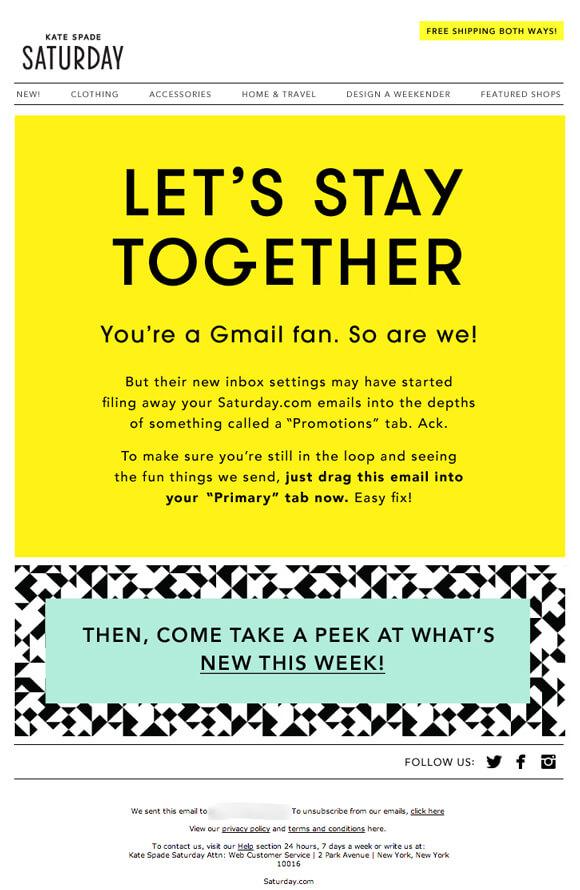
In today’s fast-paced digital landscape, maintaining customer engagement is more crucial than ever. With the average consumer inundated with countless emails daily, it can be challenging for brands to stand out and hold their audience’s attention. Enter re-engagement email campaigns—the powerful tool that can revive a waning connection with your audience. In this article, we will delve into the art and science of crafting compelling re-engagement emails that resonate, inspire action, and ultimately drive conversions. Whether you’re looking to breathe new life into a dormant subscriber list or rekindle relationships with lapsed customers, understanding the nuances of effective re-engagement strategies can significantly transform your email marketing efforts. Join us as we explore best practices, innovative examples, and key insights to help you create email campaigns that not only capture attention but also foster lasting loyalty.
Table of Contents
- Understanding Your Audience for Effective Re-engagement Emails
- Creating Engaging Content That Captivates and Reinvigorates
- Leveraging Data Analytics to Optimize Email Performance
- Best Practices for Timing and Frequency in Re-engagement Campaigns
- Closing Remarks
Understanding Your Audience for Effective Re-engagement Emails
To create an effective re-engagement email, it’s crucial to dive deep into the psyche of your audience. Understanding their behaviors, preferences, and pain points can significantly enhance the likelihood of rekindling their interest. Start by segmenting your audience based on their past interactions with your brand. Consider the following factors:
- Engagement Level: Identify users who have interacted with your emails, website, or social media in the past.
- Purchase History: Analyze past buying behavior to tailor your message accordingly.
- Feedback & Surveys: Utilize past feedback to understand their needs and preferences.
Additionally, leveraging analytics tools can provide insights into the timing and content that resonates most with your audience. Look for patterns in open rates and click-through rates to determine the optimal elements for your campaigns. For example, an analysis might reveal that a segment of your audience responds positively to promotional discounts, while another group prefers educational content. Understanding these nuances allows you to craft targeted messages, enhancing the connection and increasing the likelihood of engagement.
| Audience Segment | Preferred Content Type | Best Send Time |
|---|---|---|
| New Subscribers | Welcome Offers | Morning |
| Lapsed Customers | Exclusive Promotions | Afternoon |
| Active Users | Educational Content | Evening |
Creating Engaging Content That Captivates and Reinvigorates
When crafting re-engagement email campaigns, the key is to focus on creating content that resonates with your audience’s interests and motivations. Start by segmenting your audience based on previous interactions, preferences, and demographics. This strategy allows you to tailor your messaging more effectively, ensuring that recipients feel personally addressed. Consider incorporating the following elements into your emails:
- Personalization: Use the recipient’s name and customize content based on their past behaviors.
- Compelling visuals: Engaging images and graphics can significantly enhance your message.
- Clear call-to-action: Guide recipients towards the desired action, whether it’s making a purchase or signing up for a webinar.
Additionally, storytelling can play a powerful role in revitalizing interest. Share success stories or testimonials from satisfied customers to foster a sense of community and trust. It’s also effective to present exclusive offers or sneak peeks of upcoming products that cater specifically to your audience’s tastes. The following table outlines potential email content categories and their corresponding benefits:
| Content Category | Benefit |
|---|---|
| Success Stories | Builds credibility and encourages engagement. |
| Exclusive Promotions | Creates urgency and motivation to act. |
| Personalized Recommendations | Enhances relevance, boosting click-through rates. |
Leveraging Data Analytics to Optimize Email Performance
To elevate your email performance, harnessing the power of data analytics is paramount. By analyzing engagement metrics, such as open rates and click-through rates, brands can identify which elements resonate with their audience. Key data points to focus on include:
- Demographic Insights: Understanding your audience’s age, location, and interests can tailor content effectively.
- User Behavior: Track previous interactions to anticipate future engagement patterns.
- Subject Line Performance: A/B test various subject lines to gauge what captures attention most.
Additionally, effective segmentation of your email list allows for targeted messaging that feels personal and relevant to recipients. For instance, you might divide your audience based on previous purchase behavior or time since last engagement. This approach not only improves open rates but also increases conversion potential. Below is a simplified example of a segmentation strategy:
| Segment | Engagement Activity | Email Content Focus |
|---|---|---|
| Active Customers | Purchased in last 30 days | Exclusive offers and loyalty rewards |
| At-Risk Customers | No purchase in last 90 days | Re-engagement campaigns with discount incentives |
| New Subscribers | Signed up within the last month | Welcome series and introductory offers |
Best Practices for Timing and Frequency in Re-engagement Campaigns
Timing is crucial in any marketing strategy, and re-engagement campaigns are no exception. To effectively rekindle interest, consider the following optimal timing strategies:
- Segmentation: Analyze user behavior to segment your audience based on their interaction history with your brand.
- Trigger Events: Launch campaigns following specific events, such as user inactivity for a defined period (e.g., 30, 60, or 90 days).
- Day and Time: Test different days and times for sending emails, often mid-week mornings have shown higher engagement rates.
The frequency of your re-engagement emails can significantly affect user perception and behavior. You want to strike a balance between staying top-of-mind and overwhelming your audience. Here are some recommended frequency guidelines:
| Time Since Last Interaction | Recommended Frequency |
|---|---|
| 1-30 Days | Weekly Emails |
| 31-60 Days | Bi-Weekly Emails |
| 61+ Days | Monthly Emails |
Always prioritize personalization and valuable content in each communication, ensuring that your message resonates with the recipient’s interests and needs. Consider implementing a gradual re-engagement strategy that tailors the frequency based on user responses.
Closing Remarks
crafting compelling re-engagement email campaigns is not just about reigniting interest; it’s about building lasting relationships with your audience. By fine-tuning your messaging, personalizing interactions, and offering genuine value, you can transform passive subscribers into active participants in your brand’s journey. As you embark on designing your next campaign, remember that every email is an opportunity to connect, to inform, and to inspire. Continuously analyze the results and stay attuned to your audience’s evolving preferences, because the most successful campaigns are ever-adaptive. So go ahead, reignite those connections and watch as your email strategy breathes new life into your customer relationships. Happy sending!