

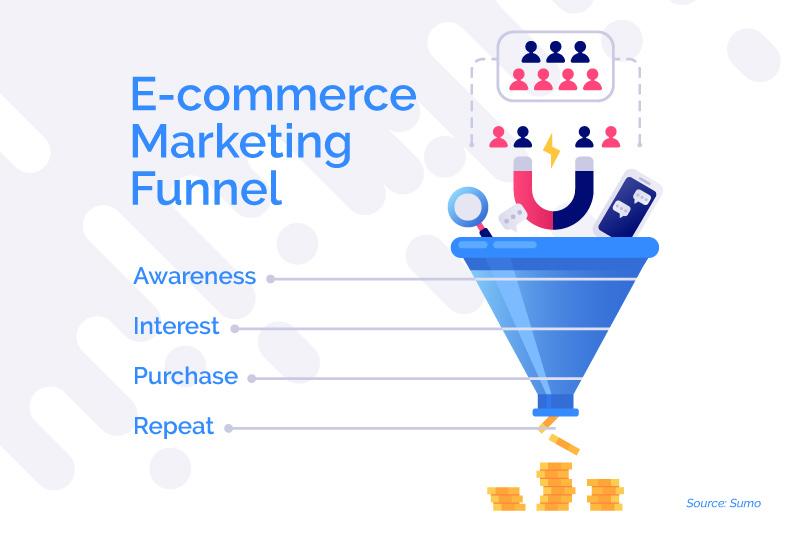
In the rapidly evolving world of e-commerce, standing out among the multitude of online shops can be a daunting task. With countless brands vying for consumers’ attention, effective marketing strategies are essential to driving sales and fostering customer loyalty. One tool that continues to prove its worth in the digital marketplace is email marketing. As one of the most cost-effective channels available, email marketing not only helps businesses retain existing customers but also attracts new ones with carefully crafted messages tailored to their needs and preferences. In this article, we will explore key email marketing strategies that can elevate your e-commerce sales, from segmenting your audience and crafting compelling content to optimizing send times and leveraging automation. Whether you’re a seasoned marketer or just starting out, mastering these strategies will help you create impactful email campaigns that engage customers and drive conversions. Let’s dive into the art and science of email marketing to unlock your e-commerce potential!
Table of Contents
- Understanding Your Audience: Segmentation and Personalization Techniques
- Crafting Compelling Content: The Art of Persuasive Email Copy
- Timing Is Everything: Optimal Scheduling for Maximum Engagement
- Measuring Success: Analyzing Metrics and A/B Testing for Continuous Improvement
- The Way Forward
Understanding Your Audience: Segmentation and Personalization Techniques
To effectively engage your customers, it’s crucial to break them down into specific segments based on their behaviors, interests, and demographic information. Segmentation allows you to tailor your messaging and offerings, ensuring that your emails resonate with the right audience. Consider implementing criteria such as:
- Purchase history: Identify previous buying patterns to predict future purchases.
- Demographics: Use age, gender, location, and other factors to refine your target groups.
- Engagement level: Differentiate between active customers, occasional buyers, and those who haven’t interacted in a long time.
Once you’ve established your segments, personalization takes your email marketing to the next level, making each recipient feel valued and understood. Personalization can include dynamic content tailored to individual preferences, or even simple touches like including the recipient’s name in the subject line. Here are some effective personalization strategies to consider:
- Product recommendations: Suggest items based on previous purchases or browsing history.
- Localized promotions: Offer deals that cater to the specific location of your customers.
- Trigger emails: Automate emails that respond to customer actions, like abandoned carts or product reviews.
Crafting Compelling Content: The Art of Persuasive Email Copy
Mastering the art of persuasive email copy is essential in transforming casual browsers into loyal customers. To achieve this, focus on personalization. Using the recipient’s name, segmenting your audience, and tailoring content to their behavior can significantly increase engagement. Additionally, create a sense of urgency by incorporating phrases like “limited time offer” or “exclusive access”. This taps into the reader’s fear of missing out (FOMO), prompting quicker decision-making. Strive for clarity and directness, ensuring that the main message stands out while subtle calls to action are woven naturally throughout the text.
Moreover, the visual appeal of your emails can’t be underestimated. Utilize engaging headlines and appealing images that resonate with your brand. Incorporate bullet points to highlight key benefits or features, making the content easier to digest. Consider the following table to capture effective email elements:
| Email Element | Purpose |
|---|---|
| Subject Line | Grab attention and encourage opens |
| Preheader Text | Provide a preview of the email content |
| Call to Action (CTA) | Guide the reader towards the desired action |
| Social Proof | Build trust and credibility |
With these strategies in mind, you can craft email campaigns that not only inform but also persuade your audience to take meaningful action, ultimately boosting your e-commerce sales. Remember, every word counts, so invest time in refining your messages for maximum impact.
Timing Is Everything: Optimal Scheduling for Maximum Engagement
Understanding the peak times when your audience is most likely to engage with your emails is essential for driving sales. The effectiveness of your email campaigns can significantly improve by sending messages at optimal hours. Research shows that weekdays, particularly Tuesday through Thursday, see higher open rates and engagement compared to Mondays or weekends. By analyzing your target audience’s behavior and historical data, you can identify key time slots that maximize attention. Consider the following factors:
- Time Zone Awareness: Always account for different time zones to ensure your emails hit inboxes at ideal local times.
- Audience Demographics: Younger audiences may check emails later in the day, whereas professionals often prefer morning communications.
- Special Events: Align your emails with holidays, product launches, or promotional events that matter to your audience.
To assist in determining these optimal sending times, you can develop a simple tracking table that logs your campaigns’ performance metrics. This table will help visualize engagement and refine future strategies:
| Email Campaign | Date Sent | Open Rate (%) | Click Rate (%) |
|---|---|---|---|
| Spring Sale | March 10 | 25 | 15 |
| Summer Launch | June 15 | 30 | 20 |
| Fall Clearance | September 20 | 28 | 18 |
By continuously analyzing this data and adjusting your sending times accordingly, you’ll develop a pattern that not only enhances engagement but also fosters a loyal customer base. Remember, the key to optimal scheduling is a constant cycle of testing and refining.
Measuring Success: Analyzing Metrics and A/B Testing for Continuous Improvement
To optimize your email marketing strategies for e-commerce, it is essential to measure success through a comprehensive analysis of metrics. Tracking key performance indicators (KPIs) such as open rates, click-through rates (CTR), conversion rates, and unsubscribe rates will provide valuable insights into customer engagement and campaign effectiveness. Utilize tools like Google Analytics and email marketing platforms that offer advanced reporting features to monitor these metrics closely. The data collected can help you identify trends, allowing you to understand which content resonates best with your audience and adjust your tactics accordingly.
A/B testing serves as a powerful method for continuous improvement in your email campaigns. By experimenting with different components of your emails, such as subject lines, call-to-action buttons, and design templates, you can determine which variations drive better engagement and sales. Implement a systematic approach to testing by creating two versions of your email and analyzing the responses from your audience. Here’s a simple table to illustrate an example of A/B testing components:
| Component | Variation A | Variation B |
|---|---|---|
| Subject Line | Exclusive 20% Off Just for You! | Don’t Miss Out on 20% Savings! |
| CTA Button Text | Shop Now | Grab Your Discount |
| Email Layout | Single Column | Multi-Column |
By documenting and analyzing the results of these tests, you can fine-tune your strategy for maximum impact. Continuous testing and adaptation are crucial for staying relevant and effective in the competitive e-commerce sector, enabling you to enhance your customers’ experience and ultimately drive sales growth.
The Way Forward
mastering email marketing strategies is an indispensable element of a successful e-commerce business. As we’ve explored, effective email campaigns can not only nurture customer relationships but also convert leads into loyal buyers, ultimately driving sales and increasing your bottom line. By segmenting your audience, personalizing content, and leveraging automation, you can craft targeted messages that resonate with your customers, leading to engagement and repeat purchases.
As you implement these strategies, remember that the landscape of email marketing is ever-evolving. Staying informed about the latest trends, tools, and best practices is essential to maintaining a competitive edge in the e-commerce space. By continually refining your approach and analyzing the results, you can adapt and optimize your campaigns, ensuring that they meet the changing needs of your audience.
Start harnessing the power of email marketing today, and watch your e-commerce sales soar. With dedication, creativity, and a keen understanding of your customers, you’ll be well on your way to becoming an email marketing master. Thank you for reading, and good luck on your journey to e-commerce success!